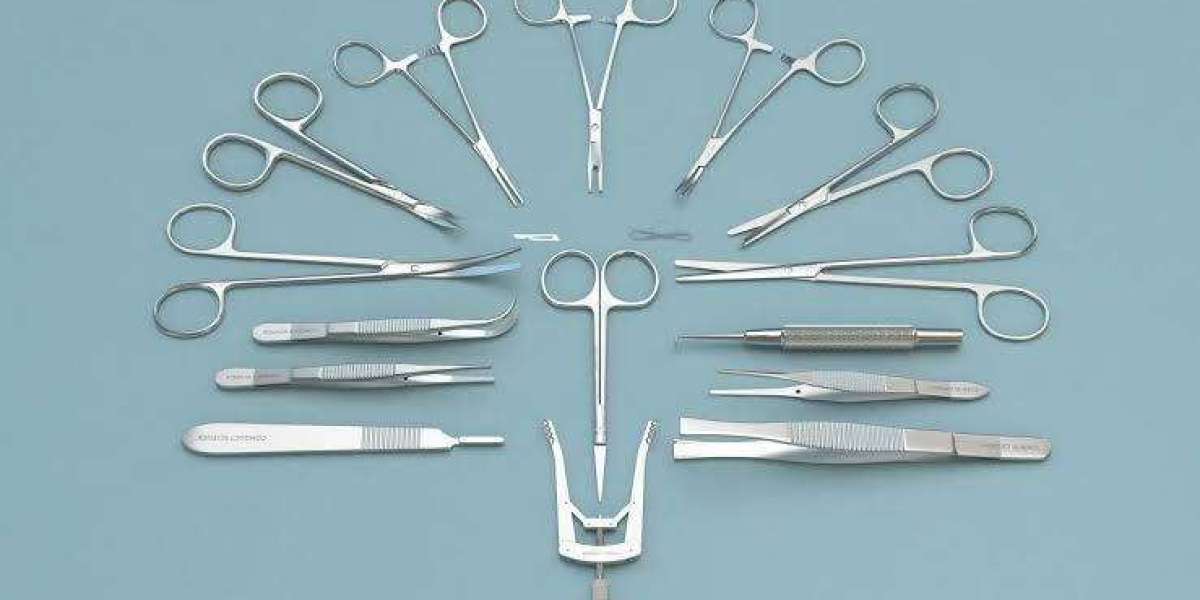

Finding a reliable surgical instruments manufacturer in Sialkot is important for hospitals, medical distributors, clinics, and healthcare businesses looking for quality medical instruments. Sialkot is widely recognized for its surgical instrument manufacturing industry, with manufacturers producing a broad range of general surgery, dental, orthopedic, and specialty instruments for local and international markets.
Why Is Sialkot Known for Surgical Instrument Manufacturing?
Sialkot has a long-established tradition of metalworking and precision instrument production. Over time, its manufacturing industry has developed to serve healthcare professionals, medical suppliers, and international distributors.
Several factors contribute to the city's reputation:
Experienced instrument makers and skilled workers
Specialized manufacturing facilities
A wide range of surgical and dental products
Local and international supply networks
Custom manufacturing and private-label opportunities
Manufacturers in the city serve different market segments, from standard medical instruments to specialized products made according to customer specifications.
Types of Surgical Instruments Manufactured in Sialkot
Manufacturers in Sialkot produce instruments for different medical specialties. Product availability varies by company and manufacturing capability.
1. General Surgery Instruments
General surgery instruments are used in a wide range of medical procedures. Common products include:
Surgical scissors
Artery forceps
Tissue forceps
Needle holders
Retractors
Scalpel handles
Hemostatic clamps
These instruments are available in different sizes and designs depending on their intended applications.
2. Dental Instruments
Dental instruments are used for examination, cleaning, restorative procedures, and oral surgery.
Common examples include dental mirrors, explorers, scalers, extraction forceps, elevators, and periodontal instruments.
3. Orthopedic Instruments
Orthopedic instruments are designed for procedures involving bones and joints. This category may include bone cutters, chisels, mallets, retractors, and specialized forceps.
4. ENT Instruments
Ear, nose, and throat specialists use dedicated instruments for examinations and procedures. Examples include nasal speculums, ear forceps, and other specialty-specific tools.
5. Gynecology Instruments
Manufacturers also produce instruments for gynecological examinations and surgical procedures, including speculums and specialized forceps.
How Surgical Instruments Are Manufactured
Producing a surgical instrument requires precision at different stages. The exact manufacturing process depends on the product design and material.
Material Selection
Manufacturers select suitable raw materials according to the instrument's intended use. Stainless steel is commonly used for reusable surgical instruments because of its mechanical properties and corrosion resistance.
Forging and Shaping
Depending on the design, metal components may be forged or machined into the required shape. This stage helps establish the instrument's basic structure.
Grinding and Finishing
The instrument is shaped, ground, polished, and finished according to its specifications. Moving components and working edges require particular attention.
Assembly and Inspection
Where an instrument contains multiple components, they are assembled and checked for alignment, movement, and functionality.
Cleaning and Packaging
Finished instruments undergo appropriate cleaning and packaging processes. Requirements vary depending on whether products are supplied as reusable, non-sterile, or sterile instruments.
What to Check When Choosing a Surgical Instrument Manufacturer
Selecting a manufacturer requires careful evaluation, especially for hospitals, distributors, and bulk purchasers.
Product Range
Check whether the manufacturer produces the specific instrument categories you need. Some companies specialize in general surgery, while others offer dental, orthopedic, veterinary, or specialty products.
Material Specifications
Ask about the stainless steel grade, material specifications, and intended use of the instrument. Product documentation can help buyers evaluate whether an instrument meets their requirements.
Quality Management
Review the manufacturer's quality management system and request relevant certificates or documentation. Confirm that any certification applies to the facility and products being purchased.
Manufacturing Capability
For large orders, ask about production capacity, minimum order quantities, customization options, and expected delivery schedules.
Samples and Product Inspection
Where possible, review product samples before placing a large order. Check finishing, alignment, movement, dimensions, and other relevant specifications.
OEM and Private Label Manufacturing in Sialkot
Some surgical instrument manufacturers offer OEM and private-label services. These services allow distributors and medical brands to purchase products manufactured according to agreed specifications and sell them under their own branding.
Depending on the manufacturer, customization may include:
Logo engraving
Custom instrument dimensions
Product finishing
Special packaging
Branded product sets
Custom manufacturing based on drawings or samples
Before starting an OEM order, buyers should approve product specifications, samples, packaging details, and quality requirements.
Surgical Instrument Manufacturers for International Buyers
Sialkot manufacturers serve both domestic and international customers. Export-oriented businesses may supply distributors, medical equipment companies, hospitals, and healthcare brands.
International buyers should check the following before placing an order:
Product catalogue and technical specifications
Relevant quality and regulatory documentation
Export experience and destination requirements
Minimum order quantities
Sample availability
Packaging and shipping arrangements
Payment terms and production lead times
Import requirements differ between countries, so buyers should confirm applicable regulations before ordering.
Factors That Affect Surgical Instrument Prices
Surgical instrument prices are not the same for every product. Several factors can influence the final quotation.
Material: The selected steel grade and material specifications can affect cost.
Design: Complex instruments may require more specialized manufacturing.
Finishing: Polishing, coating, and additional finishing requirements can change pricing.
Quantity: Bulk orders may have different unit prices from small purchases.
Customization: Special dimensions, engraving, and private-label packaging may involve additional costs.
Documentation: Specific testing and compliance requirements may affect the overall quotation.
Buyers should compare products with matching specifications rather than choosing a manufacturer based only on the lowest price.
Frequently Asked Questions
Why is Sialkot famous for surgical instruments?
Sialkot has a long history of precision metalworking and surgical instrument production. Its manufacturing industry supplies a wide range of medical instruments to domestic and international markets.
What types of surgical instruments are manufactured in Sialkot?
Common categories include general surgery, dental, orthopedic, ENT, gynecology, and veterinary instruments. The available range depends on each manufacturer's specialization.
Do Sialkot manufacturers offer custom surgical instruments?
Some manufacturers provide custom production based on drawings, samples, dimensions, and other customer specifications. Buyers should confirm customization capabilities directly.
Can I order surgical instruments in bulk?
Many manufacturers handle bulk orders for distributors, hospitals, and medical equipment businesses. Minimum quantities and production schedules vary.
Do surgical instrument manufacturers provide OEM services?
Some manufacturers offer OEM and private-label services, including logo engraving and customized packaging. Confirm the available options before placing an order.
What should international buyers check before ordering?
International buyers should review product specifications, quality documentation, export arrangements, applicable regulations, payment terms, and shipping details.
Conclusion
Sialkot remains an important centre for surgical instrument manufacturing, offering a wide range of products for healthcare professionals, distributors, and medical businesses. Choosing the right manufacturer involves checking product specifications, material quality, manufacturing capabilities, documentation, and after-sales support. Careful evaluation and comparison can help buyers establish reliable sourcing relationships for their medical instrument requirements.
For more informative articles, industry guides, and useful resources, visit AdriaCircle.