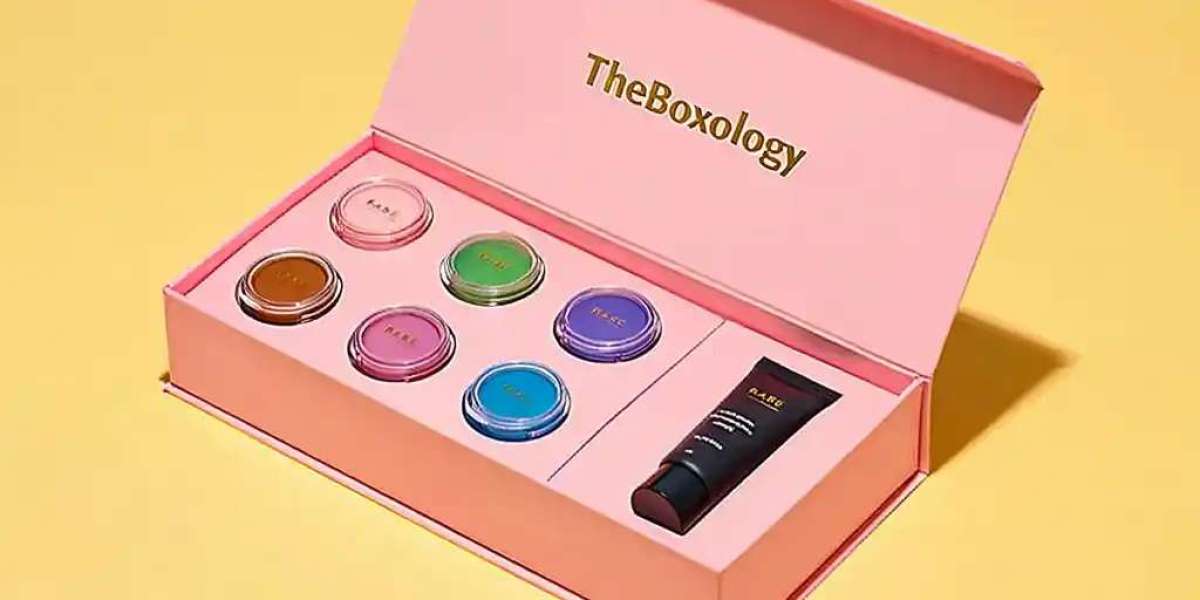

Buying makeup involves a particular kind of uncertainty. Shoppers want to know whether a shade will suit them, whether the finish will look the way they imagine, whether the product is genuine, and whether it's worth the price. They often can't test it first, especially online. So they look for clues, and the box is one of the main places they find them.
At The Boxology.US, we design makeup boxes with these questions in mind. Here's how makeup boxes influence buying decisions, what cues matter most, and how to make choices easier for customers without misleading them.
The Makeup Shopper's Main Questions
Most makeup purchases involve a few unspoken questions:
- Will this suit me? (shade, undertone, finish)
- What will it look and feel like? (texture, coverage, shine)
- Can I trust it? (genuine, sealed, safe)
- Is it worth the price?
- Is it right for the occasion? (everyday, special event, gift)
Packaging can help answer each of them. The effect of any single cue varies by shopper, culture, and product, so treat these as common patterns rather than guarantees.
Cue One: Shade Clarity
Why It Matters
Shade is often the biggest barrier to buying. If shoppers can't quickly tell which shade is which, or can't judge whether it suits them, many will hesitate or leave.
What Helps
- A clear shade name and number in a consistent place on every box
- A printed swatch or color indicator that matches the product as closely as printing allows
- A visible window or open tray that shows the actual product where suitable
- Consistent systems across the range, so customers learn where to look
Watch Out For
Printed colors may not match the real product exactly. If a swatch is shown, state that it's an approximation where appropriate, and encourage customers to check shade guides or swatches on your website.
Cue Two: Finish and Texture Expectations
Why It Matters
Matte, satin, shimmer, glossy, and cream all suggest very different experiences. Shoppers use the box to imagine how a product will look and feel on their skin.
What Helps
- Clear finish labels such as "matte" or "shimmer"
- Design cues that echo the finish, such as a soft matte coating for a matte product, or a subtle metallic accent for a shimmer product
- Simple icons or descriptors that make finish easy to scan
Watch Out For
Don't promise results the product can't deliver. Avoid exaggerated imagery that suggests effects beyond what a typical customer will see.
Cue Three: Authenticity, Safety, and Hygiene
Why It Matters
Makeup goes on the face, and many shoppers care about whether a product is genuine, sealed, and clean. Counterfeits and tampering are concerns, particularly for online purchases.
What Helps
- Tamper-evident seals or shrink bands that signal the product hasn't been opened
- Clean, high-quality printing and construction, since poor print can raise suspicion
- Clear, accurate labeling with required information
- Consistent branding that matches your website and official channels
Watch Out For
Only use terms such as "dermatologist-tested," "hypoallergenic," or "safe for sensitive skin" if you can support them and they're permitted. Labeling and claims requirements vary by region.
Cue Four: Value and Fill Perception
Why It Matters
Shoppers judge value by comparing what they pay with what they see. A box that looks large but holds a small product can feel misleading, while a thoughtfully sized box feels honest.
What Helps
- Right-sized packaging that fits the product without excess space
- Clear information on size or quantity, such as weight, volume, or number of shades
- Sets and palettes presented neatly, so customers can see what they get
Watch Out For
Oversized boxes with lots of empty space can lead to disappointment and may attract criticism.
Cue Five: Occasion and Gifting
Why It Matters
Makeup is often bought as a gift or for a special occasion. Packaging helps shoppers imagine giving or using the product.
What Helps
- Gift-ready presentation, such as an attractive box, ribbon, or window
- Sets and collections that make choosing easy
- Seasonal or limited-edition designs that signal something special
Cue Six: Premium or Everyday Positioning
Why It Matters
Shoppers use packaging to sense whether a product is a luxury treat, a trusted everyday item, or a trend-led buy. The right signal helps customers find what fits their needs and budget.
What Helps
- Finishes and structure that match the price tier
- Consistent, confident design
- Clear, honest wording that matches the product's position
Cue Seven: Social Proof and the Online Context
Why It Matters
Many makeup purchases are influenced by reviews, creator posts, and photos. Packaging appears in these images and becomes part of how customers recognize and remember products.
What Helps
- A distinctive, photogenic design that's easy to spot in a post
- A clear logo that reads at small sizes
- A satisfying unboxing that gives people something to share
Where creators receive free products, ensure that advertising and disclosure rules are followed.
Impulse Purchases vs. Considered Purchases
Impulse Settings
In a drugstore aisle or at a checkout counter, shoppers decide quickly. Bold color, clear naming, and an appealing look matter most.
Considered Settings
Online or in specialist stores, shoppers read more and compare. Clear information, shade guidance, and trust signals matter more.
Understanding which setting your product is mainly sold in helps you decide where to put your effort.
Reducing Buying Friction, Honestly
Good packaging makes choosing easier. It doesn't trick customers into buying. Some practical ways:
- Make the shade easy to find and understand
- Use clear, accurate descriptions
- Show the product when you can
- Make safety and authenticity visible
- Be honest about what the product does
- Point to extra help, such as a shade guide on your website via a QR code
Honest packaging reduces returns and builds loyalty.
When Makeup Boxes Can Hurt a Sale
- Confusing or inconsistent shade labeling
- Colors that look very different from the product
- Overpromising claims
- Cheap-looking printing or construction
- Oversized packaging
- Hard-to-open boxes that damage the product
Practical Steps for Brands
- Test with real shoppers. Ask what they notice first, how they'd find their shade, and what would make them trust the product.
- Compare against competitors on a shelf or screen.
- Review printed samples in different lighting.
- Check labeling requirements for each market.
- Collect feedback from reviews and returns.
A Quick Makeup Buying-Decision Checklist
- ☐ Shade name and number are easy to find
- ☐ Finish is clearly communicated
- ☐ Seals and print quality signal authenticity
- ☐ Packaging size feels honest
- ☐ Gifting and occasion cues are considered
- ☐ Positioning matches price and finish
- ☐ Design is photogenic and recognizable
- ☐ Claims are accurate and permitted
- ☐ Tested with real shoppers
How The Boxology.US Helps Makeup Brands Design for Decisions
At The Boxology.US, we help makeup brands create boxes that communicate clearly and build trust. Our services include:
- Custom sizes and structures for palettes, lipsticks, compacts, and sets
- Window and open-tray options for showing the product
- Printing, foil, embossing, and soft-touch finishes
- Space for shade systems, labeling, and QR codes
- Free 3D mockups and physical samples before production
- Low minimum order quantities for growing beauty brands
Note: Cosmetic labeling, ingredient disclosure, advertising, and claims requirements vary by region and product type. Always confirm current requirements with a qualified regulatory advisor before finalizing packaging for your market.
Makeup boxes don't make the decision for the customer, but they provide the clues customers rely on. When those clues are clear, honest, and well designed, shoppers can choose with more confidence, and are more likely to be happy with what they bought.
Ready to design makeup boxes that help customers choose? Get a free quote from The Boxology.US today and start building packaging that builds trust at a glance.