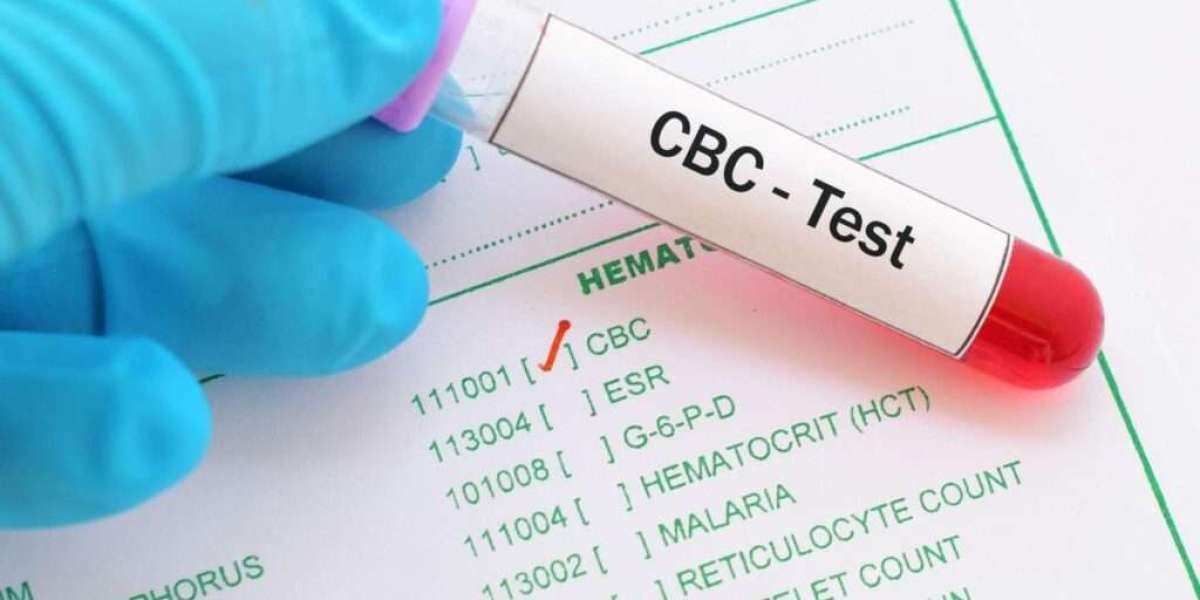

A routine blood test can provide valuable information about different parts of the body. One commonly recommended investigation is a CBC blood test in lahore, which measures the levels and characteristics of different blood cells. Doctors often use this test to support general health assessments and investigate symptoms that may require further evaluation.
What Is a CBC Blood Test?
CBC stands for Complete Blood Count. It is a laboratory test that evaluates three major types of blood cells:
Red blood cells
White blood cells
Platelets
Each type performs a different function. Red blood cells carry oxygen, white blood cells help the body fight infections, and platelets support normal blood clotting.
A CBC report provides measurements that help healthcare professionals assess these blood components.
Why Do Doctors Recommend a CBC Test?
A doctor may recommend a CBC test for several reasons, including routine health assessments and investigation of certain symptoms.
Common reasons include:
Persistent tiredness or weakness
Unexplained fever
Frequent infections
Unusual bruising or bleeding
Monitoring certain medical conditions
Checking how the body responds to treatment
The test does not diagnose every condition on its own. Its findings are considered alongside symptoms, medical history, and other investigations.
What Does a CBC Test Measure?
A complete blood count includes several important measurements that provide information about blood health.
Red Blood Cell Count
Red blood cells carry oxygen from the lungs to different parts of the body. Their number and characteristics can help doctors investigate conditions such as anemia.
Hemoglobin
Hemoglobin is a protein inside red blood cells that carries oxygen. A low hemoglobin level may require further evaluation to identify the underlying reason.
White Blood Cell Count
White blood cells are part of the immune system. Changes in their levels may occur with infections, inflammation, certain medications, and other health conditions.
Platelet Count
Platelets help stop bleeding by supporting clot formation. Abnormal platelet levels may require additional medical assessment.
Hematocrit
Hematocrit represents the proportion of blood volume made up of red blood cells. It is another measurement used when evaluating blood health.
How Is a CBC Blood Test Performed?
A CBC test usually requires a small blood sample collected from a vein in the arm. A trained healthcare professional performs the collection using standard procedures.
The sample is sent to a laboratory where specialized equipment measures the different blood components.
In most cases, fasting is not required for a CBC alone. However, patients should follow their doctor's instructions if additional tests are being performed.
Understanding Your CBC Report
A CBC report contains numerical results and reference ranges. Results outside these ranges do not automatically confirm a disease.
For example, changes in hemoglobin may lead a doctor to investigate anemia, while variations in white blood cells may require further assessment.
The interpretation depends on several factors, including age, medical history, symptoms, and other test findings. Patients should discuss their reports with a qualified healthcare professional rather than attempting self-diagnosis.
Choosing a Laboratory for Blood Testing
When arranging a blood test, patients should consider sample collection procedures, laboratory facilities, reporting arrangements, and clear information about the requested test.
For additional information about available services and resources, visit AdriaCircle.
A CBC test is a useful part of many medical assessments. Understanding what it measures can help patients have more informed discussions with their healthcare professionals and make appropriate decisions about further testing.