
Start With the Type of Damage
Hardwood flooring can develop different problems over time, and the right repair depends on what actually caused the damage. Scratches, dents, stains, loose boards, finish wear, and moisture-related issues may require very different solutions. The National Wood Flooring Association recommends evaluating the condition carefully before determining whether repair, refinishing, or replacement is appropriate.
Assess the Floor Before Choosing a Fix
Hardwood Floor Repair services Atlanta GA can address anything from isolated surface imperfections to more substantial flooring problems. Before work begins, the affected boards should be examined for damage depth, finish condition, moisture exposure, and structural movement. A proper assessment helps prevent unnecessary replacement when a targeted repair or refinishing approach may be sufficient.
Deal With Scratches at the Right Level
Not every scratch means the floor needs to be completely refinished. Light marks may affect only the finish, while deeper scratches can extend into the wood itself. The NWFA notes that different scratch depths may call for localized repairs, recoating, resanding, or other treatment. Identifying the depth first helps determine the appropriate restoration method.
Repair Dents and Gouges Carefully
Furniture movement, dropped objects, pets, and everyday traffic can leave dents or gouges in hardwood flooring. These imperfections can sometimes be addressed locally, while more extensive damage may require affected boards to be repaired or replaced. The goal is to restore both the appearance and function of the damaged section without creating an obvious transition between old and repaired flooring.
Investigate Moisture Problems
Water exposure deserves particular attention because wood responds to changes in moisture. Flooring can develop cupping, swelling, gaps, or other movement when moisture conditions change. The NWFA explains that water damage can range from minor cupping to severe buckling, with repair options depending on the individual situation. Identifying and addressing the moisture source should be part of the evaluation.
Look Beyond the Surface
A floor that squeaks, moves, or feels unstable may have an issue that is not limited to the finish. Loose boards, fastening problems, uneven areas, or conditions beneath the flooring can influence performance. Simply covering a visible symptom may not provide a lasting solution if the underlying cause remains. A broader inspection can help determine what actually needs correction.
Decide When Refinishing Makes Sense
Some floors show widespread scratches, dullness, or finish deterioration without requiring complete board replacement. In those situations, sanding and refinishing may restore the appearance while preserving the existing flooring. The NWFA explains that deeper scratches and other significant surface damage can sometimes call for a complete sand-and-refinish process rather than a simple maintenance coat.
Match Replacement Boards Carefully
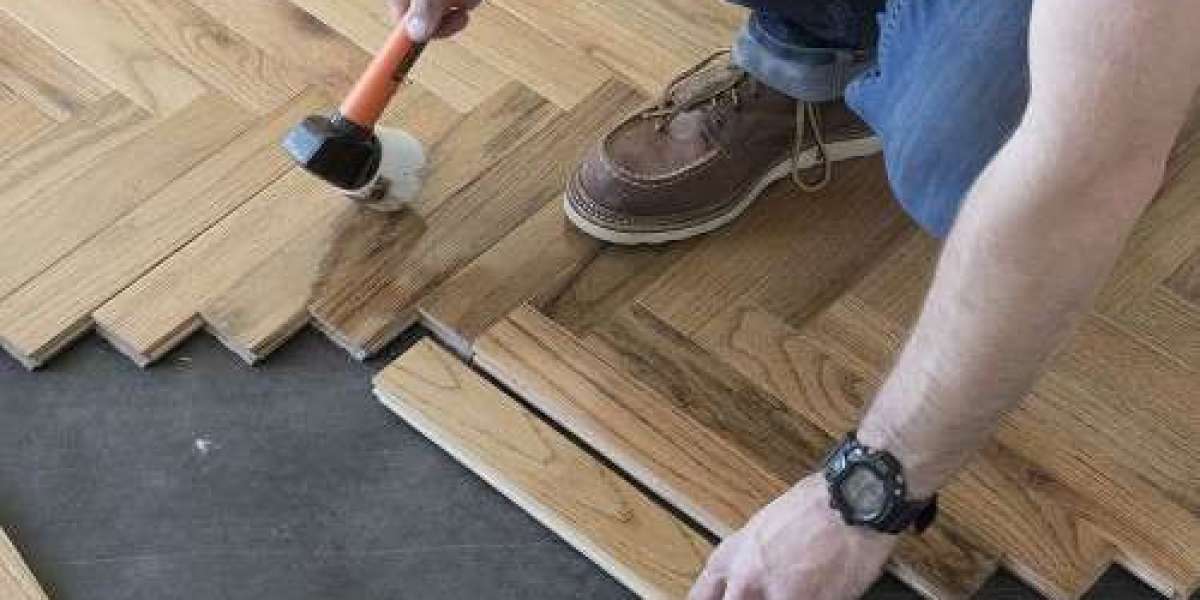
Hardwood Flooring contractors may need to replace individual boards when damage is too extensive for localized restoration. Matching the replacement involves more than finding wood with a similar color. Species, board width, grain pattern, thickness, finish, age, and surrounding wear can all affect the final appearance. Careful matching helps the repaired section blend more naturally with the existing floor.
Consider the Floor's Age
Older flooring may have experienced years of sunlight, cleaning, traffic, and seasonal changes. As a result, its original color and finish may differ significantly from new material. This matters when repairing only a small section because freshly installed boards can stand out against surrounding wood. Restoration planning should account for the existing floor's character rather than treating it like a brand-new installation.
Control Indoor Conditions
Wood flooring reacts to its surrounding environment. According to the NWFA, excessive humidity can cause wood to gain moisture and swell, while dry conditions can contribute to shrinking, gaps, or splits. Maintaining relatively stable indoor conditions can therefore support better long-term floor performance and reduce some moisture-related movement.
Protect Repaired Areas
Once repairs are completed, protecting the restored flooring can help preserve the results. Furniture pads can reduce scratching and indentation, while careful handling of heavy objects can prevent unnecessary damage. Regular maintenance also matters. Addressing small problems early may prevent them from becoming larger restoration projects that require more extensive sanding, board replacement, or refinishing.
Know When Professional Evaluation Helps
Hardwood damage is not always easy to classify by appearance alone. Moisture-related movement, deep gouges, widespread finish failure, and damaged boards may require a closer examination before work is selected. The NWFA recommends having wood flooring damage evaluated by an appropriately qualified flooring professional so that repair, replacement, or removal decisions are based on the actual condition.
Restore the Floor With a Long-Term View
Effective hardwood repair is about more than making damage disappear temporarily. The repair should address the condition of the wood, the cause of the problem, and the surrounding flooring so the finished result remains functional and visually consistent. With careful assessment and an appropriate restoration method, damaged hardwood can often regain much of its original character without unnecessary replacement.