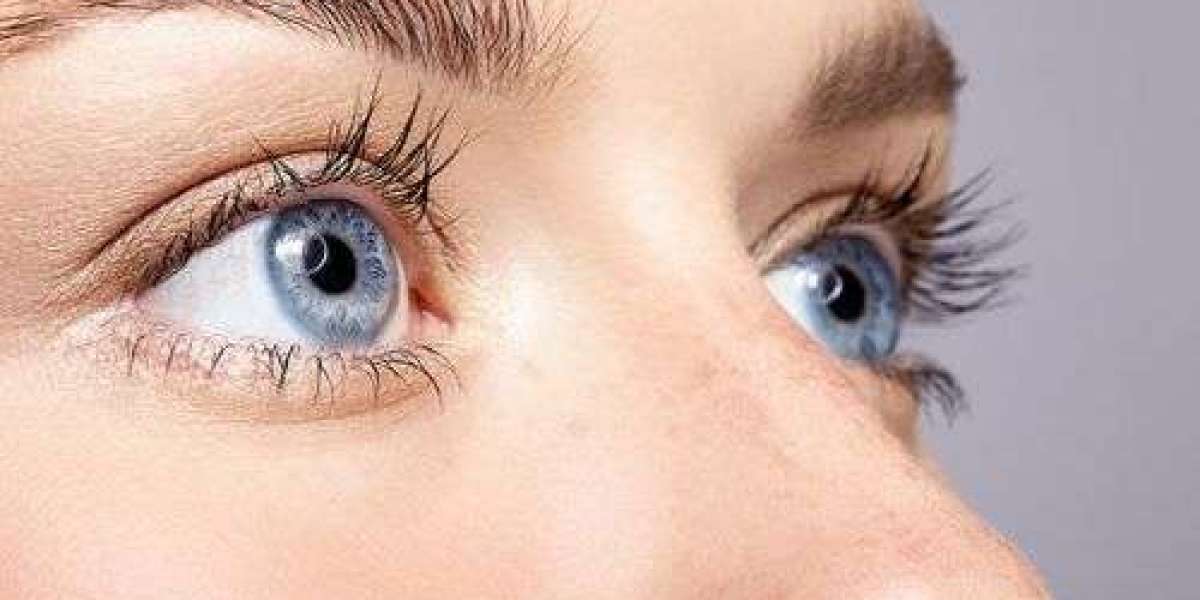

The eyes play an important role in facial expression, appearance, and overall facial balance. The shape of the upper eyelids, the position of the eyebrows, and the amount of visible eyelid skin can influence whether a person looks refreshed, tired, or older than they feel. For individuals considering cosmetic eyelid treatment, understanding how these features are evaluated can help them make informed decisions about their options.
Upper Eyelid Surgery in London is a procedure that may be considered by people who have excess skin around the upper eyelids or who want to explore changes to the appearance of their eye area. However, treatment planning involves more than identifying loose skin. A careful assessment considers the individual's natural eyelid anatomy, facial proportions, eyebrow position, skin characteristics, and personal expectations.
Rather than applying the same approach to every patient, a consultation allows the surgeon to examine how the upper eyelids relate to the rest of the face. This individualised evaluation helps determine whether surgery may be appropriate and what type of result could realistically be achieved.
Why Is Eyelid Shape Important in Facial Assessment?
Eyelid shape contributes to the overall appearance of the eyes and can influence facial expression. Some people naturally have a deep upper eyelid crease, while others have fuller eyelids or less visible creases. These differences are influenced by anatomy, genetics, skin thickness, Lower Eyelid Surgery In London and the distribution of underlying tissue.
During an assessment, the surgeon examines the natural contour of each upper eyelid. This includes looking at the crease, the amount of skin covering the eyelid, and how the eyelid moves when the eyes open and close.
For some individuals, excess skin creates a heavy appearance above the eyelashes. Others may have naturally full eyelids without significant skin laxity. Distinguishing between these characteristics is important because the most suitable approach depends on the underlying concern rather than appearance alone.
The surgeon also considers whether the eyelids are symmetrical. Although perfect symmetry is uncommon, noticeable differences in eyelid height, crease position, or skin distribution may influence treatment planning.
How Is the Natural Upper Eyelid Structure Evaluated?
A detailed examination of the upper eyelid structure provides the foundation for surgical planning. Several anatomical features may be considered to understand the relationship between the eyelid, the eye itself, and the surrounding tissues.
Eyelid Crease and Skin Distribution
The upper eyelid crease varies considerably from one person to another. Its position, depth, and visibility can affect the way the eyes appear at rest and during facial movement.
The surgeon assesses whether excess skin is concentrated near the inner corner, across the central eyelid, or towards the outer corner. Skin may also extend over the natural crease, making it less visible.
This assessment helps establish whether removing a carefully measured amount of skin could improve the visible contour of the upper eyelid while preserving its natural appearance.
Skin Thickness and Elasticity
Skin thickness and elasticity are additional considerations. Some individuals have relatively thin eyelid skin, while others have thicker skin or fuller tissue around the upper eyelids.
The surgeon evaluates the quality of the skin and how it sits over the underlying structures. These characteristics can influence how the eyelid contour is expected to appear after healing.
The aim is not necessarily to create a sharply defined crease or a dramatically different eye shape. Instead, treatment planning should account for the patient's existing anatomy and the degree of change that can be achieved appropriately.
Eyelid Movement and Function
The upper eyelids perform an essential role in protecting the eyes and supporting normal blinking. Their movement is therefore an important part of the assessment.
The surgeon may observe how easily the eyes open, whether the eyelids move evenly, and whether one eyelid appears lower than the other. If eyelid drooping is suspected, further examination may be needed to assess the muscles responsible for lifting the upper eyelids.
This distinction matters because excess skin and a low eyelid position are different concerns. Removing skin alone may not address a problem caused by the eyelid-lifting mechanism.
How Do Eyebrows Influence Upper Eyelid Surgery?
The position of the eyebrows has a direct relationship with the appearance of the upper eyelids. When the eyebrows sit lower, the skin between the brow and the eyelashes may appear fuller or heavier.
During a consultation, the surgeon examines the eyebrows in their natural resting position. They may also observe whether the patient habitually raises their eyebrows to keep excess skin away from the eyes.
This is relevant because repeatedly lifting the eyebrows can change how the upper eyelid area appears during an examination. Assessing the face at rest helps the surgeon better understand the natural relationship between the brow and eyelid.
In some cases, the main concern may involve excess upper eyelid skin. In others, brow position may contribute substantially to the appearance of heaviness. Some individuals may have a combination of these features.
Understanding the difference helps establish realistic expectations and determine whether upper eyelid surgery alone is likely to address the patient's primary concern.
What Facial Features Are Considered During Treatment Planning?
The upper eyelids are not assessed in isolation. Their appearance is influenced by the surrounding facial structures, including the forehead, eyebrows, temples, cheeks, and the distance between the eyes and brows.
Overall Facial Proportions
Facial proportions help the surgeon understand how the eyes fit into the broader facial appearance. The relationship between the forehead, eyebrows, and upper eyelids can influence whether a particular eyelid contour appears natural.
For example, a person with a naturally deep-set eye shape may have a different upper eyelid appearance from someone whose eyes are more prominent. The same amount of skin removal may not produce identical results in these two individuals.
Considering the overall facial structure helps guide decisions about the amount and distribution of skin that may be removed. The objective is to preserve the patient's recognisable features rather than create an unrelated or standardised appearance.
Eye Shape and Spacing
The shape and spacing of the eyes also contribute to facial balance. Some people have rounded eyes, while others have a more elongated or almond-shaped appearance. The distance between the eyes and the position of the inner and outer corners may further influence how the eyelids are perceived.
These natural characteristics are considered when discussing possible changes. Upper eyelid surgery primarily addresses excess skin and, where appropriate, selected underlying tissue. It does not automatically change the fundamental shape or spacing of the eyes.
A clear understanding of what the procedure can and cannot achieve helps patients develop realistic expectations before making a decision.
Forehead and Temple Area
The forehead and temple regions frame the upper eyelids. Changes in eyebrow position or the distribution of tissue around the temples can affect the apparent fullness of the upper eyelid area.
The surgeon may examine these regions to determine whether the patient's concern is primarily related to the eyelids or whether other facial features also contribute to the appearance they wish to address.
This broader assessment supports a more considered discussion of treatment options without assuming that every concern requires surgery.
How Is the Amount of Excess Skin Determined?
Determining how much upper eyelid skin may be removed requires careful examination. The objective is to address the excess tissue contributing to the patient's concern while preserving sufficient skin for normal eyelid closure and movement.
The surgeon evaluates the amount of skin extending over the natural eyelid crease and considers how it behaves when the eyes are open and closed. They may also examine the eyelids with the eyebrows in a relaxed position to avoid basing the plan on temporary facial movements.
The distribution of excess skin is important as well. One person may have fullness concentrated towards the outer eyelid, while another may have more uniform skin laxity across the upper eyelid.
These differences influence the proposed incision and the amount of tissue that may need to be addressed. Surgical planning should be individualised rather than based on a fixed measurement or a particular aesthetic trend.
The patient's natural eyelid structure and functional requirements remain central throughout this process.
What Happens During an Upper Eyelid Surgery Consultation in London?
A consultation provides an opportunity to discuss concerns, review relevant medical information, and establish whether upper eyelid surgery is an appropriate option.
At an Eyelid Surgery Clinic in London, an assessment may involve several stages, depending on the patient's needs and the clinician's examination.
First, the surgeon asks what has prompted the patient to consider treatment. Some individuals are concerned about excess skin, while others notice that their eyelid crease has become less visible over time. Understanding the specific concern helps focus the examination.
Next, the surgeon assesses eyelid anatomy, eyebrow position, skin quality, and relevant facial proportions. They may review photographs or take clinical photographs to document the existing appearance and support planning.
The consultation may also include questions about general health, previous eye procedures, contact lens use, medications, and symptoms such as dry eyes. These details help determine whether additional assessment is appropriate.
Finally, the surgeon explains the available options, the expected recovery process, and the likely limitations of treatment. Patients should have the opportunity to ask questions and consider whether the proposed approach aligns with their goals.
How Do Age and Natural Changes Affect Eyelid Assessment?
The appearance of the upper eyelids can change over time. Skin may gradually lose elasticity, while the distribution of tissue around the eyes and the position of the eyebrows may also change.
These developments can make the upper eyelids appear heavier than they did previously. However, age alone does not determine whether someone is suitable for surgery.
Some younger individuals naturally have fuller upper eyelids or inherited eyelid characteristics that concern them. Conversely, some older individuals retain relatively defined eyelid creases and may not need treatment.
For this reason, assessment should focus on the individual's anatomy, concerns, health, and expectations rather than a particular age group.
The surgeon may also discuss how natural facial changes could continue over time. Understanding this can help patients approach the decision with realistic expectations about the longevity and nature of the results.
What Should Patients Consider Before Choosing Upper Eyelid Surgery?
Before proceeding, patients should understand the purpose of the procedure and the changes it is intended to address.
It is helpful to identify the main concern clearly. For example, is the issue excess skin covering the eyelid crease, a naturally full eyelid, a low eyebrow position, or possible drooping of the eyelid itself? These concerns may require different approaches.
Patients should also discuss their desired outcome in practical terms. Some may prefer a subtle improvement that preserves their existing appearance, while others may want a more noticeable reduction in upper eyelid fullness.
Choosing an appropriately qualified surgeon is an important part of the process. Patients can ask about the clinician's experience with eyelid procedures, the assessment process, and how treatment recommendations are tailored to individual anatomy.
A thorough consultation should leave patients with a clear understanding of the proposed procedure, expected outcomes, recovery considerations, and any alternatives worth exploring.
Conclusion
Evaluating eyelid shape and facial features is an essential part of planning upper eyelid surgery. The process involves examining the natural eyelid crease, skin thickness, tissue distribution, eyebrow position, eyelid movement, and the relationship between the eyes and surrounding facial structures.
Upper Eyelid Surgery in London should be approached as an individualised treatment rather than a standard procedure designed to produce the same appearance for everyone. Careful assessment helps distinguish excess skin from other factors that may contribute to a heavy-looking upper eyelid and supports a more realistic discussion of possible results.
For patients considering treatment, a consultation with an experienced surgeon is an opportunity to understand their anatomy, explore appropriate options, and make an informed decision based on their personal goals.
Frequently Asked Questions
1. What is evaluated before upper eyelid surgery?
The assessment typically considers eyelid shape, excess skin, crease position, skin quality, eyebrow height, facial proportions, and eyelid movement. Medical history and individual expectations are also important.
2. Does upper eyelid surgery change the natural shape of the eyes?
The procedure primarily addresses excess upper eyelid skin and may involve selected underlying tissue where appropriate. Although the visible eyelid contour can change, the procedure does not automatically alter the fundamental shape or spacing of the eyes.
3. Why is eyebrow position important during eyelid assessment?
The eyebrows influence how much skin appears to cover the upper eyelids. A lower brow position can contribute to eyelid heaviness, so assessing the eyebrows helps the surgeon understand which features are responsible for the patient's concerns.
4. How is the amount of skin to be removed determined?
The surgeon examines the distribution of excess skin, the natural eyelid crease, eyelid movement, and the ability to close the eyes comfortably. The proposed amount is individualised to preserve normal function while addressing the patient's concerns.
5. Can upper eyelid surgery correct drooping eyebrows?
Upper eyelid surgery addresses excess skin around the upper eyelids, whereas a drooping brow is a separate anatomical concern. Depending on the assessment, the surgeon may discuss whether another approach is more appropriate.
6. Is upper eyelid surgery suitable for younger patients?
Age alone does not determine suitability. Younger patients may have naturally fuller eyelids, but the decision depends on their anatomy, concerns, general health, expectations, and clinical assessment.
7. How long does recovery from upper eyelid surgery take?
Recovery varies between individuals. Initial swelling and bruising commonly improve over the first couple of weeks, although subtle changes in healing and the final eyelid contour may take longer. The surgeon should provide personalised aftercare guidance.
8. How can patients choose an eyelid surgery clinic in London?
Patients should look for an appropriately qualified surgeon with relevant experience in eyelid procedures. They should also consider the quality of the consultation, the clarity of the proposed treatment plan, the explanation of expected results, and the availability of appropriate follow-up care.
9. Is upper eyelid surgery the same as lower eyelid surgery?
No. Upper eyelid surgery focuses on the skin and tissues of the upper eyelids, while lower eyelid surgery addresses concerns such as under-eye bags and changes in the lower eyelid contour. The appropriate procedure depends on the area being assessed.
10. What should patients ask during their consultation?
Patients may ask what is causing their eyelid concerns, whether surgery is appropriate, how the treatment will be tailored to their anatomy, what results are realistic, how recovery is managed, and whether alternative treatments should be considered.