
Introduction
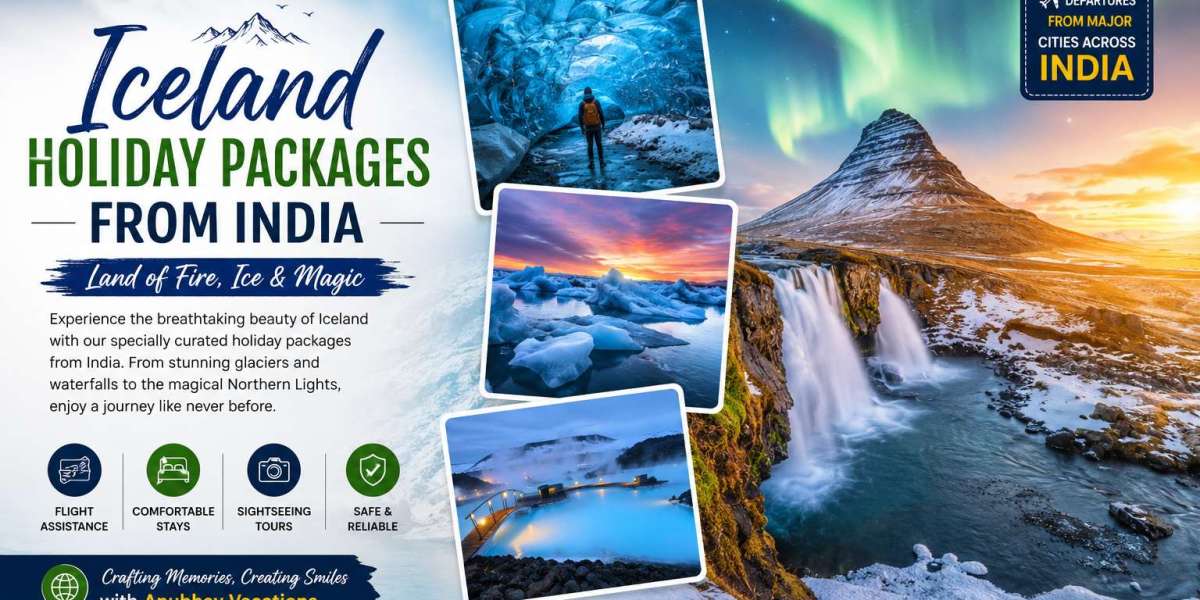
Iceland is a remarkable destination where dramatic coastlines, magnificent waterfalls, volcanic landscapes, glaciers, and geothermal wonders create an unforgettable travel experience. Known as the Land of Fire and Ice, this Nordic island offers an extraordinary combination of natural beauty, outdoor adventures, and fascinating cultural attractions.
An Iceland Holiday Package gives travelers the opportunity to explore the country's famous landmarks while discovering its beautiful coastal regions and unique natural wonders. From Reykjavik's lively streets and the Golden Circle's spectacular attractions to the black sand beaches of the South Coast and the breathtaking Jökulsárlón Glacier Lagoon, Iceland offers something special at every turn.
Whether you enjoy scenic journeys, photography, nature exploration, or adventure activities, Iceland is an excellent destination for a memorable international holiday.
Why Choose Iceland for Your Next Holiday?
Iceland stands out because of its diverse natural environment. Few destinations offer such a remarkable combination of glaciers, active volcanic regions, geothermal hot springs, waterfalls, and dramatic coastlines within one country.
Its landscapes change throughout the year, giving visitors different experiences in every season. Summer offers extended daylight hours and opportunities to explore more remote locations, while winter brings snowy scenery and opportunities to witness the Northern Lights.
The country also offers interesting cultural experiences. Reykjavik combines modern architecture, museums, restaurants, and traditional Icelandic heritage. Small coastal communities provide opportunities to understand local lifestyles and the country's connection with the ocean.
Best Places to Explore in Iceland
1. Reykjavik – Discover Iceland's Capital
Reykjavik is the cultural and commercial centre of Iceland and a convenient starting point for exploring the country. Despite its relatively small size, the capital offers several interesting attractions and a welcoming atmosphere.
Hallgrímskirkja is one of the city's most recognisable landmarks. Its distinctive architecture and elevated location provide excellent views of Reykjavik. Harpa Concert Hall, the Old Harbour, and the Sun Voyager sculpture are other popular sightseeing attractions.
Visitors can also explore local cafés, museums, shopping streets, and restaurants to experience Icelandic city life.
2. Golden Circle – A Journey Through Natural Wonders
The Golden Circle is one of Iceland's most famous sightseeing routes. It connects three major attractions and offers an excellent introduction to the country's geological and natural beauty.
Þingvellir National Park is known for its historical importance and geological formations created by the movement of tectonic plates. The Geysir geothermal area features hot springs and Strokkur, a geyser that regularly erupts.
Gullfoss Waterfall completes the route with its impressive cascading water and beautiful surroundings. Together, these attractions make the Golden Circle a highlight of many Iceland itineraries.
3. Seljalandsfoss – Experience a Beautiful Waterfall
Seljalandsfoss is one of Iceland's most photographed waterfalls. Water flows down a high cliff, creating a beautiful curtain against the surrounding landscape.
A walking path behind the waterfall offers a distinctive viewing experience when conditions allow. Visitors should wear suitable waterproof clothing because the surrounding mist can make the pathway wet and slippery.
4. Skógafoss – Admire the Power of Nature
Skógafoss is another spectacular waterfall located along Iceland's South Coast. Its wide stream of water creates an impressive sight, especially when sunlight produces colourful rainbows in the mist.
Visitors can admire the waterfall from its base or climb the staircase beside it for panoramic views of the surrounding countryside.
5. Reynisfjara – Explore the Black Sand Beach
Reynisfjara is famous for its black volcanic sand, basalt columns, and dramatic coastal formations. The nearby Reynisdrangar sea stacks rise from the Atlantic Ocean and create an extraordinary natural setting.
The beach is visually stunning, but its powerful sneaker waves can be dangerous. Visitors should follow local safety instructions and remain well away from the water's edge.
6. Jökulsárlón – Discover a Glacier Lagoon
Jökulsárlón Glacier Lagoon is one of Iceland's most remarkable natural attractions. Large icebergs break away from the nearby glacier and float across the lagoon, creating a constantly changing landscape.
Visitors can admire the ice formations from the shore or join boat excursions when available. The nearby Diamond Beach is another highlight, where pieces of ice often rest on the black volcanic sand.
Discover Iceland's Beautiful Coastal Regions
Iceland's coastline is one of its most distinctive features. Dramatic cliffs, fishing villages, black sand beaches, sea stacks, and wide ocean views make coastal exploration an essential part of the holiday experience.
South Coast
The South Coast is among the most popular regions for sightseeing. It features famous waterfalls, black sand beaches, glaciers, and beautiful coastal scenery.
Visitors can explore Seljalandsfoss, Skógafoss, Reynisfjara, and the surroundings of Vík. The region is particularly attractive for photography because of its varied landscapes.
Snæfellsnes Peninsula
The Snæfellsnes Peninsula is often described as a miniature version of Iceland because it features several types of scenery within a relatively compact area.
Kirkjufell Mountain is one of its most recognisable landmarks. The region also offers coastal cliffs, lava fields, beaches, fishing villages, and views of Snæfellsjökull glacier.
East Fjords
The East Fjords offer a quieter travel experience with winding coastal roads, picturesque fishing villages, mountains, and beautiful ocean views.
Seyðisfjörður is particularly attractive because of its colourful buildings and scenic setting. Travelers who enjoy peaceful surroundings and photography may find this region especially rewarding.
North Iceland
North Iceland offers a different combination of natural attractions, including volcanic formations, geothermal areas, waterfalls, and beautiful coastal scenery.
Akureyri is a popular base for exploring the region, while Lake Mývatn is known for its unusual volcanic landscapes and geothermal features.
Natural Wonders That Make Iceland Unique
Glaciers and Ice Caves
Iceland is home to impressive glaciers, including Vatnajökull, one of Europe's largest ice caps by volume. These frozen landscapes offer opportunities for guided glacier walks and seasonal ice cave visits.
Ice cave conditions change with temperature and weather. Visitors should only explore these environments with qualified guides and follow local safety advice.
Volcanoes and Lava Fields
Iceland's volcanic landscape is one of the main reasons for its unusual scenery. The island lies along the Mid-Atlantic Ridge, where tectonic activity has helped shape its mountains, lava fields, and geothermal regions.
Visitors can explore selected volcanic landscapes and learn about the country's geological history. Access to specific areas may change during volcanic activity or because of safety restrictions.
Geothermal Hot Springs
Geothermal activity creates natural hot springs and bathing experiences throughout Iceland. The Blue Lagoon is one of the country's best-known attractions, offering warm mineral-rich waters surrounded by volcanic scenery.
Other geothermal bathing locations provide different experiences and settings. Visitors should check opening schedules and reservation requirements before travelling.
Northern Lights
The Northern Lights are among the most exciting natural attractions for winter visitors. Iceland's dark skies provide opportunities to witness this colourful phenomenon, particularly away from city lights.
Visibility depends on solar activity, cloud cover, darkness, and weather conditions. Sightings cannot be guaranteed, so travelers should allow several evenings for possible viewing opportunities.
Best Activities to Enjoy During an Iceland Holiday
Glacier Hiking
Guided glacier hiking offers an opportunity to explore Iceland's frozen landscapes. Visitors can learn about glacier formations while walking across selected areas with trained professionals and suitable equipment.
Whale Watching
Iceland is known for its marine wildlife experiences. Whale-watching excursions operate from selected coastal destinations, including Reykjavik and Húsavík.
Different species may be spotted depending on the season and location, but wildlife sightings are never guaranteed.
Horse Riding
Icelandic horses are famous for their distinctive appearance and unique gait. Guided horse-riding experiences allow visitors to explore the countryside and learn about this special breed.
Scenic Boat Cruises
Boat excursions offer beautiful views of Iceland's coastal landscapes and glacier lagoons. Jökulsárlón is especially popular for its floating icebergs and impressive surroundings.
Photography and Nature Walks
Iceland offers outstanding photography opportunities throughout the year. Waterfalls, mountains, glaciers, beaches, volcanic formations, and colourful skies create memorable subjects for photographers and nature enthusiasts.
Best Time to Visit Iceland
Iceland offers different attractions and experiences in every season. The best time to visit depends on the activities and destinations travelers want to include.
Summer (June to August): Summer is ideal for sightseeing, road trips, and exploring remote locations. Longer daylight hours provide more time for outdoor activities and photography.
Autumn (September to October): Autumn brings changing landscapes and the beginning of the Northern Lights viewing season. It is an appealing period for travelers seeking a combination of sightseeing and seasonal experiences.
Winter (November to March): Winter offers snowy scenery, icy waterfalls, and opportunities for Northern Lights excursions. Some roads and attractions may have limited access because of weather conditions.
Spring (April to May): Spring brings gradually increasing daylight and changing landscapes. It can be a pleasant time to explore selected attractions before the busy summer period.
Essential Travel Tips for Iceland
Planning ahead can make your holiday more comfortable and enjoyable.
Pack suitable clothing: Icelandic weather can change quickly. Waterproof jackets, layered clothing, warm sweaters, and comfortable walking shoes are useful throughout the year. Winter travelers should carry thermal clothing and insulated footwear.
Plan transportation: Major attractions are spread across different regions. Consider guided tours, organised transportation, or suitable self-drive arrangements according to your itinerary and travel experience.
Check road conditions: Weather can affect road access, especially during winter. Always review local road and weather updates before travelling.
Understand entry requirements: Indian passport holders should check the latest Iceland and Schengen visa requirements before departure.
Consider travel insurance: Suitable international travel insurance can provide additional support during your holiday, including for selected outdoor activities when covered by the policy.
How Many Days Are Needed to Explore Iceland?
The ideal duration depends on the regions you want to visit and the pace of your holiday.
Around 5 to 7 days can provide a good introduction to Reykjavik, the Golden Circle, and selected South Coast attractions. A trip of approximately 8 to 12 days allows more time for glacier lagoons, additional coastal regions, and scenic journeys.
Travelers who want to explore the Ring Road and visit several parts of the country should consider a longer itinerary. Allowing enough time between destinations makes the experience more enjoyable and reduces the pressure of long travel days.
Why Choose a Planned Iceland Holiday?
Iceland's attractions are spread across different regions, and travelling between them requires careful planning. A planned holiday can help coordinate accommodation, transportation, sightseeing, and selected seasonal activities.
For first-time visitors, an organised itinerary can make it easier to explore major attractions while considering weather conditions, road access, and travel distances.
A suitable travel plan also helps balance sightseeing with relaxation, allowing visitors to appreciate Iceland's landscapes without rushing through every destination.
Conclusion
Iceland is an extraordinary destination for travelers who want to experience dramatic coastal scenery, magnificent waterfalls, glaciers, volcanoes, and geothermal wonders. From the famous Golden Circle and the black sand beaches of the South Coast to the spectacular Jökulsárlón Glacier Lagoon, every region offers something memorable.
Choosing a suitable itinerary and travel season can help visitors discover the country's highlights at a comfortable pace. Anubhav Vacations can help travelers explore suitable Iceland holiday experiences and plan an unforgettable journey through this beautiful Nordic destination.
Frequently Asked Questions
1. What are the best places to visit in Iceland?
Some of the most Iceland Holiday Package popular places include Reykjavik, the Golden Circle, Seljalandsfoss, Skógafoss, Reynisfjara Black Sand Beach, Jökulsárlón Glacier Lagoon, and the Snæfellsnes Peninsula. These destinations offer a combination of coastal beauty, waterfalls, glaciers, and volcanic scenery.
2. What is the best time to visit Iceland for natural attractions?
Summer is ideal for exploring more of the countryside because of longer daylight hours and generally better road access. Winter is popular for snowy scenery and Northern Lights viewing opportunities. The best season depends on the experiences you prefer.
3. Can travelers see the Northern Lights during an Iceland holiday?
Yes, travelers have opportunities to see the Northern Lights between September and March. However, visibility depends on solar activity and weather conditions, so sightings cannot be guaranteed.
4. Is Iceland suitable for a family holiday?
Yes. Iceland offers family-friendly sightseeing, scenic drives, geothermal attractions, museums, nature experiences, and selected outdoor activities. Families should choose excursions according to children's ages and local safety conditions.
5. How many days are enough for an Iceland holiday?
Around 5 to 7 days can cover selected highlights, including Reykjavik, the Golden Circle, and parts of the South Coast. An 8 to 12-day itinerary allows travelers to explore more regions and enjoy a wider range of natural attractions.






