
The traditional image of the family farm, often idealized as a simple, sole proprietorship passed down through generations, is increasingly detached from the realities of today’s agricultural landscape. Large-scale farming and food production are no longer just lifestyle choices; they are sophisticated corporate ventures operating in highly competitive, complex global markets. Failing to recognize and treat an agricultural operation as a full-fledged corporation is one of the biggest strategic errors a producer can make today. Effective agribusiness requires proactive legal strategy woven into the very fabric of operational planning.
Evolution of Agribusiness Law
Agriculture has undergone a significant transformation over the past few decades, driven by technology, consolidation, and complex supply chains. This shift has necessitated an evolution in the surrounding legal landscape, giving rise to agribusiness law as a distinct, multi-faceted practice area. It’s not just about land deals or equipment leases anymore. Today, legal counsel must navigate issues ranging from the protection of genetic intellectual property to navigating intricate environmental regulations and international trade disputes.
The integration of global supply chains means that a producer in the Midwest might be directly impacted by regulatory shifts in Europe or Asia. Vertical integration has consolidated power, requiring producers to negotiate incredibly detailed and often lopsided contracts with large processing and distribution entities. Technology from autonomous tractors to satellite data and drone imagery introduces new challenges in data ownership and liability. Environmental regulations have grown stricter, encompassing water rights, chemical runoff, and carbon sequestration. Labor issues have become paramount as immigration policy and worker safety regulations become more complex. Agribusiness law has had to expand rapidly to encompass all these aspects, demanding legal professionals with specialized, sector-specific knowledge.
Risk Management and Liability Protection
A key driver behind the corporate evolution in agriculture is risk management. Agriculture is inherently risky, susceptible to weather anomalies, volatile commodity prices, and unexpected disease outbreaks. Operating as a sole proprietorship leaves personal assets vulnerable. If a catastrophic lawsuit perhaps due to a product contamination or environmental incident were to occur, personal property, savings, and future income could all be at risk. Modern corporate structures, such as Limited Liability Companies (LLCs) or corporations, provide a necessary layer of protection, separating personal assets from business liabilities.
However, simply forming an LLC is only the first step. Proper governance is crucial to ensure that this liability protection holds. This means meticulously documenting decisions, separating personal and business finances, and adhering to corporate formalities. Failure to do so can lead to "piercing the corporate veil," nullifying the protective benefits of the legal entity. Proactive legal planning within the realm of agribusiness law ensures that these entities are not only formed correctly but also managed continuously in a way that truly mitigates risk.
Entity Selection and Management Governance
Selecting the correct legal entity is not a generic decision; it requires careful analysis of the specific operation's goals, tax situation, and ownership structure. Options range from simple C-corps and S-corps to various types of partnerships and LLCs, each with its own advantages and drawbacks regarding taxation, ease of operation, and transfer of ownership. For example, some structures might be better suited for operations with multiple unrelated investors, while others are more flexible for multi-generational family ownership where some heirs might not be active in the day-to-day operations.
Management governance is equally important. Even a small operation should have clearly defined roles and responsibilities, operating agreements (for LLCs) or bylaws (for corporations), and structured decision-making processes. This provides clarity, reduces internal conflict, and presents a more professional and stable image to lenders, partners, and potential future buyers. Formalizing governance can prevent disastrous family disputes that have, in the past, torn apart historically successful farming operations.
The Succession Planning Imperative
One of the most critical challenges facing agriculture today is intergenerational transfer. As the average age of agricultural producers continues to rise, millions of acres and complex businesses must change hands over the coming years. Yet, a large percentage of farming operations lack a formalized succession plan. This isn’t just about who gets the farm; it’s about ensuring the ongoing viability of the operation and navigating complex valuation issues, tax consequences, and differing family dynamics.
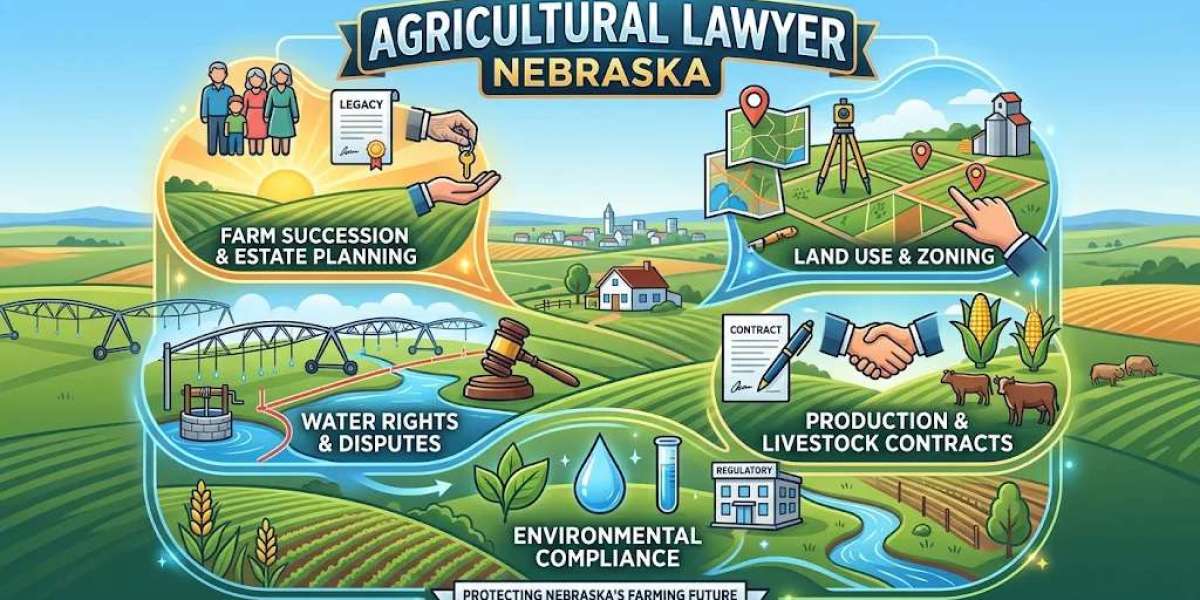
Agricultural assets are incredibly unique. Land valuation is complex and often high, creating significant potential for estate tax issues. Equipment and inventory values are substantial. Splitting these assets fairly among heirs, especially when some are actively farming and others are not, requires sophisticated planning to avoid crippling the ongoing business. A general estate plan is simply not sufficient. Specialized knowledge within agribusiness law is necessary to structure the transfer properly, utilizing mechanisms like trusts, buy-sell agreements, and staggered ownership transfers to minimize taxes, preserve equity, and ensure management continuity. Often, this requires bringing in an agricultural lawyer Nebraska, Iowa, Kansas, or another state-specific expert who understands local land values, estate tax laws, and the unique challenges faced by producers in that specific region.
Complex Regulatory Landscape
Agriculture is heavily regulated across numerous fronts. Federal agencies like the EPA and USDA govern environmental compliance and safety standards. The Food Safety Modernization Act (FSMA) imposes strict traceability and prevention standards throughout the food supply chain. Labor laws, immigration issues (specifically surrounding H-2A guest worker programs), and occupational safety regulations (OSHA) further complicate the operational environment. State-level regulations, particularly regarding water use and nutrient management, can vary significantly and change rapidly.
Operating outside of regulatory compliance exposes an operation to significant fines, legal action, and catastrophic reputation damage. Developing a comprehensive compliance plan is no longer optional; it is a fundamental component of managing an agribusiness venture. Regular environmental and safety audits can identify potential vulnerabilities before they become major problems. Staying ahead of regulatory shifts requires consistent monitoring and a deep understanding of how specific rules apply to agricultural operations.
Necessity of Sector-Specific Legal Support
Given the complexities of modern agriculture, a "jack-of-all-trades" legal generalist is often unable to provide the level of nuanced support needed. Agribusiness operations require legal counsel that lives and breathes the industry. General counsel might understand contract law, but they may lack the specific insight needed to negotiate specialized production or supply contracts. They may understand corporate formations, but be unaware of specific agricultural exemptions or unique tax treatments.
It’s about more than just knowledge of the law; it’s about understanding the unique operational realities of the agricultural sector. Producers need legal advisors who can proactively identify risks, streamline structures, and provide strategic counsel on long-term goals. They need partners like Midwest Ag Law, or similar specialized entities, that possess the deep sector-specific expertise and regional understanding to navigate these challenges effectively. General corporate knowledge will only go so far when facing unique state-specific issues like Nebraska water rights or specific localized zoning challenges; at that point, you truly need an agricultural lawyer Nebraska or an expert intimately familiar with your state’s specific agricultural landscape. Securing this type of localized, specialized support is not an overhead expense; it is an investment in the long-term sustainability and profitability of the operation. Proactive legal strategy and continuous risk mitigation through specialized legal counsel is part and parcel of modern operational efficiency, not an afterthought to be addressed only when a crisis occurs. Failing to incorporate robust legal strategy into the core planning of an agricultural venture is equivalent to ignoring sound agronomic practices; both paths expose the operation to unnecessary and potentially catastrophic risk.
Frequently Asked Questions
Q1. What is the biggest advantage of incorporating an agricultural operation?
The primary benefit is typically liability protection, which separates your personal assets from the business's liabilities, protecting personal property from lawsuits and business debts.
Q2. When should an agribusiness start thinking about a succession plan?
The best time is now. Succession planning is a process, not a single event, and it should ideally be integrated with operational planning from the early stages of the business.
Q3. Do I need an environmental audit for my farm?
An audit can proactively identify compliance issues and potential liabilities related to chemical storage, runoff, or water use, helping avoid costly fines and legal issues later.
Q4. Are online legal templates suitable for agricultural contracts?
Generally, no. Agriculture is highly unique; generic forms often miss crucial state laws, industry-specific clauses, or the necessary details to adequately protect your specific interests and manage sector-specific risks.
Q5. How much time does implementing a corporate governance structure require?
The initial setup takes time, but the continuous management like documenting key decisions and holding required meetings integrated naturally becomes part of the operating routine, improving efficiency and reducing legal risk.