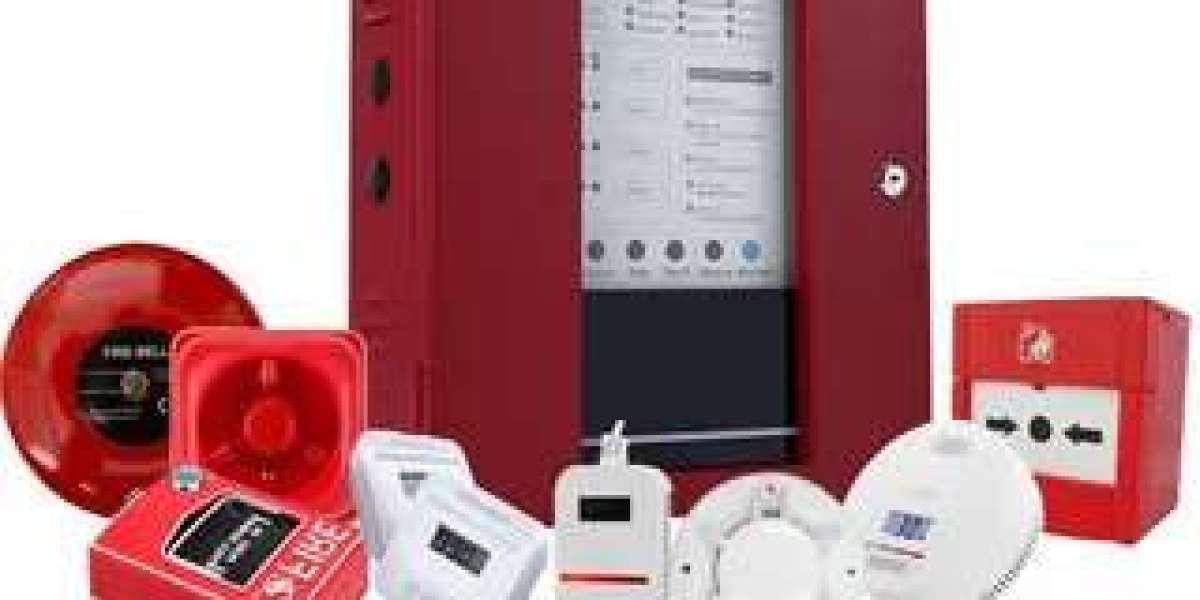

The fire alarm system price in Pakistan depends on the type of system, number of detectors, control panel capacity, building size, and installation requirements. Whether you are protecting a home, office, school, warehouse, hospital, or commercial property, choosing the right fire alarm system is an important investment in safety. Understanding the available options and their approximate costs can help you make a better purchasing decision.
What Is a Fire Alarm System?
A fire alarm system is a safety arrangement designed to detect signs of fire and alert people inside a building. It uses devices such as smoke detectors, heat detectors, manual call points, control panels, and sounders to provide early warnings.
When a detector identifies smoke or unusual heat, it sends a signal to the control panel. The panel processes that signal and activates audible or visual alerts, allowing occupants to respond and evacuate when necessary.
Fire Alarm System Price in Pakistan in 2026
There is no single fixed price for every fire alarm installation. A standalone smoke detector costs much less than a complete system covering several floors.
The following figures provide an indicative equipment-price guide based on publicly listed products in Pakistan. Actual quotations may vary by brand, availability, specifications, and supplier.
| Fire Alarm Equipment | Approximate Price |
|---|---|
| Conventional smoke detector | Rs. 1,700 |
| Conventional heat detector | Rs. 1,800 |
| 2-zone conventional control panel | Rs. 13,800 |
| 4-zone conventional control panel | Rs. 15,800 |
| 8-zone conventional control panel | Rs. 20,299 |
| Addressable smoke or heat detector | Around Rs. 5,800 |
| Addressable control panel | Rs. 345,300 for a listed model |
These are example market listings, not guaranteed prices or a complete installation quotation. Wiring, batteries, sounders, call points, labour, testing, and commissioning can increase the total project cost.
Types of Fire Alarm Systems Available in Pakistan
1. Conventional Fire Alarm System
A conventional fire alarm system divides a building into different zones. When a detector activates, the control panel identifies the affected zone rather than the exact detector.
This type is commonly considered for smaller buildings, shops, offices, and properties with relatively simple layouts. It can be a practical option when the building does not require detailed device-level identification.
2. Addressable Fire Alarm System
An addressable system assigns a unique identity to each connected device. If a detector activates, the control panel can identify the specific device and its location.
These systems are useful for larger or more complex buildings, including hospitals, hotels, factories, and multi-storey commercial properties. They can also make fault identification and maintenance more straightforward.
3. Wireless Fire Alarm System
Wireless fire alarm systems communicate through radio signals rather than relying entirely on conventional wired connections. They may be suitable for certain existing buildings where installing new cables would be difficult.
The final cost depends on the wireless equipment, signal coverage, battery requirements, and system design.
Main Components That Affect the Total Cost
A complete fire alarm system includes several components working together.
Smoke detectors: Identify smoke particles and provide an early warning of a possible fire.
Heat detectors: Respond to a rise in temperature and may be suitable for locations where smoke detectors could produce unwanted alarms.
Fire alarm control panel: Receives signals from connected devices and manages the alarm system.
Manual call points: Allow occupants to activate an alarm manually in an emergency.
Sounders and sirens: Produce audible warnings to alert people inside the building.
Backup batteries: Help keep the system operational during a mains power failure.
Fire-rated cables: Connect the system components and support reliable communication during an emergency.
The number and type of these components should be selected according to the building's layout and fire safety requirements.
Factors That Influence Fire Alarm System Prices
Building Size and Number of Floors
A small shop may require only a limited number of detectors, while a large office or factory may need devices across several floors and separate areas. More equipment and longer cable routes generally increase the project cost.
Conventional or Addressable Technology
Conventional systems are usually less expensive for smaller installations. Addressable systems typically require a higher initial investment but provide more detailed information about the location of an alarm or fault.
Equipment Brand and Quality
Different manufacturers offer different product ranges, features, and specifications. Buyers should compare product compatibility, documentation, warranty terms, and availability of replacement parts rather than selecting equipment on price alone.
Installation and Maintenance
Professional installation, system configuration, testing, and commissioning are important parts of a complete project. Regular inspection and maintenance also help ensure that detectors, control panels, alarms, and backup batteries remain functional.
How to Choose the Right Fire Alarm System
Before purchasing a system, consider the following points:
Assess the building's size, layout, floors, and occupancy.
Identify areas that may need smoke detectors, heat detectors, or other suitable devices.
Decide whether a conventional or addressable system is appropriate.
Check the control panel's capacity and compatibility with the selected devices.
Confirm that the system design meets applicable fire safety requirements.
Request a detailed quotation covering equipment, wiring, installation, testing, and maintenance.
A professional site assessment can help determine the correct number and placement of devices. Avoid choosing a system only because it has the lowest advertised price.
Why Professional Installation Matters
Even quality fire alarm equipment may not provide effective protection if it is incorrectly installed or configured. Poor detector placement, unsuitable wiring, incompatible components, or an untested control panel can affect system performance.
A qualified installer should assess the property, prepare an appropriate layout, install compatible components, test the alarm functions, and explain basic operation to the building's responsible staff.
The system should also be inspected periodically. Testing schedules and maintenance procedures should follow the manufacturer's instructions and applicable safety requirements.
Frequently Asked Questions
How much does a fire alarm system cost in Pakistan?
The price depends on the system type and building requirements. Publicly listed conventional panels can start around Rs. 13,800, while a complete installation costs more after adding detectors, call points, sounders, cables, batteries, and labour.
Which fire alarm system is suitable for a small office?
A conventional system may be suitable for a small office with a simple layout. The final choice should be based on the building's size, occupancy, risks, and applicable fire safety requirements.
What is the difference between conventional and addressable fire alarms?
A conventional system identifies the zone where an alarm has activated. An addressable system can identify the individual device that triggered the alarm, helping staff locate the affected area more precisely.
Does a fire alarm system work during load-shedding?
A properly configured system with a suitable, maintained backup battery can continue operating when the main electricity supply fails. The battery should be checked and replaced according to the manufacturer's recommendations.
Does the installation price include all equipment?
Not necessarily. Some quotations cover equipment only, while others include wiring, installation, testing, and commissioning. Always request an itemised quotation so you know exactly what is included.
Final Thoughts
Choosing the right fire alarm system requires more than comparing advertised prices. Buyers should consider building size, detection requirements, equipment quality, installation standards, and ongoing maintenance. A properly selected and professionally installed system can provide early warnings and support a safer response during a fire emergency.
For more useful information and articles on products, services, and practical solutions, visit AdriaCircle.