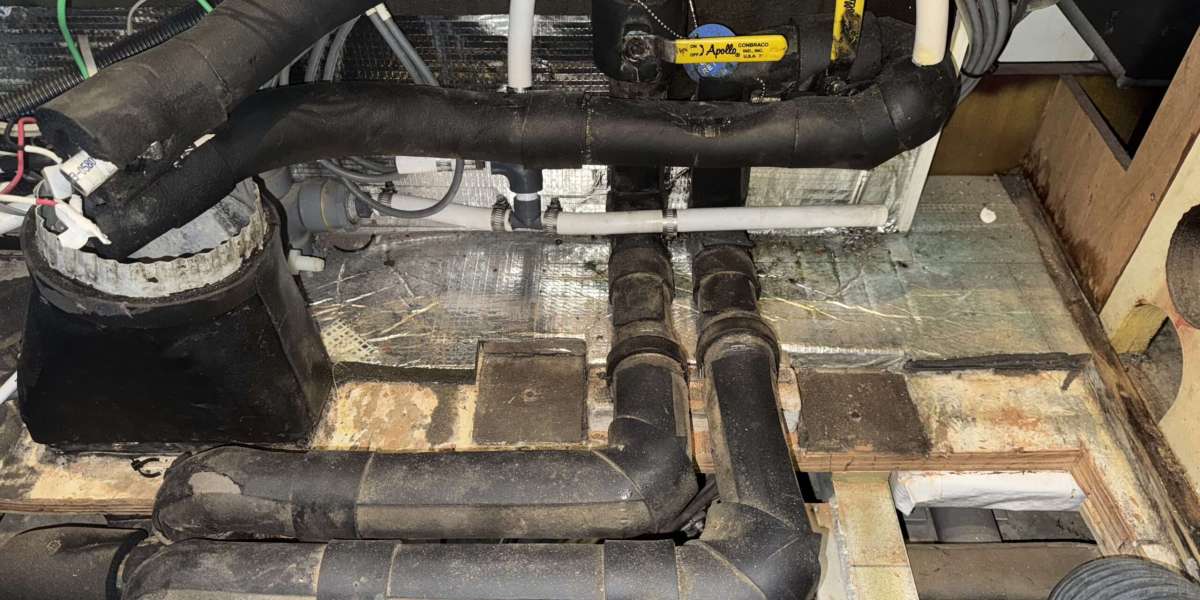

Commercial vessels, luxury yachts, and naval ships operate within demanding maritime environments where acoustic chaos is a constant challenge. Mechanical vibrations, propeller cavitation, roaring engines, and churning exhaust streams create severe noise pollution across deck levels. Implementing high-performance marine soundproofing and specialized marine noise insulation mitigates acoustic disturbances, protecting structural integrity, reducing crew fatigue, and maximizing fuel economy. Modern naval architecture treats thermal-acoustic isolation not as an optional luxury, but as a critical engineering discipline that yields profound operational advantages.
Acoustic Dynamics within Maritime Operations
Vessel dynamics present distinct structural challenges. Marine machinery generates two primary categories of acoustic energy: airborne noise and structure-borne vibration. Addressing both requires dynamic engineering strategies.
Airborne vs. Structure-Borne Energy Transmission
Airborne sounds radiate directly from combustion chambers, exhaust manifolds, and auxiliary generators, vibrating through atmospheric medium until striking physical barriers. Conversely, structure-borne sound propagates through solid steel, aluminum, or fiberglass hulls. Rotating propulsion shafts and heavy pistons transmit physical oscillations straight into the vessel framing, transforming bulkheads and cabin floors into giant acoustic diaphragms. Without targeted intervention, these vibrations ring throughout the ship, exacerbating mechanical wear and elevating internal noise decibels.
Decibel Exposure and Occupational Health
Continuous exposure to loud marine machinery poses severe health hazards to onboard crews. Extended shifts spent alongside uninsulated engine rooms can induce permanent noise-induced hearing loss (NIHL), elevated stress hormones, hypertension, and cognitive exhaustion.
Engine Compartment Noise: Frequently exceeds 105 to 115 dBA.
IMO Health Standards: Mandate maximum noise thresholds across specific shipboard areas (e.g., maximum 60 dBA in crew cabins, 75 dBA in control rooms).
Safety Impact: Attenuating background noise ensures critical audio alerts, alarms, and radio communications remain crisp and intelligible.
Critical Engine Room Sound Absorption Techniques
Engine spaces represent the epicenters of shipboard noise generation. Effective acoustic treatment demands specialized materials engineered to withstand high temperatures, oil vapors, and intense moisture while dampening intense vibration.
High-Density Composite Barriers
Standard sound-absorption foams fail rapidly in maritime environments due to moisture absorption and fire hazards. Superior vessel designs deploy multi-layered composite materials consisting of:
Mass-Loaded Vinyl (MLV): Dense viscoelastic membranes that block low-frequency airborne sound transmission.
Hydrophobic Acoustic Core: Hydrophobic open-cell foam or glass-mineral wool that traps high-frequency air pressure waves without absorbing water or oil fumes.
Reflective Foil Facing: Heavy-duty reinforced aluminum facings that reflect radiant heat while maintaining structural containment.
Integrating these composite barriers directly onto bulkheads and overhead engine housings creates a fortified barrier against thermal and acoustic transfer.
Vibration Damping and Isolation Mounts
Intercepting physical vibrations before they migrate into the hull structure requires resilient isolation hardware. Heavy propulsion units, generators, and pump systems must rest on calibrated elastomeric or spring-based flexible mounts. Furthermore, applying viscoelastic damping compounds to internal hull plates converts kinetic vibration energy into negligible thermal energy, deadening the structural "ringing" effect common in metal hulls.
Cabin Comfort and Interior Spatial Design
Creating tranquil living spaces on commercial vessels or pleasure craft directly influences passenger satisfaction and operational focus. Strategic marine soundproofing techniques extend far beyond the engine bay into guest staterooms, wheelhouses, and communal dining areas.
Structural Partitioning and Floating Floors
To isolate passenger cabins from ambient hull vibration, marine interior architects construct "floating" subfloor systems. A floating floor relies on high-density elastomeric pucks or rigid rockwool slabs laid over structural decks, topped with structural composite paneling.
Impact Noise Attenuation: Prevents footstep and mechanical impact sound from penetrating adjacent cabins.
Perimeter Isolation: Acoustic sealants prevent sound bridging along wall-to-floor intersections.
Decoupled Bulkheads: Double-leaf wall constructions with decoupling clips disrupt direct sound pathways between adjacent quarters.
HVAC and Ductwork Attenuation
Air distribution networks often act as acoustic pipes, transporting mechanical fan hums directly into quiet staterooms. Integrating specialized duct silencers, internal acoustic linings, and flexible duct couplings prevents air conditioning systems from compromising cabin tranquility.
Safety, Compliance, and Thermal Efficiency Synergy
Investing in comprehensive maritime insulation yields benefits beyond decibel suppression. Thermal management and fire safety are intrinsically linked with acoustic treatment materials.
Regulatory Compliance Standards
International maritime authorities enforce stringent safety and environmental mandates regarding shipboard acoustics and material performance.
| Regulatory Body / Standard | Core Focus Area | Primary Requirement |
| IMO Resolution MSC.337(91) | Noise Levels On Board Ships | Sets maximum dBA limits for work and living quarters |
| SOLAS (Safety of Life at Sea) | Fire Protection & Structural Integrity | Requires non-combustible materials (FTP Code compliance) |
| USCG Standards | Vessel Safety & Material Approval | Validates flame spread and smoke generation safety |
Material selection must balance sound absorption performance with strict compliance regarding flame spread ratings, low smoke emissions, and toxic byproduct prevention during combustion.
Maximizing Energy Efficiency Through Thermal-Acoustic Insulation
Dual-purpose marine noise insulation products function simultaneously as thermal barriers. By restricting thermal transfer through engine room bulkheads, these materials lower the cooling load on vessel HVAC systems. Lower HVAC energy demand translates directly into reduced generator fuel consumption and extended equipment lifecycles, proving that acoustic engineering directly improves overall operational economy.
Implementation Guidelines for Marine Retrofits and Upgrades
Upgrading older vessels or retrofitting commercial fleets requires a systematic evaluation of existing acoustic vulnerabilities.
Diagnostic Acoustic Surveys
Before applying soundproofing materials, engineers perform decibel mapping and frequency spectrum analysis across various operating speeds. Identifying whether problematic frequencies are low-frequency hums (structural vibration) or high-frequency whistles (airborne leakage) dictates the exact material specifications needed.
Sealing Acoustic Leaks
Even minimal gaps compromise soundproofing effectiveness. Penetrations for electrical conduits, hydraulic piping, and exhaust trunks must be sealed with fire-stop intumescent sealants and flexible acoustic boots. Ensuring airtight seals around engine access hatches and doors is essential to prevent noise leakage into adjacent workspaces.
Implementing tailored marine soundproofing solutions transforms maritime operations by creating quieter, safer, and significantly more efficient vessels across all sea-going conditions.