
Vanilla is one of the world's most popular natural flavors, known for its sweet aroma, delicious taste, and versatility. It is widely used in desserts, beverages, baked goods, and skincare products. However, vanilla is more than just a flavoring ingredient. Natural vanilla contains several plant compounds, including antioxidants, that have attracted attention for their potential health benefits.
From improving the flavor of everyday recipes to adding a pleasant aroma to homemade products, vanilla has many uses. Whether you use vanilla beans, vanilla powder, or vanilla extract, understanding its nutritional properties and potential benefits can help you make better choices.
In this guide, we will explore vanilla benefits, nutritional value, different uses, possible side effects, and simple ways to include vanilla in your daily routine.
What Is Vanilla?
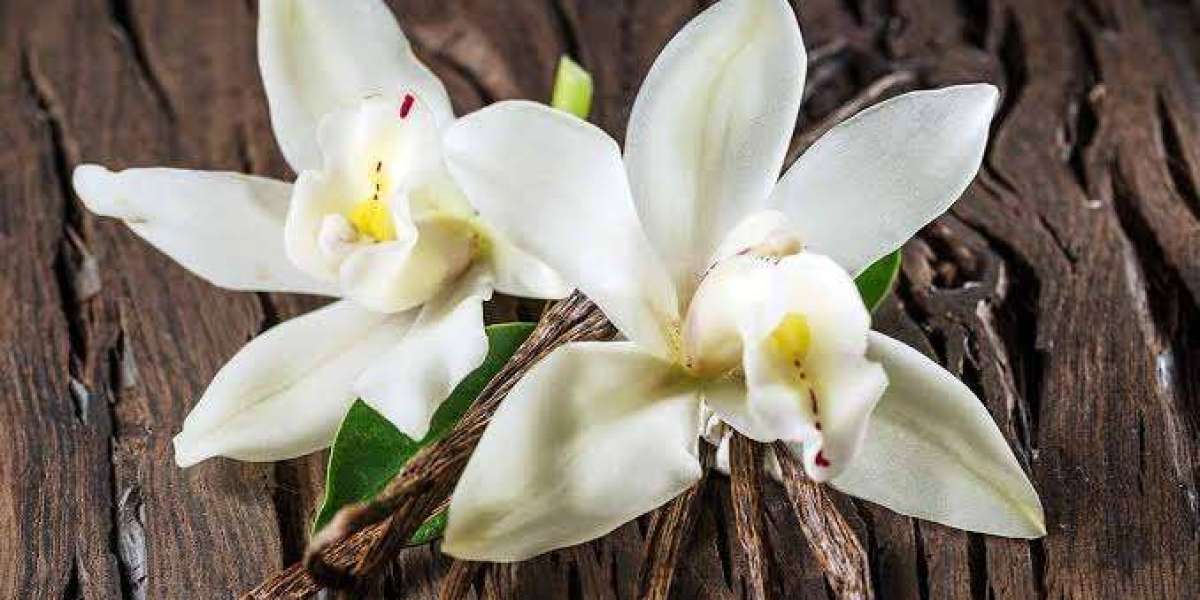
Vanilla is a natural flavoring obtained from the cured pods of orchids belonging to the Vanilla genus. The most commonly used variety is Vanilla planifolia, which is grown in tropical regions.
Vanilla is particularly popular because of its rich, sweet fragrance and smooth flavor. After harvesting, vanilla pods undergo a curing process that develops their characteristic aroma and taste.
Vanilla is available in several forms:
Vanilla Beans: Whole cured pods containing tiny aromatic seeds.
Vanilla Extract: A liquid flavoring made by extracting vanilla compounds.
Vanilla Powder: Ground vanilla beans or other vanilla-based powdered preparations.
Vanilla Essence: A flavoring that may contain natural vanilla compounds, artificial flavorings, or both.
Vanilla Paste: A concentrated product containing vanilla flavor and visible vanilla bean seeds.
Natural vanilla is generally preferred for its authentic flavor and aroma.
Nutritional Value of Vanilla
Vanilla is normally used in small quantities, so it does not contribute significant amounts of calories or essential nutrients to most meals.
However, natural vanilla contains aromatic plant compounds, including vanillin, which gives vanilla its characteristic smell and flavor.
Some of the compounds found in vanilla include:
Vanillin
Vanillic acid
Phenolic compounds
Small amounts of other naturally occurring plant antioxidants
The nutritional value depends on the form of vanilla and the ingredients used in commercial products. Pure vanilla extract, for example, may contain alcohol, while vanilla-flavored syrups can contain added sugar.
For the best results, choose pure vanilla products and check the ingredient label.
10 Potential Vanilla Benefits
Vanilla is appreciated for its flavor, but its natural plant compounds have also been studied for their potential health properties. Here are some commonly discussed vanilla benefits.
1. Contains Antioxidant Compounds
Natural vanilla contains vanillin and other plant compounds that have demonstrated antioxidant activity in laboratory research.
Antioxidants help protect cells from oxidative damage caused by unstable molecules known as free radicals.
Including a variety of antioxidant-rich foods, such as fruits, vegetables, nuts, and whole grains, is a practical way to support overall health. Vanilla can contribute small amounts of plant compounds to your diet.
2. May Support a Relaxing Environment
Vanilla has a warm, sweet aroma that many people find comforting. Its fragrance is commonly used in candles, perfumes, and aromatherapy products.
Some research suggests that pleasant scents may influence mood and feelings of relaxation. However, vanilla aroma should not be considered a treatment for anxiety, stress, or sleep disorders.
Enjoying the smell of vanilla while relaxing, reading, or preparing your favorite drink can be a simple way to create a pleasant atmosphere.
3. May Have Anti-Inflammatory Properties
Certain compounds found in vanilla, particularly vanillin, have demonstrated potential anti-inflammatory effects in laboratory and animal studies.
Inflammation is part of the body's natural defense system, but excessive or persistent inflammation can contribute to various health problems.
Although early research is interesting, more human studies are needed to establish whether consuming vanilla provides meaningful anti-inflammatory benefits.
4. Supports Flavor Without Adding Much Sugar
One practical benefit of vanilla is its ability to enhance the flavor of foods without requiring large amounts of added sugar.
Adding a small amount of pure vanilla extract to oatmeal, yogurt, homemade smoothies, or milk can create a naturally sweet impression.
This can be helpful when preparing recipes with reduced added sugar. However, vanilla itself is not a sugar substitute, and its flavor does not eliminate the need to consider overall dietary habits.
5. May Support Skin Health
Vanillin and other compounds found in vanilla have attracted interest in skincare research because of their antioxidant properties.
Vanilla is also used in fragrances, body lotions, soaps, and personal care products because of its pleasant scent.
However, there is not enough clinical evidence to conclude that applying vanilla directly to the skin improves acne, wrinkles, pigmentation, or other skin conditions.
For skincare, use properly formulated products rather than applying concentrated vanilla extract directly to your face.
6. Provides a Pleasant Natural Aroma
Vanilla is widely used in aromatherapy and personal care products because of its distinctive fragrance.
Its sweet scent is commonly associated with comfort and relaxation. Vanilla-scented products can make living spaces feel more welcoming and create an enjoyable sensory experience.
Although the aroma may improve your personal environment, it should not replace medical treatments for mood or sleep-related conditions.
7. May Have Antimicrobial Potential
Some laboratory studies have investigated vanillin and related compounds for their ability to affect certain microorganisms.
These findings have generated interest in potential food preservation and other applications.
However, vanilla extract is not a disinfectant, antibiotic, or substitute for proper food hygiene. More research is needed before making practical health claims.
8. Adds Flavor to Healthy Foods
Vanilla makes it easier to enjoy nutritious foods without relying heavily on artificial flavorings or excessive sugar.
You can add a few drops of pure vanilla extract to:
Plain Greek yogurt
Homemade oatmeal
Fruit smoothies
Chia seed pudding
Homemade protein shakes
Overnight oats
These combinations can make everyday healthy meals more enjoyable.
9. Can Make Homemade Drinks More Enjoyable
Vanilla works particularly well in milk, coffee, tea, and homemade smoothies.
A small amount of vanilla extract can add a rich flavor to drinks without requiring flavored syrups.
For people trying to reduce their intake of added sugar, homemade vanilla beverages can be a useful alternative to heavily sweetened commercial drinks.
10. Versatile for Everyday Cooking
One of the greatest vanilla benefits is its versatility. It works in sweet and selected savory recipes, making it a useful ingredient in almost every kitchen.
From cakes and cookies to homemade sauces and beverages, vanilla adds depth and aroma.
Its versatility makes it easy to experiment with different recipes while enjoying its distinctive flavor.
Different Uses of Vanilla
Vanilla is used in food, beverages, cosmetics, and household products. Here are some popular ways to use it.
Vanilla in Baking
Vanilla is an essential ingredient in many baking recipes, including:
Vanilla cakes
Cupcakes
Cookies
Brownies
Muffins
Pancakes
Homemade custards
It enhances sweetness and balances other flavors.
Vanilla in Beverages
You can add vanilla to different homemade drinks, such as:
Vanilla milk
Iced coffee
Vanilla latte
Homemade milkshakes
Fruit smoothies
Herbal tea
Use pure vanilla extract and adjust the quantity according to your taste.
Vanilla in Desserts
Vanilla pairs beautifully with milk, cream, chocolate, and fruit.
It is commonly used in ice cream, puddings, custards, kheer, and other traditional and modern desserts.
Vanilla in Skincare Products
Vanilla fragrance is popular in body lotions, soaps, creams, and perfumes.
Choose products formulated for skin use, especially if you have sensitive skin.
How to Use Vanilla in Your Daily Routine
Adding vanilla to your everyday routine is simple. Here are a few easy ideas:
Morning: Add a few drops of pure vanilla extract to your oatmeal or morning smoothie.
Afternoon: Prepare homemade vanilla milk using milk, vanilla extract, and a small amount of your preferred sweetener.
Evening: Add vanilla to homemade yogurt or a healthy dessert.
For Baking: Use vanilla extract in cakes, muffins, cookies, and pancakes according to the recipe.
Remember that a small amount is usually enough to provide a noticeable flavor.
Possible Side Effects and Precautions
Vanilla is generally safe when consumed in normal food quantities. However, there are a few precautions to consider.
Allergic Reactions: Some people may experience irritation or allergic reactions to vanilla or ingredients in vanilla-flavored products.
Added Sugar: Commercial vanilla syrups and dessert products may contain considerable amounts of added sugar.
Alcohol Content: Pure vanilla extract commonly contains alcohol, so check the label if you need to avoid it.
Skin Irritation: Concentrated vanilla products may irritate sensitive skin. Avoid applying food-grade extract directly to the skin.
Product Quality: Some vanilla essences contain artificial flavorings rather than natural vanilla.
If you experience an allergic reaction after using a vanilla product, discontinue use and seek medical advice if symptoms are significant.
How to Choose Good-Quality Vanilla
Choosing quality vanilla makes a noticeable difference in flavor and aroma.
Consider these tips when buying vanilla:
Check the Ingredients: Look for products labeled pure vanilla extract if you want natural vanilla flavor.
Check the Aroma: Good-quality vanilla generally has a rich, warm, and pleasant fragrance.
Choose Suitable Packaging: Store vanilla in a tightly sealed container to preserve its aroma.
Read Product Labels: Check for added sugar, artificial flavorings, and other ingredients.
Consider Your Purpose: Vanilla beans are excellent for premium desserts, while pure vanilla extract is convenient for everyday baking.
Conclusion
Vanilla is much more than a popular dessert flavor. It contains natural plant compounds, including vanillin, that have demonstrated antioxidant and other biological activities in early research. Its pleasant aroma, versatility, and ability to enhance food flavor make it a valuable ingredient for everyday use.
The potential vanilla benefits include antioxidant activity, a pleasant sensory experience, and the ability to enhance the flavor of nutritious foods without relying on excessive added sugar. However, many medicinal claims still require stronger human research.
Whether you add it to smoothies, oatmeal, coffee, baked goods, or homemade desserts, vanilla is an easy way to bring natural flavor and aroma into your daily routine. Choose quality products, use them in moderation, and enjoy everything this wonderful ingredient has to offer.