
Traditional homes often have distinctive features that deserve an outdoor design to match. From period cottages and stone-built properties to older brick houses, the right patio or garden pathway can bring the whole exterior together. Indian sandstone is a popular choice for these settings because of its natural colours, textured surface and varied patterns. It can create a warm, welcoming outdoor space that complements traditional architecture without looking overly modern.
Available in a range of shades and finishes, sandstone offers plenty of design possibilities. Homeowners can choose subtle colours for a timeless appearance or introduce contrasting tones to make the patio stand out. An experienced driveway contractor can provide professional installation, ensuring the stone complements the property while creating attractive and practical patios, pathways, garden seating areas and other outdoor features.
Why Indian Sandstone Suits Traditional Properties
Indian sandstone has a natural appearance that works well alongside traditional building materials. Its colour variations and distinctive surface markings help create an outdoor space with character, while its range of shades makes it easier to coordinate with existing brickwork, stone walls and garden features.
Unlike manufactured materials with a completely uniform appearance, natural sandstone slabs have individual patterns and tonal differences. This variation can give a patio a relaxed, established feel that suits older properties.
Sandstone can also be arranged in different layouts, allowing homeowners to choose between a neat, structured design and a more informal arrangement. The final appearance depends on the slab sizes, colours, jointing and surrounding landscaping.
Popular Indian Sandstone Colours for Traditional Homes
1. Buff Sandstone
Buff sandstone is a popular choice for traditional gardens because of its warm, soft appearance. Its light beige and cream tones can complement red brickwork, painted walls and natural stone features.
This colour can help make smaller patios feel brighter and more open. It also works well with traditional garden furniture, timber fencing and planting arrangements.
Buff sandstone is particularly suitable for homeowners who want a neutral patio that will remain visually appealing as garden styles and outdoor accessories change.
2. Raj Green Sandstone
Raj Green sandstone features a mixture of green, brown, grey and earthy tones. Its varied appearance gives outdoor spaces a natural character that can suit cottages and country-style properties.
The blend of colours can work especially well alongside lawns, mature planting and traditional stone walls. Because the slabs contain different shades, the finished patio has a varied appearance rather than a single consistent colour.
3. Autumn Brown Sandstone
Autumn Brown sandstone offers warm brown, rust and golden shades. These tones can complement traditional brick houses and gardens with natural timber features.
It is a good option for homeowners who prefer a richer outdoor finish. When combined with carefully selected garden plants and suitable edging, it can create a comfortable and welcoming patio area.
4. Grey Sandstone
Grey sandstone provides a more understated appearance while retaining the natural texture of stone. It can suit traditional homes where the exterior includes grey roof tiles, stone detailing or neutral-coloured walls.
Lighter grey shades can create a softer finish, while darker tones may provide more contrast against surrounding garden features. Grey sandstone can also be combined with complementary colours for a subtle decorative effect.
Traditional Patio Patterns and Layouts
The arrangement of sandstone slabs has a major influence on the finished design. Choosing a suitable pattern can help the patio feel connected to the architecture of the property.
Random Patio Layout
A random layout uses slabs of different sizes to create an informal arrangement. This style works particularly well in cottage gardens and outdoor spaces with curved borders, mature planting or natural stone features.
The variation in slab sizes can make the patio feel less formal and help it blend into the surrounding landscape. Careful planning is still necessary to achieve balanced joints and a tidy finish.
Mixed-Size Paving
Mixed-size paving combines different slab dimensions within a planned pattern. It offers more structure than a completely random layout while retaining some natural variation.
This approach can suit larger patios where a single slab size might appear repetitive. It can also be used to connect different outdoor areas, such as a dining space and a garden pathway.
Straight-Line Paving
Straight-line layouts use consistent slab sizes arranged in regular rows. They create a neat appearance that can work well with traditional and modern properties.
For older homes, choosing warm sandstone colours can prevent the design from looking too contemporary. Consistent joint spacing and careful alignment help achieve a clean, professional finish.
Adding Borders and Decorative Details
A sandstone patio can be made more distinctive with carefully selected borders. Contrasting paving around the outside of the main area can create a defined edge and make the overall layout look more complete.
For example, a buff patio could be finished with a darker sandstone border to provide subtle contrast. Alternatively, using a similar shade around the edges can produce a softer and more traditional appearance.
Decorative details should complement the property rather than overwhelm the natural stone. Simple edging, neatly finished joints and coordinated steps can often make a greater difference than adding too many contrasting features.
Combining Sandstone With Traditional Garden Features
Indian sandstone looks particularly attractive when used alongside established garden features. Timber fencing, stone walls, raised flower beds and traditional planting can all help create a coordinated outdoor setting.
Climbing plants and shrubs can soften the edges of a patio, while low garden walls can provide a natural transition between paved and planted areas. Timber pergolas and seating areas can also create practical spaces for relaxing or entertaining.
Lighting is another useful addition. Carefully positioned outdoor lights can highlight the texture of the paving and make pathways easier to use after dark. Choose fittings that suit the character of the property and are suitable for outdoor conditions.
Planning a Patio That Works for Everyday Use
Appearance is important, but the patio should also suit the way the household uses its outdoor space. Before choosing the layout, consider whether the area will be used for dining, entertaining, gardening or simply relaxing.
A dining area needs enough room for furniture and comfortable movement around it. Pathways should provide convenient access between the house, garden and other outdoor features. Where the garden has different levels, steps or retaining features may need to be included in the design.
Drainage should also be considered from the beginning. The finished levels and surface falls need to direct rainwater away from the property and prevent unwanted pooling. Proper planning can help the patio remain practical in changing weather conditions.
Professional Installation and Long-Term Care
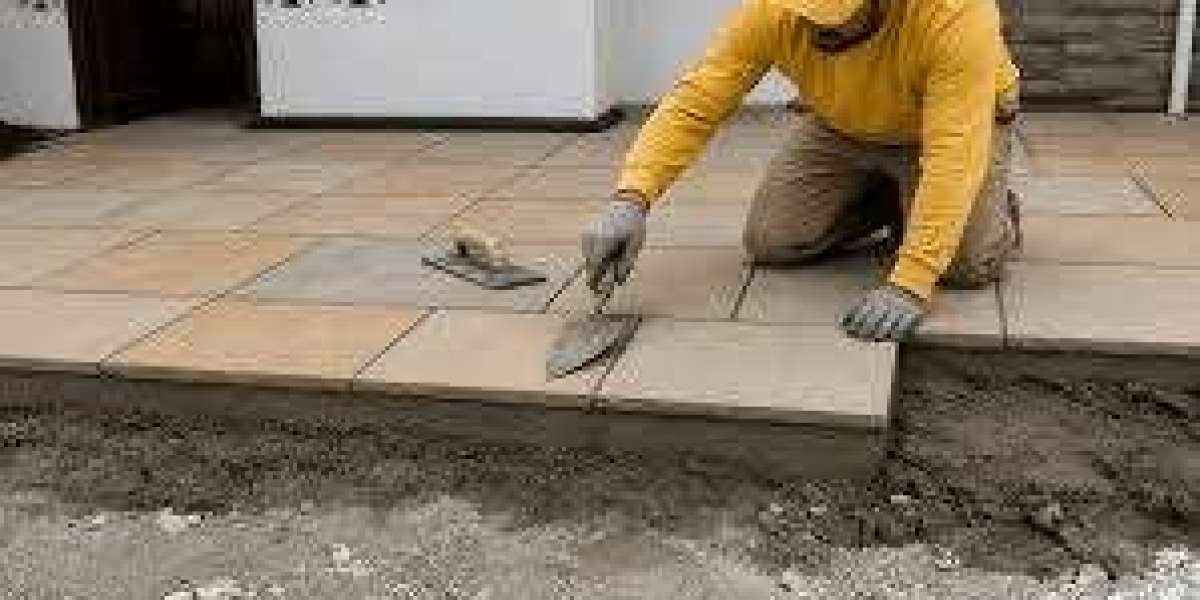
Good preparation and workmanship are essential for a durable sandstone patio. The existing ground should be assessed, unsuitable material removed and a suitable sub-base prepared. The laying method and bedding materials should be appropriate for the site conditions and the intended use of the patio.
A professional Indian Sandstone Installation should also account for slab selection, consistent spacing, suitable jointing and drainage. Taking care with these details helps create a level, attractive finish and reduces the likelihood of avoidable problems.
Once installed, sandstone benefits from routine cleaning to remove leaves, soil and general garden debris. Use cleaning products and methods suitable for natural stone, and avoid harsh treatments that could damage the surface. It is also sensible to check joints periodically and address any areas that show signs of movement or deterioration.
Coordinating Sandstone With Your Driveway
The patio is only one part of the property's exterior. A coordinated driveway can help create a more consistent appearance between the front entrance, garden and outdoor seating areas.
Homeowners may choose natural stone-inspired colours or complementary finishes to connect these spaces. An Imprinted Concrete Driveway can offer a patterned surface that works alongside sandstone landscaping, particularly when the colours and borders are selected carefully.
The aim is to create a balanced exterior where each surface complements the others without making the design feel too repetitive.
Conclusion
Indian sandstone offers traditional homes a natural and attractive paving option, with a choice of colours, patterns and layouts to suit different property styles. From warm buff and Autumn Brown shades to the varied tones of Raj Green, the right design can create a welcoming patio that connects beautifully with the surrounding garden. A professionally planned Indian Sandstone Installation can help achieve a neat, practical finish, while a complementary Imprinted Concrete Driveway can complete the property's exterior appearance. Contact Advanced Driveway Solutions to discuss your patio and driveway plans, explore suitable paving options and request a quotation for your outdoor improvement project.
Contact Advanced Driveway Solutions
Advanced Driveway Solutions
10 Altham Rd, Morecambe LA4 4UG, United Kingdom
Phone: +44 7944 680279