
When someone in your family is struggling with alcohol, drugs or tablets, the first few days feel confusing. You hear advice from relatives, neighbours and random websites, and everyone has a different opinion. Meanwhile, the clock keeps ticking and the person you love is getting weaker.
The good news is that help is available close to home. The harder part is picking the right place. Not every centre works the same way, and a wrong choice can cost you money, time and, worse, the person’s trust. This guide walks you through what to check, what to ask and what to avoid, in plain language.
First, Understand What Your Family Member Actually Needs
Before you search, sit down and note a few basic things. What substance is the person using? For how long? Are there any health issues like liver trouble, diabetes, high BP or depression? Have there been fits, violent behaviour or talk of self-harm?
These answers matter because a person who drinks heavily every day needs a very different start from someone who uses pills occasionally. Heavy alcohol or opioid use can cause serious withdrawal symptoms, so medical supervision is a must in such cases. If you walk into a centre already knowing the situation, you can judge whether they truly understand it or are only repeating a sales pitch.
Check the Registration and Licence
This is the least exciting step, but it is the most important. A genuine centre should be registered and should follow the rules laid down by the health authorities. Ask to see the paperwork. A trustworthy place will show it without fuss.
If the staff get irritated, change the topic or say “we’ll show it later,” treat that as a warning. Nobody should hand over a loved one to a place that cannot prove it is allowed to operate.
Look at the Treatment Approach
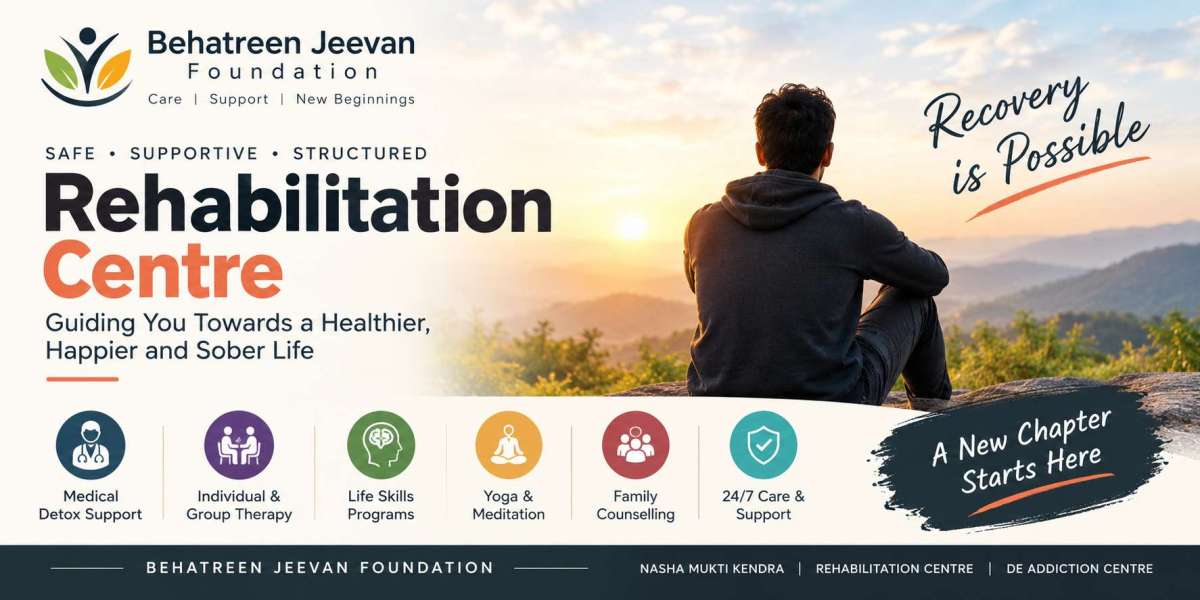
A good rehabilitation centre does not rely on just one method. Recovery has a physical side, a mental side and a social side, and all three need attention.
Here is what a balanced programme usually includes:
A proper detox programme under a doctor’s watch, so withdrawal is handled safely and with less pain.
Individual counselling, where the person can talk openly about triggers, stress and past experiences.
Group sessions, which help people realise they are not alone.
Yoga, exercise and a fixed daily routine, which rebuild sleep, appetite and discipline.
Treatment for other conditions, such as anxiety or depression, if they exist.
Be careful with anyone who promises a “100% cure in 7 days.” Recovery does not work like that, and an honest centre will tell you so.
Find Out Who Is Treating Your Loved One
Ask about the team. Is there a qualified doctor or psychiatrist? Are there trained counsellors or psychologists? Is a nurse available at night? Many families only meet the manager or the owner and never find out who actually handles the patients every day.
A simple question like “Who will be with my son at 2 a.m. if he feels unwell?” tells you a lot. The answer should be clear and specific, not vague.
Visit the Place Yourself
Photos on a website can be taken from anywhere. Visit in person if you can, and use your eyes and nose. Notice these things:
Are the rooms clean, airy and well lit?
Is the kitchen tidy and is the food fresh?
Are washrooms clean and working?
Do the residents look calm and cared for, or scared and silent?
How do the staff speak to patients?
Don’t hesitate to ask if you can speak to a few residents or their families. The way people behave when they think no one is judging them says more than any brochure. Choosing a Nasha Mukti Kendra in Faridabad is partly a matter of gut feeling, so if something about the place feels off, listen to that feeling.
Safety and Respect Matter
Every patient deserves dignity. Make sure the centre does not use force, threats, locked-room punishment or humiliation. Some places still believe that harsh treatment “teaches a lesson.” It does not. It only creates fear and resentment, and it often pushes the person back to old habits the moment they leave.
Ask about visiting rules too. Reasonable, scheduled family visits and phone calls are a good sign. A centre that completely cuts off contact without a clinical reason should make you think twice.
Family Involvement Is Not Optional
Many people believe that treatment is something that happens only to the patient. In reality, the whole household is affected, and the home environment can make or break recovery.
Good centres include family counselling as part of the plan. These sessions help relatives understand why the person behaves the way they do, how to stop blaming and shouting, and how to react when cravings return. If the centre never asks for your participation, that is a gap in the treatment.
Ask About Aftercare and Relapse Prevention
This is where many families get caught off guard. The first 30 to 90 days are only the beginning. The real test starts when the person comes back to their old friends, old routes and old stress.
Before you admit anyone, ask:
Is there a follow-up schedule after discharge?
Do they offer support groups or phone check-ins?
What is their plan for relapse prevention?
What should the family do if the person slips?
A slip does not mean failure. It means the person needs more support, and a responsible centre will not abandon you at that point.
Be Clear About Costs
Money talk can feel awkward, but do it early. Ask for a written fee structure that covers admission, stay, food, medicines, doctor visits, counselling and any extra charges. Find out what happens if the person leaves early or needs a hospital referral.
Higher price doesn’t always mean better care, and the cheapest option isn’t always safe either. What you want is transparency. If the quote keeps changing or the staff avoid giving anything in writing, step back.
Think About Location and Convenience
Faridabad is a big city, and travel can take time. A centre that is reasonably accessible from your home, whether you live near NIT, Ballabgarh or the Sector areas, makes it easier to attend family sessions and visit regularly. Staying involved matters more than people realise. At the same time, don’t choose a place only because it is nearby. Quality of care should always come first.
Warning Signs to Walk Away From
Trust your instincts and leave if you notice any of the following:
No clear licence or registration
Promises of guaranteed or instant results
Pressure to admit the person the same day
No qualified doctor or counsellor
Dirty rooms or poor food
Use of force, restraints or punishment
Refusal to let family meet or speak with the patient
Unclear or hidden charges
A Final Word
Choosing a Nasha Mukti Kendra in Faridabad is a big decision, and it is normal to feel nervous. Take a day or two to compare two or three places, ask questions without feeling embarrassed and involve another family member in the decision. You are not being rude by asking for proof or a written plan. You are being responsible.
Most importantly, talk to the person kindly. People recover far better when they feel supported instead of attacked. A good centre, an involved family and patience together can turn things around. If you are still unsure where to begin, start by talking to a doctor or counsellor, and you can shortlist a Nasha Mukti Kendra in Faridabad from there.
Frequently Asked Questions
1. How long does treatment at a rehabilitation centre usually take?
Most programmes run between 30 and 90 days, depending on the person’s health, the substance involved and progress. Some people need longer, followed by regular aftercare visits.
2. Can a person be admitted without their consent?
A voluntary admission works best, because willingness helps recovery. Families can talk calmly, involve a counsellor, and explain the benefits. Forced admission without proper procedure often backfires.
3. What documents should I ask a centre to show?
Ask for the registration or licence, staff qualification details, a written treatment plan, and a clear fee list. A genuine centre will share these without hesitation.
4. Is family counselling really necessary?
Yes. Family counselling repairs trust, teaches relatives how to respond during cravings, and reduces blame at home. Recovery lasts longer when the household supports the person after discharge.
5. What happens after the person leaves the centre?
Good centres provide aftercare: follow-up sessions, support groups, check-in calls, and relapse prevention guidance. This ongoing contact helps the person handle triggers during the first few difficult months.