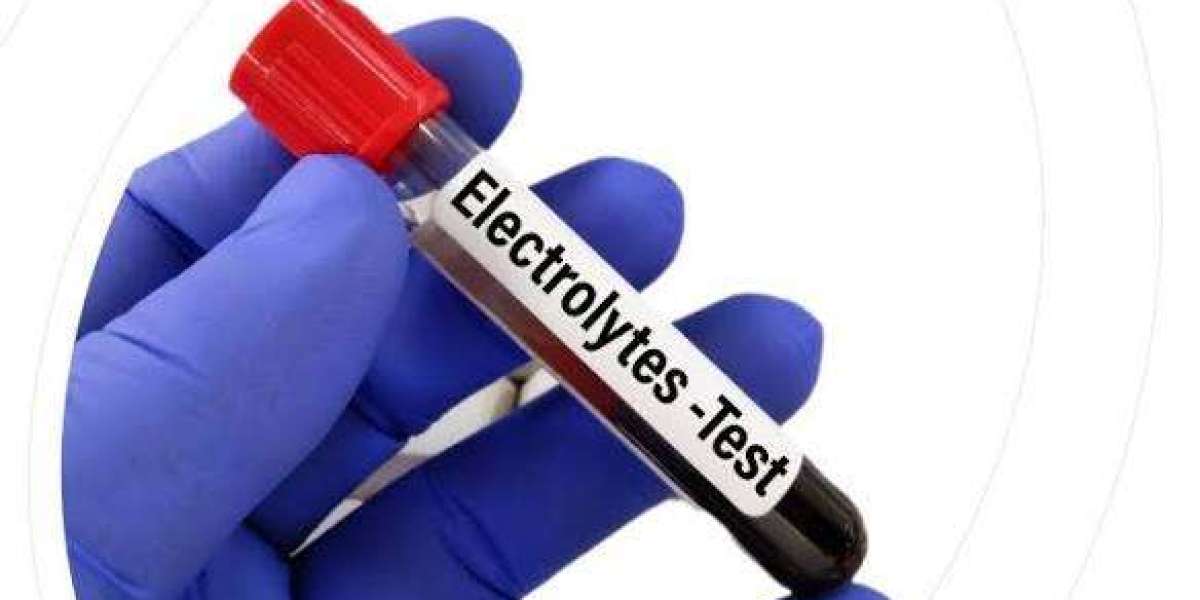

Electrolytes Test in Lahore
Maintaining good health requires more than eating nutritious food and staying physically active. The human body also needs a proper balance of essential minerals to perform its daily functions. These minerals, known as electrolytes, help regulate fluid levels, support muscle movement, maintain nerve communication, and keep the heart working normally. When their levels become too high or too low, different health problems may develop. An electrolytes test in Lahore can help identify these imbalances and provide useful information about the body's internal condition.
Whether someone is experiencing unusual weakness, muscle cramps, dehydration, or other unexplained symptoms, an electrolyte test can help a doctor understand what may be happening. It is a commonly recommended diagnostic investigation for people with certain medical conditions as well as those who need regular health monitoring.
What Is an Electrolytes Test and Why Is It Important?
An electrolytes test is a laboratory investigation that measures important minerals in the blood. These minerals carry electrical charges and help different organs and body systems function properly. Sodium, potassium, chloride, and bicarbonate are among the main components commonly included in an electrolyte panel.
The body needs these substances in balanced amounts. They help control the movement of water between cells, support muscle contractions, regulate the nervous system, and maintain the body's acid-base balance. Even a small change in their levels can affect normal body functions.
Doctors may recommend this test when a patient has symptoms that suggest dehydration, kidney problems, an electrolyte imbalance, or certain other medical conditions. It can also be included in routine investigations when a healthcare professional wants to assess general health.
Why People May Need an Electrolytes Test in Lahore
Many health conditions can affect the body's mineral balance. Excessive sweating, vomiting, diarrhoea, poor fluid intake, and certain medications may change electrolyte levels. Some people may also experience imbalances because of kidney or hormonal conditions.
An electrolytes test helps doctors investigate these changes instead of relying only on symptoms. For example, a person experiencing repeated muscle cramps may need an assessment of potassium, sodium, or other minerals. Similarly, someone suffering from persistent weakness or confusion may require blood investigations to identify possible underlying problems.
People living in Lahore may seek this test when advised by their doctors during routine checkups, hospital visits, or treatment monitoring. Having access to a reliable medical laboratory makes it easier to complete the investigation and discuss the findings with a healthcare professional.
Understanding the Main Electrolytes Measured in the Test
Sodium and Its Role in Fluid Balance
Sodium is one of the most important electrolytes in the human body. It helps regulate the amount of water inside and outside cells and supports normal nerve and muscle activity. The body carefully controls sodium levels to maintain proper fluid balance.
When sodium levels become too low or too high, a person may experience symptoms such as headache, tiredness, nausea, confusion, or muscle weakness. Severe changes can become dangerous and require immediate medical attention. Measuring sodium helps doctors understand whether the body's fluid regulation is working properly.
Potassium for Heart and Muscle Function
Potassium supports normal muscle contractions, nerve signals, and heart rhythm. The heart depends on a carefully controlled potassium level to maintain regular electrical activity.
Low potassium may contribute to weakness, muscle cramps, tiredness, or irregular heartbeats. High potassium can also affect the heart and may become a serious medical concern. Doctors may recommend potassium testing for people with kidney conditions, certain heart problems, or those taking medications that influence potassium levels.
Chloride for Maintaining Body Balance
Chloride works alongside sodium and other electrolytes to maintain fluid balance. It also plays an important role in controlling the body's acid-base condition.
Changes in chloride levels may occur because of dehydration, prolonged vomiting, kidney-related conditions, or other health issues. Measuring chloride gives doctors additional information when assessing a patient's overall electrolyte balance.
Bicarbonate for Acid-Base Regulation
Bicarbonate helps maintain the correct balance between acids and bases in the blood. This balance is necessary for normal cellular activity and healthy organ function.
Changes in bicarbonate levels may be associated with certain kidney, lung, or metabolic conditions. Doctors may review bicarbonate results alongside other blood tests to understand whether the body is maintaining a suitable acid-base balance.
Common Symptoms That May Lead to Electrolyte Testing
Electrolyte imbalances do not always produce obvious symptoms, particularly during their early stages. However, some people may notice unusual changes in their physical condition. Persistent tiredness, muscle weakness, repeated cramps, dizziness, nausea, and irregular heartbeats can sometimes be associated with electrolyte disturbances.
Severe dehydration may also affect mineral levels, especially when the body loses significant amounts of fluid through sweating, vomiting, or diarrhoea. In some cases, people may experience confusion, unusual drowsiness, or changes in their mental condition.
These symptoms can have several possible causes, so they should not automatically be considered signs of an electrolyte problem. A doctor can evaluate the symptoms and decide whether an electrolytes test or additional investigations are needed.
How an Electrolytes Test Is Performed
The procedure is generally simple and involves collecting a small blood sample from a vein in the arm. A trained laboratory professional cleans the collection area, applies a suitable technique, and draws the required sample into a collection tube.
The sample is then sent for laboratory analysis using appropriate diagnostic equipment. The laboratory measures the selected electrolyte levels and prepares a report for the patient or healthcare provider.
Most people complete the sample collection within a short time. Some may experience slight discomfort when the needle is inserted, but the procedure is usually straightforward. Following the instructions provided by the laboratory and healthcare professional can help ensure a smooth testing experience.
Is Fasting Required Before an Electrolytes Test?
Fasting is not always necessary for a basic electrolytes test. However, requirements can vary depending on whether the doctor has requested additional investigations along with the electrolyte panel.
For example, a patient may be advised to complete several blood tests during the same visit, and some of those investigations may have specific preparation requirements. It is therefore important to confirm the instructions before visiting the laboratory.
Patients should also inform their doctor or laboratory staff about their current medications and any relevant medical conditions. They should not stop prescribed medicines or change their usual treatment without professional advice.
The Importance of Accurate Laboratory Testing
Accurate results are essential because doctors use laboratory reports to understand a patient's condition and make treatment decisions. A reliable laboratory should follow proper sample collection procedures, maintain suitable testing conditions, and use appropriate equipment for analysis.
Correct sample handling is equally important. Blood samples must be collected, labelled, stored, and processed carefully to reduce the possibility of errors. Laboratory professionals should also follow established quality-control practices to maintain consistency.
When choosing an Electrolytes Test in Lahore, patients should consider the laboratory's testing facilities, professional staff, hygiene standards, and reporting process. A well-organised diagnostic environment can make the experience more comfortable and help support dependable testing.
Electrolytes Testing for Kidney Health
The kidneys play a major role in controlling electrolyte levels. They help remove excess minerals and maintain the correct amount of water in the body. When kidney function changes, the body's ability to regulate sodium, potassium, and other substances may also be affected.
For this reason, doctors frequently use electrolyte testing when assessing people with kidney-related conditions. The results may be considered alongside kidney function investigations, including creatinine and blood urea tests.
Regular monitoring can also help healthcare professionals observe changes during treatment. However, an electrolyte report alone cannot provide a complete diagnosis of kidney disease. A doctor must consider the patient's medical history, symptoms, examination, and other investigations.
Monitoring Electrolyte Levels During Medical Treatment
Some medical treatments and prescribed medicines can influence the body's mineral balance. Certain diuretics, for example, may affect sodium or potassium levels. Patients receiving treatment for kidney, heart, or other long-term conditions may therefore need periodic blood testing.
An electrolytes test helps healthcare professionals monitor these changes and assess whether further investigation is necessary. It may also be recommended when a patient experiences repeated dehydration or has a medical condition that affects fluid regulation.
The frequency of testing depends on the individual's health condition and treatment plan. Patients should follow their doctor's recommendations rather than arranging repeated investigations without a clear medical reason.
Choosing a Suitable Diagnostic Laboratory in Lahore
Selecting a suitable laboratory is an important part of the testing process. Patients should look for a facility that follows proper hygiene practices and has trained professionals for blood sample collection. A clean environment and organised procedures can make the experience easier, especially for children, older adults, and people who feel uncomfortable with blood collection.
Clear communication is another important factor. Laboratory staff should explain the sample collection process and provide preparation instructions when required. Patients should also receive a properly prepared report that can be shared with their healthcare provider.
For anyone searching for an electrolytes test in Lahore, choosing a professional diagnostic facility can help ensure that the investigation is handled with care and attention.
Understanding Your Electrolytes Test Report
After the laboratory completes the analysis, the patient receives a report showing the measured electrolyte levels. The report usually includes the laboratory's reference ranges, which help healthcare professionals assess whether the results fall within the expected limits.
A result outside the reference range does not always mean that a person has a serious illness. Several factors, including hydration status, medications, existing medical conditions, and laboratory methods, may influence the findings.
Patients should avoid diagnosing themselves based only on the numbers in a report. A qualified doctor can explain the results in relation to symptoms, medical history, and other test findings. If a result is significantly abnormal or accompanied by serious symptoms, prompt medical assessment is important.
Supporting Healthy Electrolyte Balance Through Daily Habits
Healthy daily habits can support the body's natural fluid and mineral balance. Drinking an appropriate amount of water, eating a varied diet, and replacing fluids after significant sweating can help maintain normal hydration.
Foods such as bananas, vegetables, dairy products, beans, and other nutritious options provide minerals that contribute to normal body functions. However, individual dietary needs can differ, especially for people with kidney or heart conditions.
Taking electrolyte supplements or using special hydration products is not necessary for everyone. Excessive intake of certain minerals can also create health problems. People with existing medical conditions should discuss dietary changes and supplements with their healthcare providers.
When Should You Consult a Doctor?
Anyone experiencing persistent weakness, repeated muscle cramps, unexplained dizziness, or other concerning symptoms should consider seeking medical advice. A doctor can determine whether an electrolyte panel is appropriate and whether other investigations are required.
People with ongoing kidney problems, certain heart conditions, or a history of significant fluid loss may also need regular monitoring. Severe confusion, fainting, chest pain, or an irregular heartbeat requires urgent medical attention rather than waiting for a routine laboratory appointment.
Conclusion: Get Better Health Insights with an Electrolytes Test in Lahore
Electrolytes play an essential role in maintaining fluid balance, supporting muscle activity, controlling nerve signals, and regulating heart function. When their levels become disturbed, the body may show different symptoms that require medical attention. An Electrolytes Test in Lahore provides useful information about important blood minerals and helps doctors investigate possible imbalances.
Choosing a reliable diagnostic laboratory, following the recommended preparation instructions, and discussing the report with a qualified healthcare professional are important steps in the testing process. With appropriate medical guidance and regular health monitoring when needed, patients can better understand their body's condition and make informed decisions about their healthcare.