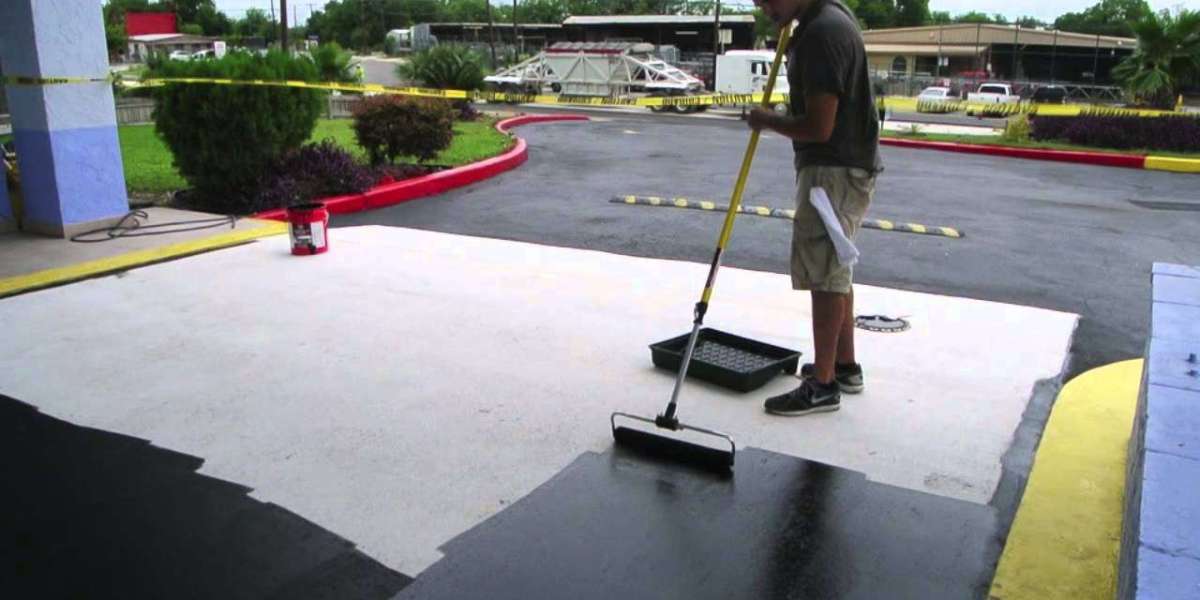

Commercial concrete floors face many challenges every day. Warehouses, factories, retail stores, and office buildings experience regular foot traffic, moving equipment, spills, moisture, and heavy loads. Over time, these conditions can damage concrete surfaces and make them harder to clean and maintain. Proper floor protection is important for keeping commercial spaces safe, clean, and attractive. Professional concrete sealing services help protect concrete surfaces from common damage while improving their durability and long-term performance.
How Concrete Sealing Services Protect Commercial Floors
Concrete sealing is a process that applies a protective product to a concrete surface. The purpose is to reduce the entry of moisture, stains, oils, and other unwanted materials into the floor. Different sealing products provide different levels of protection depending on the building's needs.
Concrete is a strong building material, but it contains small pores that can absorb liquids and collect dirt. Without suitable protection, repeated exposure to moisture and contaminants can affect its appearance and condition.
A properly selected sealer helps create a protective barrier or penetrates the concrete to provide resistance against certain substances. This makes sealing a useful option for commercial properties that need durable and easier-to-maintain flooring.
Main Benefits of Professional Concrete Sealing
Sealing concrete provides several advantages for commercial and industrial properties. The right product can help maintain the surface and reduce common flooring problems.
1. Protection Against Stains
Concrete floors in warehouses, garages, factories, and commercial kitchens may come into contact with oils, chemicals, food spills, and other substances. These materials can leave difficult stains on untreated surfaces. A suitable sealer helps reduce absorption and makes many spills easier to clean.
2. Reduced Moisture Penetration
Moisture can enter concrete through its pores and contribute to surface problems. Some sealing products help limit water absorption and protect floors from certain moisture-related issues. However, the correct product must be selected according to the concrete condition and the source of moisture.
3. Improved Surface Durability
Commercial floors experience repeated pressure from vehicles, equipment, and daily movement. Certain protective systems can help improve resistance to wear, abrasion, and surface damage. This can support better floor performance in busy environments.
4. Easier Cleaning and Maintenance
A properly sealed surface can be easier to clean because dirt and some contaminants are less likely to enter the concrete. Cleaning teams can maintain the floor more efficiently with suitable cleaning products and regular care.
5. Better Floor Appearance
Concrete sealers can improve the overall appearance of commercial floors. Depending on the selected product, they may provide a natural, matte, or glossy finish. This can help create a cleaner and more professional environment for employees and visitors.
Why Commercial Buildings Need Proper Floor Protection
Different commercial environments have different flooring requirements. Choosing the right protection depends on how the building is used and what types of activities take place on the floor.
Warehouses require durable surfaces because forklifts, pallet jacks, and storage equipment move across the floor throughout the day. Manufacturing facilities may need additional protection against oils, chemicals, and regular industrial activity.
Retail stores and shopping centers benefit from attractive floors that can handle continuous customer traffic. Offices and institutional buildings also need clean surfaces that remain presentable with regular use.
Suitable floor protection helps property managers maintain their buildings while reducing unnecessary repair and maintenance work.
Understanding Densified Concrete Floors
Concrete densification is another important process used to improve the performance of commercial flooring. It involves applying a chemical treatment that reacts with materials inside the concrete to create additional calcium silicate hydrate.
This reaction helps fill small spaces within the concrete and increases surface hardness. Unlike a traditional coating, a densifier works inside the concrete rather than simply forming a protective layer on top.
Densified concrete floors are often selected for warehouses, manufacturing facilities, and other busy commercial environments. They can provide improved resistance to everyday wear and help reduce concrete dusting.
Densification and sealing serve different purposes. A densifier strengthens the concrete internally, while a sealer provides additional protection according to the product's properties. Both treatments may be considered as part of a flooring plan when suitable.
The Importance of Concrete Densification Before Sealing
Proper preparation plays an important role in achieving good flooring results. Concrete densification can improve the hardness of suitable concrete surfaces before additional finishing treatments are considered.
A densifier reacts with the concrete and helps reduce dust caused by surface deterioration. This can make the floor more suitable for polishing and certain protective finishing systems.
However, the order of treatments is not always the same for every project. Some sealers require specific surface conditions, while certain products may not be compatible with one another. Professionals should check the manufacturer's instructions before combining treatments.
Choosing the correct preparation and application method helps prevent product failure and supports better long-term results.
Different Types of Concrete Floor Sealers
There are several types of products available for protecting concrete. Each one offers different features and is suitable for particular applications.
Penetrating Sealers
Penetrating sealers enter the concrete and provide protection within its pores. They are often used when property owners want to maintain the natural appearance of the surface.
Acrylic Sealers
Acrylic products form a protective film over the concrete. They are available in different finishes and can improve the appearance of floors while providing protection against certain stains and moisture.
Epoxy Protective Systems
Epoxy systems create a durable coating that can provide resistance against chemicals, abrasion, and regular wear. They are commonly used in industrial and commercial environments where stronger surface protection is required.
Choosing the Right Product
The best product depends on floor condition, expected traffic, moisture exposure, cleaning requirements, and desired appearance. A professional assessment can help property owners select an appropriate option.
Professional Concrete Densifying and Sealing Process
A successful flooring project requires careful planning and proper application. The following steps help ensure that the treatment is suitable for the concrete surface.
1. Initial Floor Inspection
Professionals inspect the concrete to identify cracks, stains, moisture concerns, old coatings, and damaged areas. This helps determine which preparation methods are required.
2. Surface Cleaning and Preparation
Dirt, grease, dust, and other contaminants must be removed before treatment. Grinding may also be necessary to remove old coatings and create the correct surface profile.
3. Applying the Densifier
When required, a suitable densifying product is applied according to the manufacturer's instructions. The treatment needs sufficient time to react with the concrete.
4. Applying the Selected Sealer
After the required preparation and treatment, the selected sealer is applied using the recommended method. Proper coverage and application conditions help achieve consistent results.
5. Final Inspection and Maintenance
The completed floor is inspected to check its appearance and finish. Property owners should follow suitable cleaning instructions and maintenance schedules to protect the treated surface.
Frequently Asked Questions
1. What are concrete sealing services?
These services involve preparing and applying suitable protective products to concrete floors. They help reduce the absorption of moisture, stains, and contaminants while improving floor maintenance.
2. How long does concrete floor sealer last?
The lifespan depends on the product, surface preparation, traffic levels, and maintenance. Some products require more frequent reapplication than others.
3. Does sealing concrete prevent moisture damage?
Certain sealers reduce water absorption, but they do not solve every moisture problem. The source of moisture should be identified before choosing a treatment.
4. Should concrete be densified before sealing?
It depends on the concrete condition and the products being used. Some projects benefit from densification, while others require a different preparation and finishing method.
5. Is sealing necessary for commercial concrete floors?
Not every commercial floor requires sealing, but it can be useful where protection against stains, moisture, and contaminants is important.
Conclusion
Protecting commercial concrete floors is an important part of maintaining a clean, durable, and professional building environment. The right treatment can help reduce staining, limit moisture absorption, improve maintenance, and support long-term surface performance. Proper inspection and preparation are equally important when selecting a flooring solution. Property owners looking for professional concrete grinding, polishing, and floor protection solutions can consider All West Surface Prep for assistance with their commercial flooring projects. With suitable products and professional application, concrete floors can remain attractive, practical, and reliable for years.