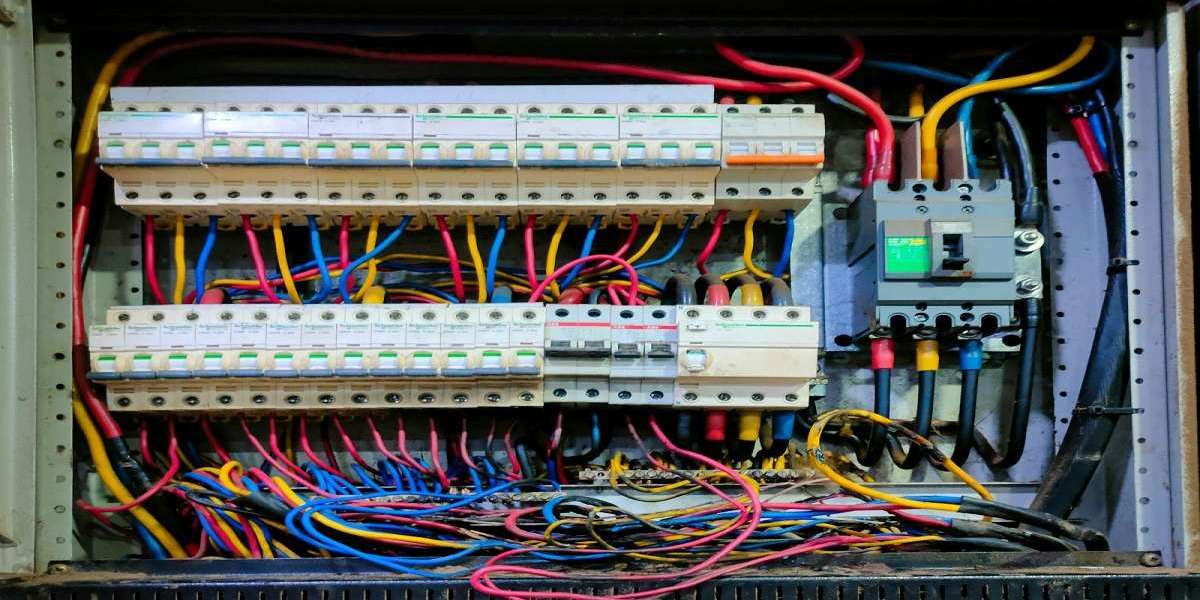

If you let a flat or house in East London, an electrical safety check is not a box-ticking exercise. It is a legal duty, a safeguard for your tenants and a key part of protecting your investment. Yet many landlords choose an inspector on price alone and end up with a vague report, surprise extra charges or, worse, a certificate that does not stand up to scrutiny. Getting an EICR in Tower Hamlets done properly starts with asking the right questions before you book anyone.
Why Landlords in East London Need an Electrical Safety Report
An EICR in Tower Hamlets is a formal assessment of the fixed wiring in a property. It covers the consumer unit (fuse box), circuits, sockets, light fittings, earthing and bonding. The inspector tests the installation against BS 7671, the UK wiring standard, and records anything that is damaged, deteriorating or potentially dangerous.
In England, the Electrical Safety Standards in the Private Rented Sector Regulations 2020 require landlords to have the installation inspected at least every five years, or sooner if the previous report says so. You must give tenants a copy within 28 days and provide it to the local authority if asked. Councils can issue penalties of up to £30,000 for breaches, so a rushed or poorly documented inspection is a real financial risk.
Tower Hamlets has a dense mix of Victorian terraces, converted warehouses, ex-council flats and new-build apartments around Canary Wharf and the Isle of Dogs. Each presents different wiring challenges, which is why who you hire matters as much as the certificate itself.
8 Questions to Ask Before You Hire
1. Are You Registered With a Recognised Competent Person Scheme?
Start here. Reputable electricians belong to a scheme such as NICEIC, NAPIT or Stroma. Membership means their work is periodically assessed, and you can usually verify it on the scheme's online register in under a minute.
Ask for their registration number and check it yourself. If someone is vague or says "we don't need that for inspections," keep looking. While the law does not name a specific scheme for reports, registration is the simplest proof of competence.
2. What Qualifications Do the Inspectors Hold?
Carrying out an electrical inspection is a different skill from installing a socket. The person signing your report should hold a recognised periodic inspection and testing qualification, such as City & Guilds 2391 or the newer 2394/2395 pairing, alongside the current 18th Edition wiring regulations certificate.
A good follow-up is: "Who will actually attend the property, and are they the person who signs the report?" Some firms send a junior and have someone else sign off remotely. You want the qualified inspector on site.
3. Do You Carry Public Liability and Professional Indemnity Insurance?
Testing involves isolating circuits and sometimes lifting floorboards or removing accessories. Accidents are rare, but they happen. A trustworthy contractor will have public liability insurance, and ideally professional indemnity cover too, and will happily send you the certificate.
This is especially important in flats, where a mistake could affect neighbouring properties. Ask for the policy limit and check the expiry date.
4. What Exactly Is Included in Your Quote?
Price comparisons are meaningless unless you compare like with like. A suspiciously cheap quote often excludes things that you will pay for later, such as extra circuits, a second visit or the written report itself.
Ask these specifics:
Is the price fixed, or based on the number of circuits?
Does it cover all distribution boards, including any in communal areas that serve your flat?
Are the report and any remedial quotes included?
Is there a call-out fee if access is delayed?
As a rough guide, a one-bedroom London flat typically costs around £150 to £250 for an inspection, rising for larger properties or those with several consumer units. Treat these figures as indicative, because prices vary by firm and property.
5. How Do You Classify and Explain Faults?
Your report will use observation codes: C1 (danger present), C2 (potentially dangerous), C3 (improvement recommended) and FI (further investigation required). A C1, C2 or FI code means the report is "unsatisfactory", and you must act.
A good inspector explains each code in plain English and does not just hand you a page of jargon. Ask how they would handle a borderline observation. Honest inspectors do not inflate C3s into C2s to generate repair work, and they do not downgrade genuine hazards to keep you happy.
6. How Long Will It Take, and Will the Power Be Off?
Most one- or two-bedroom flats take two to four hours, and larger houses can take a full day. Testing requires the supply to be switched off for periods, so tenants need notice.
Ask the electrician to plan around your tenants. Will they isolate one circuit at a time? Will they advise on fridges, freezers, medical equipment or home-working setups? A considerate approach avoids complaints and keeps access arrangements smooth.
7. Do You Have Experience With EICR in Tower Hamlets Properties?
Local knowledge is worth more than most landlords realise. Older Bow and Stepney terraces often have mixed wiring generations, rubber-insulated cables or missing earth conductors. Former warehouse conversions in Shoreditch fringes and Limehouse can have unusual distribution layouts. Newer Canary Wharf developments may involve managing agents, building access rules and communal risers.
Ask for examples of similar properties they have inspected and how they handled any common problems. An inspector who has seen forty Victorian conversions will spot issues faster than one who mostly works on suburban semis. They will also understand Tower Hamlets Council's licensing expectations for houses in multiple occupation (HMOs) and other licensed rentals.
8. What Will I Receive, and How Quickly?
A proper report should be delivered promptly, usually within 24 to 48 hours. It should include the inspector's details, a schedule of circuits and test results, clear observation codes and a final verdict of "satisfactory" or "unsatisfactory".
Check that it identifies the correct address and the extent of the installation covered. You will need to keep it for the next inspection and hand copies to tenants, so a clean digital version is a bonus.
What Happens If Your EICR in Tower Hamlets Is Unsatisfactory?
An unsatisfactory result is not a disaster, but it does start a clock. You must complete the required remedial work within 28 days, or sooner if the report specifies. Afterwards, you need written confirmation from a qualified person that the work is done, and you must send it to your tenants and the council if requested.
Ask the electrician upfront how they handle this stage:
Do they provide a written remedial quote?
Can they complete urgent repairs on the day?
Will they reissue or update the paperwork after the work?
Be cautious of any firm that pressures you into signing off expensive work immediately. You are entitled to get a second quote for the remedial work, provided you stay inside the legal deadline.
Red Flags to Watch Out For
Some warning signs are easy to spot once you know them:
No verifiable registration or insurance
A price far below every other quote
Reluctance to name the person who will attend
No sample report to show you
Pressure to approve repairs on the spot
A report that arrives with no test results attached
If two or more of these appear, move on.
Choosing an inspector is not complicated once you know what to ask. Check their registration, qualifications and insurance, insist on a clear quote, make sure they explain observation codes honestly and look for genuine local experience. Do that, and your EICR in Tower Hamlets becomes a straightforward compliance step rather than an expensive headache. At London Property Inspections, we believe landlords deserve clear reports, fair pricing and practical advice, so you always know exactly where your property stands.
Frequently Asked Questions
1. How often do I need an EICR for a rental property?
At least every five years in England, or sooner if the previous report recommends a shorter interval. You should also arrange one at the start of any new tenancy if the existing report is older than the legal limit or has expired.
2. Who can legally carry out an EICR?
The law requires a "qualified and competent" person. In practice, that means an electrician with periodic inspection qualifications, current knowledge of BS 7671 and ideally registration with a scheme such as NICEIC or NAPIT.
3. What happens if I ignore the requirement?
The local authority can impose a financial penalty of up to £30,000 per breach. Non-compliance can also invalidate your insurance and weaken your position if a tenant makes a claim after an electrical incident.
4. Is a C3 code a fail?
No. C3 means an improvement is recommended but the installation is not considered dangerous. Only C1, C2 and FI observations make a report unsatisfactory. It is still sensible to address C3 items during routine maintenance.
5. Do I need a new EICR when a tenant moves out?
Not necessarily. A valid report remains in force until its expiry date, provided no significant electrical work has been done and the report did not state an earlier retest date. You must give the existing report to each new tenant before they move in.