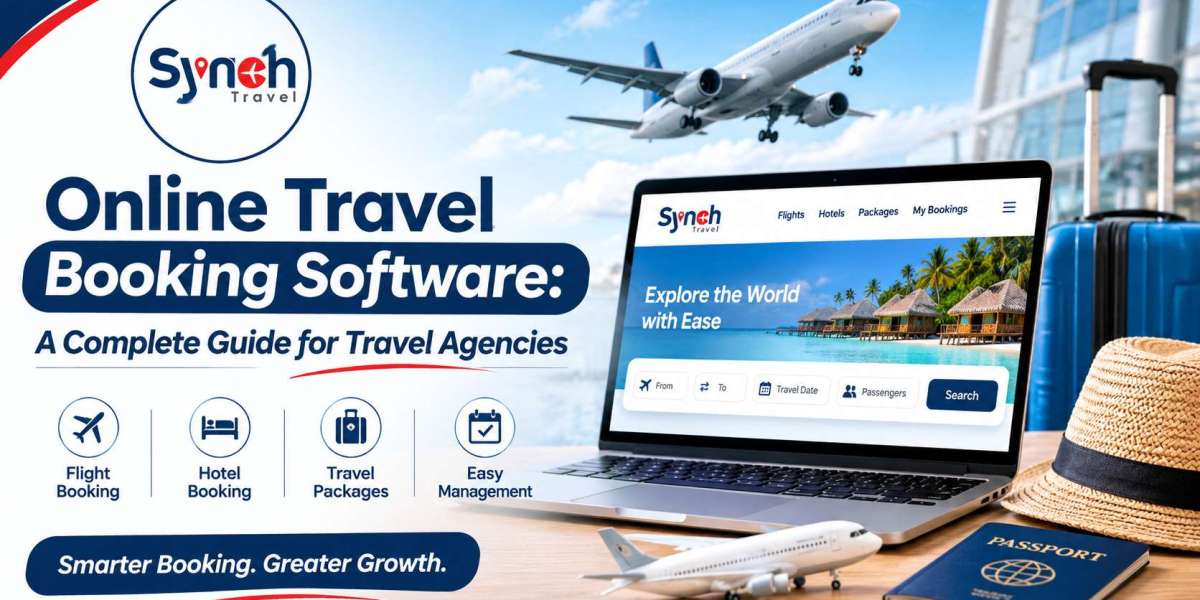

Planning a trip involves several decisions, from selecting a destination and comparing travel options to arranging accommodation, managing reservations, and keeping important details organized. For travel agencies, handling these activities for multiple customers can become time-consuming, particularly when booking information is spread across different platforms.
Online travel booking solutions help simplify this process by bringing essential travel arrangements into a more organized digital environment. They allow travel businesses to manage reservations, present available services, handle customer requests, and coordinate different parts of a journey.
For customers, the convenience comes from being able to explore travel options and submit booking requests without unnecessary communication or complicated procedures. For travel agencies, these systems provide better visibility over daily operations and help reduce repetitive administrative work.
Understanding how these solutions work, which features matter, and how to choose the right platform can help travel businesses improve their booking experience while keeping their operations manageable.
What Are Online Travel Booking Solutions?
Online travel booking solutions are digital platforms that help travel businesses manage and process reservations through websites or connected booking systems.
Depending on the platform, they may support flight reservations, hotel bookings, holiday packages, transportation services, and other travel-related arrangements.
A typical system allows customers or travel agents to search for services, review available options, enter traveler information, and proceed with a reservation. The business can then manage booking details, payment information, and customer records through its administrative interface.
Some platforms are designed for direct customer bookings, while others provide tools for travel agents, tour operators, and businesses working with multiple suppliers.
The main purpose is to connect different booking activities within a structured process rather than relying entirely on manual communication and separate records.
Why Convenient Booking Matters for Travel Planning
A complicated booking experience can create unnecessary difficulties for both customers and travel professionals.
Imagine a family planning a holiday. They need accommodation, suitable transportation, travel dates, and information about available packages. If every detail requires separate enquiries and repeated communication, arranging the trip can take longer than expected.
A well-designed booking platform makes these steps easier to follow.
Customers can review available options, compare relevant details, and provide their requirements through a clear interface. Travel agents can access the submitted information and continue with the reservation process.
Convenience also means keeping information understandable. Travelers should be able to identify what they are booking, what is included, what they need to pay, and which conditions apply.
For travel agencies, this clarity can reduce misunderstandings and make customer communication more efficient.
How Digital Booking Systems Simplify Travel Arrangements
One of the main advantages of a connected booking environment is that it organizes several activities within one workflow.
Instead of managing every enquiry independently, agencies can use a structured process to receive requests, review services, create reservations, and maintain customer information.
For example, a customer interested in a holiday package may submit travel dates, destination preferences, and the number of travelers. The agency can review the requirements, prepare suitable options, and manage the reservation using the available system features.
Businesses exploring ways to improve these processes can consider Online Travel Booking Solutions when evaluating technology for managing travel enquiries and reservations.
The actual level of automation depends on the platform, its integrations, and the agency's business requirements. A booking request, for instance, should not automatically be treated as a confirmed reservation unless the relevant availability and payment conditions have been satisfied.
Essential Features That Make Booking More Convenient
Not every platform offers the same capabilities. Travel businesses should focus on features that solve practical problems and support their daily booking activities.
Simple Search and Booking Interface
Customers should be able to find relevant travel services without navigating through confusing menus.
Search filters, clear service descriptions, travel dates, and understandable booking steps help customers make informed decisions.
A mobile-friendly interface is also important because many travelers explore services and manage enquiries using smartphones.
Centralized Reservation Management
A central reservation dashboard allows employees to review booking information from one location.
It should make important details accessible, including customer information, travel dates, selected services, payment status, and reservation progress.
This can be especially useful when several employees are responsible for different stages of the same booking.
Availability and Pricing Information
Accurate availability is essential when customers are comparing travel options.
Where supplier connections or booking APIs are available, the system can retrieve relevant availability and pricing information. Businesses should understand how these connections work and whether prices are refreshed before a reservation is confirmed.
Clear pricing also helps customers understand the difference between available options.
Secure Payment Processing
Online payment functionality makes it easier for customers to complete transactions through supported payment methods.
Travel businesses should consider payment gateway integration, transaction records, refund handling, and appropriate security controls.
The payment process should clearly communicate the amount due and whether a reservation has been successfully confirmed.
Automated Notifications
Booking notifications help customers stay informed about important updates.
Depending on the platform, these may include enquiry acknowledgements, reservation confirmations, payment updates, and reminders.
Automatic communication reduces the need for employees to send every routine update manually while keeping customers aware of their booking progress.
Different Booking Requirements for Different Travel Businesses
The right booking system depends on the type of services a business provides. A platform suitable for a small travel agency may not meet the operational requirements of a larger tour operator.
Travel Agencies
Travel agencies generally manage individual customer enquiries, flight arrangements, hotel reservations, and holiday packages.
They need a system that supports quotation preparation, reservation tracking, customer records, and communication.
A centralized workflow helps employees manage multiple enquiries without losing important details.
Tour Operators
Tour operators often work with predefined packages, planned itineraries, accommodation arrangements, and transportation services.
Their booking system should make it easier to manage package information, departure dates, availability, and customer reservations.
The ability to update package details and monitor booking activity is particularly useful when managing several travel products.
Online Travel Businesses
Businesses that receive bookings directly through their websites need a smooth customer-facing experience.
Their priorities may include search functionality, mobile compatibility, online payment processing, booking confirmations, and website integration.
The booking process should be straightforward enough for customers to understand without requiring constant assistance.
Corporate Travel Providers
Corporate travel providers may need additional features for business accounts, employee reservations, approval workflows, and travel reporting.
Their platform should support organized booking management while allowing the business to maintain control over company-related travel activities.
The Role of Customer Management in Travel Bookings
A reservation is only one part of the customer relationship. Travel agencies also need to maintain communication before, during, and sometimes after a trip.
Customer relationship management tools help organize contact details, enquiry history, previous bookings, and follow-up activities.
For example, a traveler who previously booked a family holiday may contact the agency again for another trip. Having access to the customer's earlier preferences can help the agent understand the request more quickly.
Connecting booking software with a travel CRM can also reduce duplicate information.
Employees can review customer records alongside booking details, making it easier to understand the full history of an enquiry.
This connection is particularly valuable for businesses that handle repeat customers or receive enquiries through multiple communication channels.
How Automation Supports Better Booking Operations
Automation can remove repetitive steps from the booking process and give employees more time to focus on customer requirements.
Consider a customer who submits a reservation enquiry through a travel website. The system may automatically record the request, send an acknowledgement, and assign it to the relevant employee.
When the agent updates the booking status, the system may trigger another notification or create a reminder for the next action.
Other useful applications include payment reminders, quotation follow-ups, customer notifications, and booking reports.
However, automation should be introduced carefully. Travel arrangements can involve changing availability, special requests, cancellations, and supplier conditions. These situations may require human review before any action is finalized.
The most effective approach combines automated routine tasks with employee supervision where accuracy and personal judgment matter.
How Synch Travel Fits Into a Connected Booking Process
Choosing travel technology should begin with understanding the operational challenges of the business.
Some agencies may need better reservation management, while others may want to organize customer information, improve booking coordination, or simplify the way travel services are presented online.
Synch Travel is relevant to businesses exploring travel technology for managing booking-related activities and improving their operational workflow.
When evaluating a platform, agencies should look beyond its feature list and understand how its functions fit into their actual business processes.
A useful system should make everyday tasks easier for employees while providing customers with a more organized way to explore and arrange travel services.
What Should You Check Before Selecting a Booking Platform?
Selecting a booking solution requires careful evaluation. The cheapest option is not always the most suitable, and a platform with numerous features may still be difficult to operate.
Before making a decision, consider the following areas:
Business requirements: Identify whether the system supports your main services, such as flights, hotels, packages, or corporate reservations.
Integration capabilities: Check whether it connects with the suppliers, payment gateways, and business tools you currently use or plan to introduce.
Ease of use: Both employees and customers should be able to understand the booking process without unnecessary complications.
Customization: Consider whether the platform allows you to manage your services, pricing, booking procedures, and customer-facing experience appropriately.
Data security: Review user permissions, customer information handling, payment security, and available data protection measures.
Technical support: Understand what assistance is provided during setup, training, and ongoing system use.
A live demonstration can help you understand how the platform handles actual booking activities. Test the complete process rather than judging the software only by its appearance.
Common Challenges and How to Avoid Them
Introducing a booking system does not automatically solve every operational problem. Businesses should prepare for the practical challenges that can arise during implementation.
One common issue is incomplete or outdated information. If service details, prices, or customer records are not maintained properly, the software may still produce an unsatisfactory booking experience.
Another challenge is choosing a platform without understanding its integration requirements. Some functions may depend on external suppliers or additional configurations.
Employee training is equally important. Staff members should understand how to create reservations, update records, process relevant requests, and handle exceptions.
Businesses should also test different booking scenarios before making the system available to customers. This includes successful reservations, unsuccessful payments, booking changes, and cancellation requests.
A structured implementation process makes it easier to identify problems and establish reliable working procedures.
Conclusion
Online travel booking technology makes trip planning more convenient by organizing reservations, customer information, payments, and communication within a connected workflow.
For travelers, the benefit is a clearer and easier way to explore services and arrange journeys. For travel businesses, the value comes from better booking visibility, reduced repetitive work, and more organized customer management.
The right platform should match the agency's business model, support its essential services, and provide a straightforward experience for both employees and customers.
Rather than choosing software based only on the number of features, travel businesses should focus on practical usability, integration, accurate booking information, and long-term operational needs. These factors create a stronger foundation for managing reservations and delivering a more convenient travel planning experience.