
Understanding Sebaceous Cysts
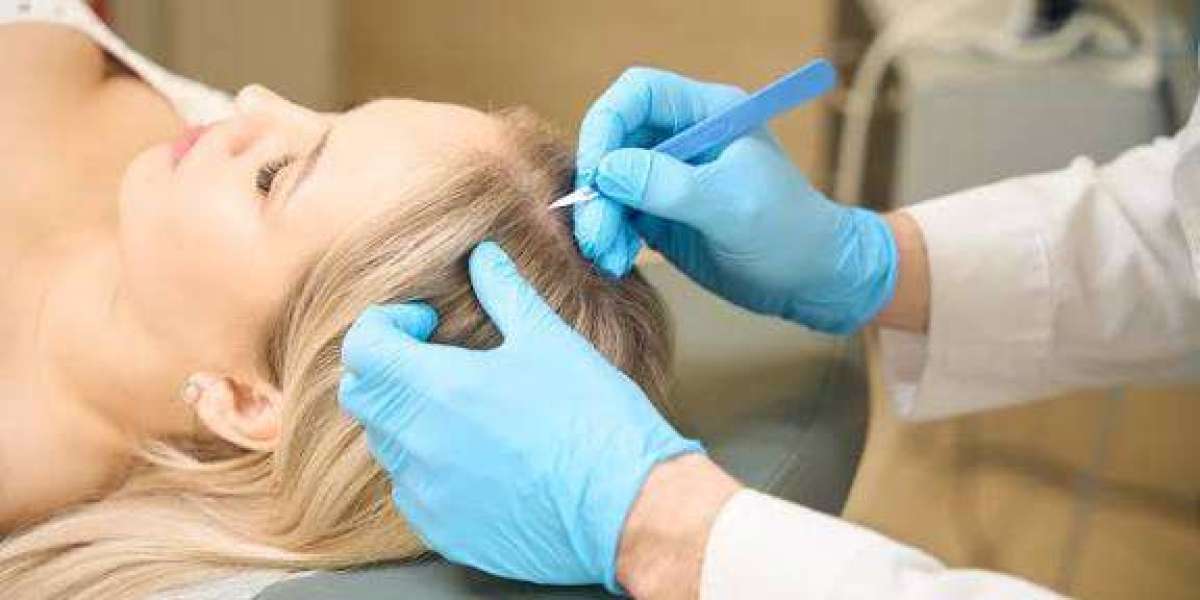
A sebaceous cyst is a small, usually non-cancerous lump that develops beneath the skin. It commonly appears on the face, neck, back, chest, or scalp and may grow slowly over time. Many lumps commonly called sebaceous cysts are actually epidermoid cysts. These develop when skin cells become trapped beneath the surface and form a sac containing keratin, a protein naturally found in the skin, hair, and nails. The appropriate Treatment of Sebaceous Cyst depends on the lump's size, location, symptoms, and whether it has become inflamed or infected.
Most cysts are harmless and do not require immediate medical intervention. Some remain unchanged for years, while others gradually increase in size or become uncomfortable. A cyst may also become inflamed, resulting in redness, swelling, tenderness, or discharge. Although these lumps are usually benign, their appearance and tendency to return can cause concern.
Understanding why cysts develop and what causes them to return is important when choosing an appropriate management approach. Simply removing the material inside a cyst may not be enough to prevent another lump from forming in the same location. The underlying cyst wall also plays an important role.
What Causes Sebaceous Cysts?
Sebaceous and epidermoid cysts usually form when skin cells become trapped beneath the surface rather than shedding normally. These cells continue producing keratin, which gradually collects inside a small sac. As the material accumulates, the sac becomes larger and creates a visible or noticeable lump.
Several factors may contribute to cyst formation:
● Blocked hair follicles: A blocked follicle can interfere with normal skin-cell movement and contribute to cyst development.
● Skin injuries: Cuts, scratches, or other injuries may cause skin cells to become trapped beneath the skin.
● Inflammation: Certain inflammatory skin conditions may increase the likelihood of cyst formation.
● Genetic factors: Some inherited conditions can make individuals more likely to develop multiple cysts.
● Previous skin problems: Acne and other conditions affecting hair follicles may sometimes be associated with cyst development.
A cyst can develop without an identifiable cause. Its presence does not automatically indicate poor hygiene or a serious medical condition.
Common Signs and Symptoms
The appearance of a cyst can vary depending on its size, location, and condition. However, several common features may help identify one.
These include:
● A round lump beneath the skin.
● Slow growth over several weeks or months.
● A soft or slightly firm texture.
● A small opening or central point on the surface.
● White or yellowish material inside the cyst.
● Mild tenderness when pressure is applied.
Some cysts remain painless, while others become irritated or inflamed. When inflammation or infection develops, the surrounding skin may become red, warm, swollen, and painful. Discharge may also occur.
A lump that grows quickly, bleeds, changes appearance, or becomes increasingly painful should be examined by a healthcare professional. Not every lump beneath the skin is a cyst, so an accurate diagnosis is important before choosing a treatment.
How Treatment of Sebaceous Cyst Helps Reduce Recurrence
Preventing recurrence requires understanding the structure of the cyst. A cyst generally consists of a surrounding wall or sac and the material collected inside it. Removing only the contents may temporarily reduce its size, but the remaining wall can continue producing keratin.
This is one reason some cysts return after drainage. The opening created during drainage allows the accumulated material to escape, but it may leave the lining beneath the skin. Over time, the sac can fill again and produce another noticeable lump.
A more definitive approach may involve removing the cyst wall completely. When the entire sac is successfully removed, there is less opportunity for the same cyst to reform. However, recurrence is still possible, particularly when the cyst has ruptured, become inflamed, or cannot be removed completely.
The aim of appropriate management is therefore not simply to make the lump smaller. It is to address the underlying structure, manage inflammation when present, and support proper healing.
Treatment Options and Their Role in Preventing Recurrence
Different cysts require different approaches. A small, painless lump may only need observation, while a repeatedly inflamed or bothersome cyst may require a medical procedure.
1. Observation and Monitoring
A small cyst that does not cause discomfort may not require immediate removal. A healthcare professional may recommend monitoring its size, appearance, and symptoms.
Observation can be suitable when:
● The cyst is small and painless.
● There are no signs of infection.
● It does not interfere with daily activities.
● Its appearance is not causing significant concern.
Monitoring does not remove the cyst or guarantee that it will never grow. It is simply an appropriate option when intervention is unnecessary.
Individuals should avoid repeatedly touching, squeezing, or pressing the lump. These actions may irritate the surrounding skin and increase the risk of inflammation.
2. Warm Compresses
Warm compresses may help soothe mild discomfort associated with an irritated cyst. Applying a clean, comfortably warm cloth can provide temporary relief and may encourage natural drainage if the cyst has already developed an opening.
To use a warm compress:
1. Soak a clean washcloth in comfortably warm water.
2. Remove excess water.
3. Place the cloth gently over the affected area.
4. Leave it in place for approximately 10–15 minutes.
5. Repeat a few times daily if it provides relief.
The cloth should never be hot enough to burn the skin. A clean cloth should be used each time.
Warm compresses do not remove the cyst wall and therefore cannot reliably prevent recurrence. If swelling, redness, or pain increases, medical advice should be obtained.
3. Professional Drainage
When a cyst becomes swollen and painful, a healthcare professional may recommend draining its contents. This procedure involves making a small opening and allowing the collected material to escape.
Drainage can reduce pressure and provide temporary relief, especially when a cyst has become inflamed. However, it does not necessarily remove the entire sac. Because the lining may remain beneath the skin, Treatment of Sebaceous Cyst through drainage alone may not prevent the same lump from returning.
If the cyst lining remains, it may continue producing keratin and gradually refill. A clinician may therefore recommend complete removal after the inflammation has settled.
Never attempt to drain a cyst at home using a needle, blade, or other sharp object. This can cause bleeding, infection, scarring, and damage to surrounding tissue.
4. Complete Surgical Excision
Surgical excision is commonly considered when a cyst needs to be removed completely. During this procedure, a healthcare professional makes an incision and removes the cyst, including its surrounding wall when possible.
It may be recommended when:
● The cyst repeatedly returns.
● It continues growing.
● It causes pain or discomfort.
● It interferes with normal activities.
● It creates a cosmetic concern.
● Previous drainage has not provided a lasting result.
The procedure is generally performed under local anaesthesia. The exact technique depends on the cyst's size, location, and condition.
Complete removal of the cyst wall is important because the remaining lining can continue producing keratin. This makes surgical excision a more definitive option for many recurring cysts. Nevertheless, no procedure can guarantee that a cyst will never develop again.
If a cyst is heavily inflamed or infected, the clinician may recommend controlling the inflammation first and performing complete removal later. This can make it easier to separate the cyst wall from surrounding tissue.
5. Minimal-Incision Techniques
Some healthcare professionals use smaller-incision techniques for selected cysts. These procedures involve making a small opening through which the cyst contents and lining are removed.
Potential benefits may include:
● A smaller incision.
● Less visible scarring in some cases.
● Reduced disruption to surrounding skin.
● A relatively straightforward recovery.
However, minimal-incision techniques are not suitable for every cyst. Large, ruptured, or heavily inflamed cysts may be more difficult to remove through a small opening.
The choice of procedure should be based on an examination by a qualified healthcare professional.
Why Removing the Cyst Wall Matters
The cyst wall is an important factor in recurrence. It forms the sac that contains the collected material. Even after the contents have been drained, the lining may remain beneath the skin.
If the wall is left behind, it can continue producing keratin. This means that the cyst may gradually refill and become noticeable again.
During complete removal, the clinician aims to separate and remove the entire cyst sac without leaving significant portions behind. This can be more challenging when the cyst has previously ruptured or become inflamed because the surrounding tissues may be difficult to separate.
A cyst should never be squeezed or cut open at home in an attempt to remove its wall. Professional removal allows the procedure to be performed under appropriate conditions and helps reduce avoidable complications.
The Role of Herbal Approaches in Skin Care
Some people explore traditional or plant-based skincare products when dealing with minor skin concerns. Herbal Treatment For Sebaceous Cyst is a term often encountered during online research, but there is limited reliable clinical evidence that herbal preparations can remove a cyst or prevent it from returning.
A cyst forms inside a sac beneath the skin. Applying oils, creams, or herbal mixtures to the surface does not reliably remove the underlying cyst wall. Therefore, these products should not be considered a replacement for medical assessment or appropriate procedures.
Anyone considering herbal skincare products should take a few precautions:
● Review the complete ingredient list.
● Avoid products that cause burning, itching, or redness.
● Do not apply concentrated essential oils directly to the skin.
● Avoid untested mixtures on broken or infected areas.
● Discuss new products with a healthcare professional if the skin is already irritated.
Natural ingredients can still cause allergic reactions. A product being described as natural does not automatically make it suitable for every skin type.
Home Care and Skin Protection
Home care can support the surrounding skin and help reduce unnecessary irritation. Natural Remedies For Sebaceous Cyst should not be viewed as a proven method of removing the cyst wall or preventing recurrence.
Some practical skin-care habits include:
Gentle cleansing: Wash the surrounding area with mild soap and water. Avoid vigorous scrubbing, which may irritate the skin.
Avoid squeezing: Pressing or puncturing a cyst can cause inflammation, infection, and scarring. Even if material comes out, the cyst may remain beneath the surface.
Reduce friction: Tight clothing, accessories, and repeated pressure can irritate cysts in areas such as the neck, back, and chest.
Use clean compresses: If a warm compress provides comfort, use a clean cloth and comfortably warm water.
Avoid harsh products: Strong fragrances, abrasive exfoliants, and concentrated chemicals may irritate sensitive or inflamed skin.
These habits support general skin care, but they cannot guarantee that an existing cyst will disappear or remain permanently absent.
How to Support Healing After Cyst Removal
Proper aftercare is important after a medical procedure. It helps protect the wound, supports healing, and reduces the risk of complications.
General aftercare recommendations may include:
● Follow the clinician's wound-care instructions.
● Keep the area clean and protected.
● Change dressings as directed.
● Avoid scratching or rubbing the incision.
● Do not remove stitches yourself.
● Avoid activities that place excessive tension on the wound.
● Attend recommended follow-up appointments.
Mild tenderness, swelling, or bruising may occur after removal. These symptoms generally improve as healing progresses.
However, increasing pain, spreading redness, warmth, fever, or significant discharge should be reported to a healthcare professional. Such symptoms may indicate an infection or another complication requiring attention.
The healing period varies depending on the cyst's size, location, removal technique, and individual health. Following professional instructions is important even after the lump has been removed.
Natural Herbs Clinic and Informed Skincare Choices
Natural Herbs Clinic provides information about herbal products and natural approaches to different health and skincare concerns. When exploring skincare options, it is important to understand what a product is designed to support and whether reliable evidence is available for its claimed benefits.
For a sebaceous or epidermoid cyst, general skin support should be distinguished from medical treatment of the cyst itself. A topical product may be part of a skincare routine, but it should not be assumed to dissolve the cyst wall or prevent recurrence.
Readers considering herbal products should review ingredient information carefully and discuss suitability with a qualified healthcare professional, especially when the affected area is painful, irritated, or infected. A growing or repeatedly returning lump should be medically assessed rather than managed through skincare products alone.
When Should You See a Doctor?
Although many cysts are harmless, certain symptoms require professional attention. Arrange a medical assessment if:
● The lump grows quickly.
● It becomes increasingly painful or tender.
● The surrounding skin becomes red or hot.
● Pus or unusual discharge appears.
● The cyst repeatedly returns.
● It interferes with normal movement or daily activities.
● The diagnosis is uncertain.
● The lump bleeds or changes in appearance.
Seek prompt medical care if redness spreads rapidly, pain becomes severe, or fever develops. These symptoms may indicate an infection that needs timely treatment.
A healthcare professional can examine the lump, confirm whether it is a cyst, and explain whether observation, drainage, or complete removal is appropriate.
Frequently Asked Questions
1. Why does a sebaceous cyst come back after drainage?
A cyst may return after drainage because the procedure removes its contents but may leave the surrounding wall beneath the skin. That remaining lining can continue producing keratin, allowing the sac to fill again.
2. Does complete surgical removal prevent recurrence?
Complete removal of the cyst wall generally reduces the chance of the same cyst returning. However, recurrence is still possible if part of the wall remains, particularly when the cyst has ruptured or become inflamed.
3. Can a sebaceous cyst return in the same place?
Yes. A cyst can return in the same location if its lining was not completely removed. A new cyst may also develop nearby or in another area of the body.
4. Are warm compresses enough to prevent cyst recurrence?
No. Warm compresses may soothe discomfort, but they do not remove the cyst wall. They should not be considered a permanent solution for a recurring cyst.
5. Should an inflamed cyst be removed immediately?
Not always. A healthcare professional may first recommend managing the inflammation or infection. Complete removal may be considered after the affected area has settled.
6. Can I prevent sebaceous cysts through better hygiene?
Good hygiene supports healthy skin, but sebaceous and epidermoid cysts are not necessarily caused by poor hygiene. Their development can involve blocked follicles, trapped skin cells, injuries, and other factors.
7. How can I tell if a cyst is infected?
Possible signs include increasing pain, redness, warmth, swelling, and pus-like discharge. Fever or spreading redness may indicate a more serious infection and should receive prompt medical attention.
Conclusion
Sebaceous cyst recurrence is often related to the cyst wall remaining beneath the skin after its contents have been drained. While observation and home care may be suitable for some uncomplicated cysts, recurring or troublesome lumps may require professional assessment and complete removal. Proper wound care and avoiding unnecessary pressure or squeezing can also support recovery.
The most appropriate Treatment of Sebaceous Cyst depends on an accurate diagnosis and the condition of the affected area. Removing the cyst wall when clinically appropriate can reduce the likelihood of recurrence, although no method guarantees that another cyst will never develop. Consulting a qualified healthcare professional helps identify the safest approach and supports better long-term skin health.
Medical Disclaimer
This article is intended for educational and informational purposes only. It does not provide medical advice, diagnosis, or treatment recommendations for an individual condition.