
Introduction
Most couples picture spring blooms or golden autumn light when they imagine a wedding. But a growing number of people are looking at December, January, and February instead, and for good reasons. Winter weddings can be more affordable, more intimate, and surprisingly flexible. They also come with logistics that summer couples never think about.
This guide covers what to weigh before you commit, from budget and weather to lighting, attire, and venue choice.
Why Couples Choose Winter Weddings
Easier Date Availability
Peak wedding season in the United States generally runs from late spring through early fall, so popular venues, photographers, and caterers tend to book up early for those months. Winter dates are often easier to secure, which gives you more choice, particularly if you want a specific weekend or a venue that fills quickly in warmer months.
Potential Cost Savings
Demand drives pricing in the wedding industry. Vendors who are busy in June may be more open to discounts, package upgrades, or flexible scheduling in January. Rates vary widely by region and vendor, so ask for quotes for several seasons and compare them directly. Holiday weekends are the exception, since they can be pricey and difficult for guests to attend.
A Distinct Atmosphere
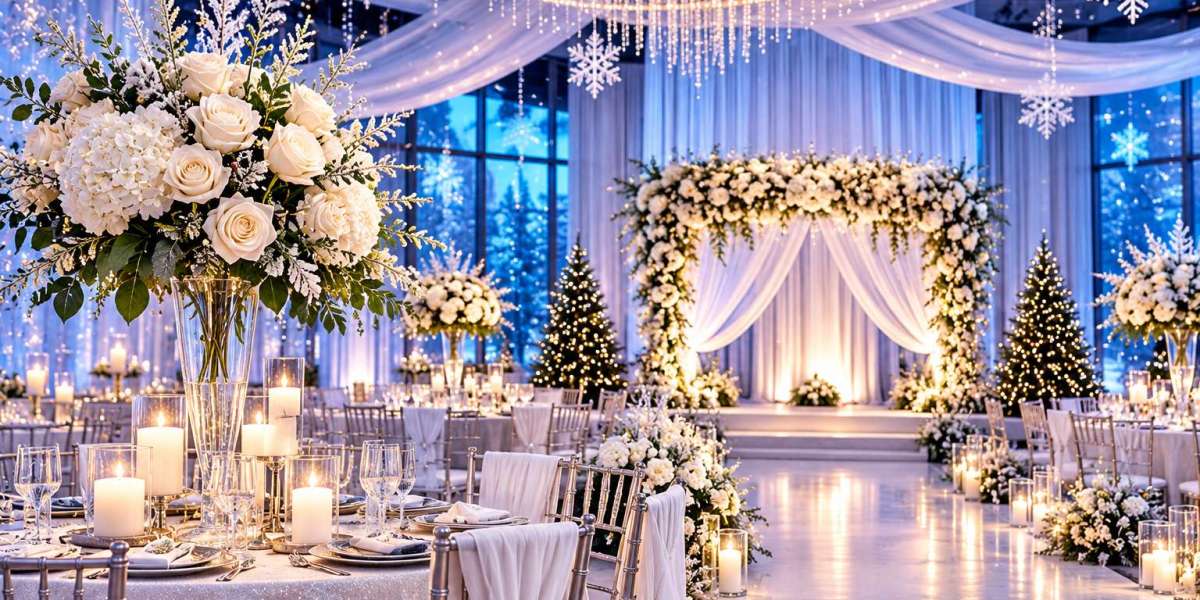
Cold-season celebrations have a natural coziness. Candlelight, evergreen greenery, velvet fabrics, and warm food and drinks fit the setting without much effort. Because the mood is already built in, you can often spend less on decor.
What to Plan For
Weather and Travel
Winter weather is the biggest variable. Depending on where you live, you may face snow, ice, or freezing rain, and guests traveling by car or plane could be delayed.
A few practical steps help:
Choose a date away from major holidays, when travel is heaviest.
Send save-the-dates early so guests can book flights and rooms.
Share a backup plan, such as a start time that allows for late arrivals.
Consider a venue that keeps the ceremony and reception under one roof, so guests aren’t moving between buildings in the cold.
Shorter Days and Lighting
Sunset comes early in winter, sometimes before 5 p.m. in much of the U.S. This affects your timeline, especially for photography. If you want natural light for portraits, schedule the ceremony earlier in the afternoon and plan outdoor photos before dusk. Evening receptions can lean into the darkness with string lights, candles, and warm uplighting, which photograph beautifully when planned in advance.
Attire and Comfort
Winter gives couples more room to play with clothing. Long sleeves, wraps, capes, and heavier fabrics like velvet, crepe, and wool are all practical and photograph well. Think about your guests too. Provide a coat check, and if you plan any outdoor moments, keep them short and have warm options such as blankets or hot drinks available.
Choosing a Venue for a Cold-Season Celebration
The venue matters more in winter than in any other season. Outdoor spaces are less dependable, so you’ll want a location that is comfortable, well heated, and flexible enough to handle changes.
When touring venues, ask about:
Heating and ventilation: Are all event spaces climate controlled?
Indoor ceremony options: Is there a space that works if outdoor plans change?
Parking and entry: Is the walk from the parking area short and safe in icy conditions?
Lighting: Can the room be adjusted to suit early sunsets?
Weather policies: What happens if conditions force a date or timing change?
Couples comparing options can look at venues such as deerparkvillawedding to see how a location presents its spaces and what planning details it shares for events held in colder months. Whatever venue you consider, a visit in person (or a detailed virtual tour) will tell you more than photos from peak season.
Making the Day Feel Seasonal Without Overdoing It
A winter theme works best when it feels natural rather than forced. Instead of leaning on snowflakes and heavy holiday motifs, consider:
Color palettes: Deep green, burgundy, navy, and champagne feel rich without looking overly festive.
Menu: Seasonal dishes and warm beverages, such as spiced cider or hot chocolate bars, add comfort and are easy for caterers to plan.
Florals: Evergreen branches, berries, and dried elements hold up well in cooler rooms.
Lighting: Candles and warm lighting make a room feel inviting, but check venue rules about open flames.
If your wedding falls close to a major holiday, keep the decor subtle. Guests may already be surrounded by seasonal decorations, and a more neutral style can help your day stand apart.
Questions to Ask Before You Commit
Before choosing a date, run through a short checklist:
Where will most guests travel from? If many are flying in, winter weather deserves extra attention.
Do vendors have winter experience? Photographers and planners who have shot in low light and cold conditions will be better prepared.
Is your timeline realistic? Account for early sunset, travel delays, and the extra time guests need to arrive and settle.
Do you have a flexible plan? A clear backup plan reduces stress if conditions change.
Final Thoughts
Winter weddings suit couples who value atmosphere, flexibility, and a more relaxed booking process over warm-weather convenience. The season rewards planning: a comfortable venue, a realistic timeline, and clear communication with guests go a long way. If you prepare for the cold rather than ignore it, a winter date can feel just as polished and memorable as any other time of year.