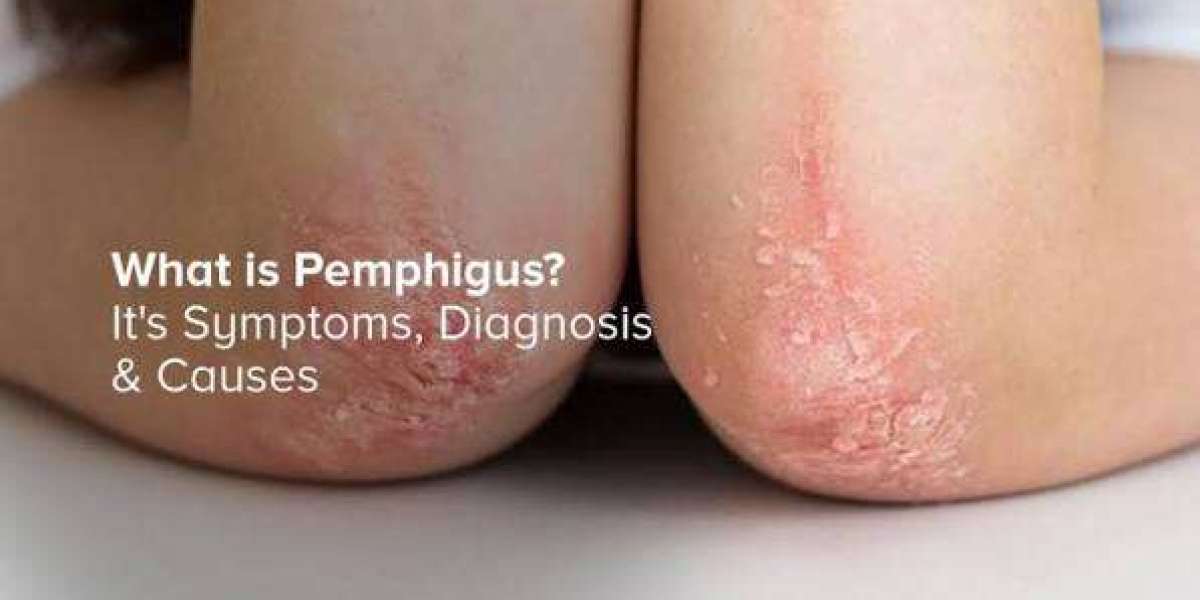

Pemphigus Erythematosus: Understanding This Autoimmune Skin Condition
Pemphigus Erythematosus is a rare autoimmune blistering disorder that primarily affects the skin, causing redness, scaling, crusting, and superficial blisters. It is considered a localized form of pemphigus foliaceus and often affects sun-exposed areas, particularly the face, scalp, and upper chest. Although the condition is not contagious, it can cause persistent discomfort and noticeable skin changes. Understanding its causes, early symptoms, diagnostic methods, and available treatments is essential. With appropriate medical care, many people can manage flare-ups, protect their skin, and improve their overall quality of life.
What Is Pemphigus Erythematosus?
Pemphigus Erythematosus is an uncommon autoimmune disease in which the immune system mistakenly attacks proteins responsible for keeping skin cells attached to one another.
These proteins, called desmogleins, help maintain the structural connections between skin cells. When antibodies target them, the connections weaken, resulting in a process known as acantholysis.
Consequently, the upper layers of the skin separate, creating fragile blisters that can break easily. Unlike deeper blistering conditions, these blisters are often superficial and may appear as crusted, scaly patches.
Pemphigus Erythematosus is also known as Senear-Usher syndrome. It shares characteristics with pemphigus foliaceus and certain features of lupus erythematosus.
However, it is a distinct condition that requires appropriate dermatological assessment. Early recognition can help prevent prolonged inflammation and unnecessary skin damage.
Causes of Pemphigus Erythematosus
The exact cause of Pemphigus Erythematosus is not completely understood. However, researchers believe that several immune-related, genetic, and environmental factors may contribute to its development.
1. Autoimmune System Dysfunction
The primary underlying mechanism involves an abnormal immune response.
Normally, antibodies protect the body against harmful microorganisms. However, in Pemphigus Erythematosus, the immune system produces autoantibodies that attack healthy skin proteins.
As a result, skin cells lose their connections, leading to inflammation, superficial blistering, and crust formation.
2. Genetic Susceptibility
Genetic factors may influence a person's likelihood of developing autoimmune skin disorders.
Certain immune-system genes are associated with an increased susceptibility to pemphigus conditions. Nevertheless, having a genetic predisposition does not mean someone will necessarily develop the disease.
3. Sunlight Exposure
Sunlight may aggravate existing skin inflammation in people with Pemphigus Erythematosus.
Because lesions commonly develop on sun-exposed areas, ultraviolet radiation is considered an important potential trigger for flare-ups.
Therefore, protecting sensitive skin from excessive sunlight is an important part of daily management.
4. Environmental Triggers
Environmental factors may influence autoimmune activity in susceptible individuals.
Infections, ultraviolet exposure, and certain medications have been investigated as possible contributors to pemphigus disorders. However, their specific roles in Pemphigus Erythematosus are not fully established.
5. Medication-Related Factors
Some medications can trigger pemphigus-like reactions or contribute to autoimmune blistering conditions.
Certain drugs, including medications containing thiol or sulfhydryl groups, have been associated with drug-induced pemphigus.
However, patients should never discontinue prescribed medication without discussing possible risks and alternatives with their healthcare professional.
Symptoms of Pemphigus Erythematosus
Recognizing the symptoms of Pemphigus Erythematosus is important because its early appearance may resemble several other inflammatory skin conditions.
Symptoms can vary between individuals depending on disease activity, skin sensitivity, and the affected areas.
1. Redness and Inflamed Skin
One of the common early signs is persistent redness, particularly around the nose, cheeks, forehead, and other sun-exposed areas.
Affected skin may appear irritated, sensitive, or inflamed. Additionally, redness can become more noticeable following excessive sunlight exposure.
2. Superficial Skin Blisters
Small, fragile blisters may develop when skin cells lose their natural connections.
These blisters frequently break before becoming easily noticeable. Consequently, patients may experience shallow erosions, crusting, and scaly patches instead of intact blisters.
3. Scaly and Crusted Patches
Affected areas may develop yellowish or brownish crusts accompanied by flaky skin.
These changes can resemble seborrheic dermatitis, eczema, or other inflammatory skin disorders. Therefore, an accurate diagnosis is particularly important.
4. Facial Skin Changes
The face is frequently involved in Pemphigus Erythematosus.
Lesions may appear across the cheeks, nose, forehead, and surrounding areas. Sometimes, the distribution resembles a butterfly-shaped facial rash associated with lupus.
However, appearance alone cannot establish whether someone has pemphigus or lupus.
5. Itching and Burning Sensations
Some individuals experience itching, tenderness, or a burning sensation around affected areas.
These symptoms may become more uncomfortable when the skin is inflamed, dry, or exposed to irritating skincare products.
6. Scalp Involvement
The scalp may also develop scaling, crusting, and superficial erosions.
In some cases, persistent inflammation can affect hair-bearing areas. However, permanent hair loss is not a typical defining feature of this condition.
How Is Pemphigus Erythematosus Diagnosed?
Diagnosing Pemphigus Erythematosus requires a combination of clinical examination, skin biopsy, laboratory testing, and evaluation of the patient's medical history.
Because its symptoms overlap with other autoimmune and inflammatory conditions, multiple diagnostic methods may be necessary.
1. Physical Skin Examination
A dermatologist examines the affected skin to identify redness, scaling, crusting, erosions, and superficial blisters.
The distribution of lesions is also considered, especially when the face, scalp, and upper chest are involved.
2. Skin Biopsy
A skin biopsy is an important diagnostic procedure.
A small skin sample is collected from an affected area and examined under a microscope.
In pemphigus conditions, characteristic findings may include:
- Acantholysis, meaning separation of skin cells.
- Superficial intraepidermal blister formation.
- Inflammatory changes around affected skin structures.
These findings help distinguish pemphigus from other blistering disorders.
3. Direct Immunofluorescence Testing
Direct immunofluorescence is commonly performed using a biopsy from skin near an active lesion.
This test identifies immune deposits within the skin.
Pemphigus Erythematosus may show intercellular immunoglobulin G deposits in a fishnet-like pattern, sometimes accompanied by immune deposits along the basement membrane zone.
This additional pattern can help explain its overlapping features with lupus.
4. Blood Antibody Testing
Blood tests may identify antibodies directed against desmoglein proteins.
Anti-desmoglein 1 antibodies are particularly relevant to superficial pemphigus disorders.
Additional autoimmune investigations may be recommended when lupus-like features are present.
5. Differential Diagnosis
Doctors may need to distinguish Pemphigus Erythematosus from several conditions, including:
- Pemphigus foliaceus.
- Cutaneous lupus erythematosus.
- Seborrheic dermatitis.
- Psoriasis.
- Bullous impetigo.
- Other autoimmune blistering diseases.
An accurate diagnosis helps determine the most appropriate treatment strategy.
Treatment Options for Pemphigus Erythematosus
Treatment aims to control abnormal immune activity, reduce inflammation, heal existing lesions, and prevent new blisters from developing.
The appropriate approach depends on disease severity, affected skin areas, medical history, and response to previous treatments.
1. Topical Corticosteroids
Topical corticosteroids are commonly prescribed for localized inflammatory skin lesions.
They help reduce redness, itching, swelling, and irritation. Furthermore, stronger topical preparations may be recommended when superficial lesions are limited to particular areas.
However, prolonged use can cause skin thinning and other side effects. Therefore, these medications should be used under dermatological supervision.
2. Oral Corticosteroids
When Pemphigus Erythematosus affects larger skin areas or does not respond adequately to topical treatment, oral corticosteroids may be considered.
Prednisone and prednisolone are examples of medications that suppress excessive immune activity.
They can help control inflammation and reduce the formation of new lesions. Nevertheless, long-term use may increase the risk of infections, osteoporosis, diabetes, and high blood pressure.
For this reason, doctors generally aim to use the lowest effective dose and reduce it gradually when disease control is achieved.
3. Immunosuppressive Medications
Some patients require additional medications to control autoimmune activity and reduce dependence on corticosteroids.
Commonly considered options include:
- Azathioprine: Helps suppress abnormal immune activity.
- Mycophenolate mofetil: Reduces the activity of certain immune cells.
- Dapsone: May be considered in selected patients with superficial pemphigus.
- Rituximab: Targets specific B cells responsible for producing disease-related antibodies.
The selection depends on disease severity, individual risk factors, and specialist assessment.
4. Antimalarial Medications
Hydroxychloroquine may be considered in selected cases, particularly when lupus-like features accompany the skin condition.
It has immune-modulating and anti-inflammatory effects. However, it is not suitable for every patient, and regular eye monitoring may be required during treatment.
5. Medicated Skin Care
Proper skincare supports healing and reduces additional irritation.
A dermatologist may recommend gentle cleansers, suitable moisturizers, protective dressings, and appropriate topical medications.
Additionally, avoiding harsh soaps, fragrances, and aggressive exfoliation can help protect sensitive skin.
6. Sun Protection
Sun protection is especially important because Pemphigus Erythematosus frequently affects sun-exposed areas.
Consider these practical measures:
- Apply broad-spectrum SPF 30 or higher sunscreen.
- Wear protective clothing and wide-brimmed hats.
- Avoid prolonged exposure during peak sunlight hours.
- Reapply sunscreen according to product instructions.
- Choose gentle, fragrance-free skincare products.
These precautions can help reduce irritation and protect vulnerable skin.
Natural Treatment for Pemphigus: Supportive Skin Care and Lifestyle
Natural Treatment for Pemphigus should be understood as supportive care rather than a replacement for medical treatment.
There is currently no reliable scientific evidence that herbal remedies, special diets, or natural supplements can eliminate the autoantibodies responsible for Pemphigus Erythematosus.
Nevertheless, certain everyday habits may support skin health and general well-being.
1. Gentle Moisturizing
Dry and irritated skin may become increasingly uncomfortable during an active flare.
Using a fragrance-free moisturizer can help maintain the skin barrier and reduce dryness.
However, products should be introduced carefully, particularly when open erosions or damaged skin are present.
2. Balanced Nutrition
A balanced diet provides nutrients needed for normal tissue repair and immune function.
Include vegetables, fruits, whole grains, healthy fats, and adequate protein in everyday meals.
For example, leafy vegetables, berries, eggs, fish, and legumes can contribute valuable nutrients.
Although healthy eating supports general health, no specific food has been proven to cure Pemphigus Erythematosus.
3. Adequate Hydration
Drinking sufficient water helps maintain normal bodily functions and supports overall health.
People experiencing extensive skin damage may require additional medical assessment because fluid loss can become a concern.
Therefore, hydration should be considered part of general supportive care.
4. Avoiding Skin Irritants
Certain skincare ingredients may worsen irritation in sensitive areas.
Avoid harsh exfoliating products, strongly fragranced cosmetics, and unnecessary chemical treatments.
Instead, choose gentle products and discuss new skincare ingredients with a dermatologist.
5. Managing Stress
Long-term stress can affect sleep, emotional well-being, and general health.
Relaxation techniques, regular physical activity when appropriate, and consistent sleeping habits may help improve quality of life.
However, stress management should not be presented as a cure for autoimmune blistering disease.
Alternative Treatment for Pemphigus: What Should Patients Know?
Alternative Treatment for Pemphigus may include complementary approaches intended to support comfort and everyday health.
However, these methods have not been established as effective treatments for the underlying autoimmune process.
Before trying herbal products, supplements, or alternative therapies, discuss them with a qualified healthcare professional.
Herbal Products and Supplements
Some people explore herbal preparations because they prefer natural approaches to managing chronic skin conditions.
Nevertheless, herbal products can interact with prescription medications and may cause allergic reactions or other unwanted effects.
Furthermore, supplements marketed for immune support may not be appropriate for people taking immunosuppressive medications.
Aloe Vera and Soothing Products
Aloe vera-containing skincare products are sometimes used to soothe dry or irritated skin.
However, evidence supporting their effectiveness specifically for Pemphigus Erythematosus is limited.
Never apply untested preparations to open blisters, erosions, or infected skin.
Anti-Inflammatory Eating Patterns
A balanced eating pattern containing vegetables, fruits, whole grains, and healthy fats may support general health.
Some people find that maintaining consistent nutrition improves their overall energy and well-being.
However, anti-inflammatory diets have not been proven to control pemphigus-related autoantibodies or replace prescribed medications.
Important Safety Considerations
Alternative Treatment for Pemphigus should never delay medical assessment or replace prescribed therapy.
Untreated pemphigus can become progressively worse, while inappropriate treatment may increase complications.
Seek medical advice before introducing supplements, herbal preparations, or restrictive diets.
Daily Skin Care Tips for Managing Pemphigus Erythematosus
Daily skin care is an important part of managing Pemphigus Erythematosus.
Although skincare cannot stop the underlying autoimmune process, it may help protect vulnerable skin and improve comfort.
Consider following these practical recommendations:
- Cleanse gently: Use lukewarm water and mild, fragrance-free cleansers.
- Avoid scratching: Scratching may damage fragile skin and increase infection risk.
- Protect affected areas: Follow medical advice regarding dressings and wound protection.
- Wear comfortable clothing: Soft fabrics can reduce friction against irritated skin.
- Avoid excessive sunlight: Use protective clothing and suitable sunscreen.
- Monitor changes: Record new lesions, increasing redness, and possible treatment reactions.
- Attend follow-up appointments: Regular examinations help doctors assess treatment effectiveness.
If skin lesions develop yellow discharge, increasing pain, warmth, or spreading redness, seek prompt medical attention because these may indicate infection.
Is Pemphigus Erythematosus Curable?
There is currently no guaranteed permanent cure for Pemphigus Erythematosus.
However, many patients can achieve disease control through appropriate medical treatment.
Some individuals experience long periods without new lesions, while others may develop recurring flare-ups that require adjustments to their treatment plans.
The long-term outlook depends on disease severity, treatment response, overall health, and consistency with medical follow-up.
Therefore, early diagnosis and continued dermatological care are important for maintaining remission and preventing complications.
Living With Pemphigus Erythematosus
Living with Pemphigus Erythematosus can be challenging, especially when facial redness, crusting, and visible lesions affect confidence.
Nevertheless, understanding the condition can make daily management easier.
Patients should follow prescribed treatments, maintain gentle skincare routines, and communicate regularly with their healthcare providers.
It is also helpful to photograph changing lesions so that dermatologists can evaluate disease activity during appointments.
<