
Why Understanding a Home's Condition Matters
Purchasing a home is a major financial decision that deserves careful consideration. While a property may look clean, attractive, and well-maintained during a showing, its appearance does not always reveal its actual condition. Hidden plumbing leaks, electrical problems, roofing damage, and structural concerns can create unexpected expenses for new homeowners. Understanding these potential issues before completing a purchase helps buyers make practical decisions and prepare for future responsibilities. A careful evaluation also provides valuable insight into the property's maintenance needs, allowing buyers to approach the purchasing process with greater confidence.
Getting a Clear Picture Before Making a Purchase
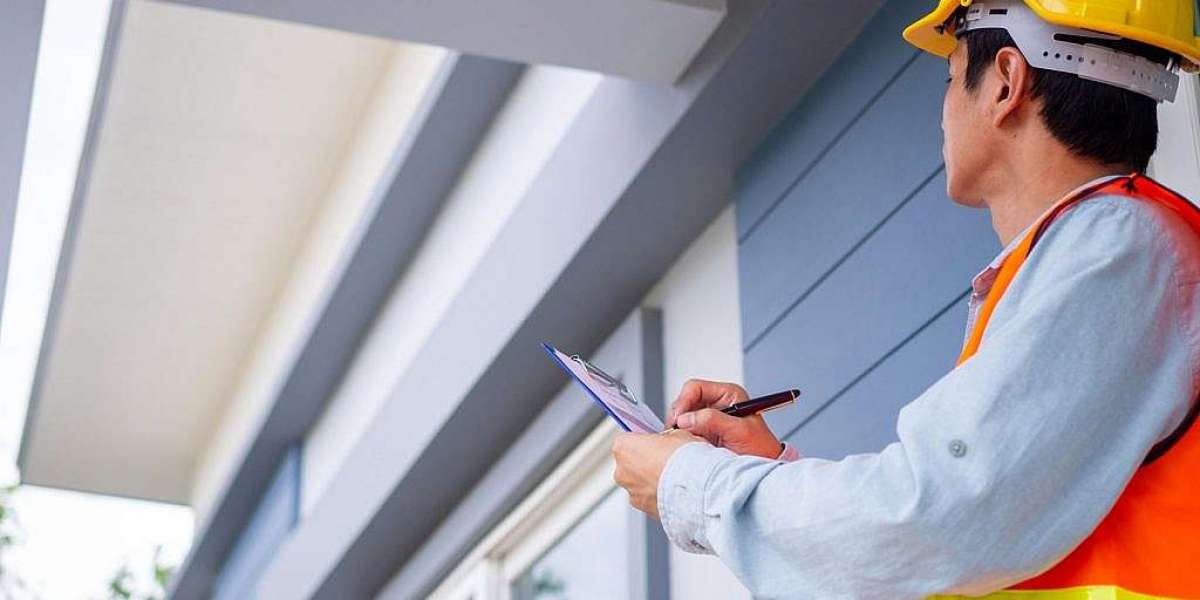
A Residential Home Inspection Punta Gorda FL gives prospective buyers an opportunity to understand the overall condition of a property before making a final commitment. The inspection generally covers important areas such as the roof, foundation, exterior walls, windows, doors, plumbing, electrical components, and heating and cooling systems. Examining these features helps identify visible defects, signs of deterioration, and components that may require maintenance. Buyers can use this information to better understand what they are purchasing rather than depending entirely on appearances or information provided during a property showing.
Evaluating Structural Components
The structural condition of a home plays an important role in its stability, durability, and long-term value. Foundations, support structures, floors, ceilings, and exterior walls should receive appropriate attention during the evaluation process. Visible cracks, uneven flooring, sagging areas, and signs of water damage may indicate concerns that deserve further investigation. Although some imperfections are related to normal settling or aging, others may require professional attention. Identifying these observations early allows buyers to ask relevant questions and determine whether additional assessments are necessary before moving forward with the transaction.
Checking Roofing and Exterior Features
The roof and exterior surfaces help protect a property from changing weather conditions. Damaged shingles, deteriorating flashing, loose gutters, and poorly sealed openings can increase the possibility of water intrusion. Buyers should also consider the condition of exterior paint, siding, windows, doors, and drainage systems. In Florida, regular exposure to rain, humidity, strong sunlight, and storms can contribute to gradual material deterioration. Checking these areas helps reveal maintenance concerns that might affect the home's durability. Understanding the condition of exterior components also helps future homeowners plan repairs and protect the property over time.
Understanding Interior Systems and Features
The interior of a property contains several essential systems that influence everyday comfort and functionality. Plumbing fixtures, electrical outlets, switches, visible wiring, ventilation, and cooling equipment should be evaluated for apparent problems and proper operation. Water stains beneath sinks, unusual odors, damaged outlets, inconsistent cooling, and drainage difficulties may indicate issues that deserve attention. Buyers should also pay attention to ceilings, walls, floors, cabinets, and interior doors. These details can provide useful information about general upkeep and reveal areas where repairs or additional professional assessments may be needed.
Working With a Qualified Inspection Professional
Choosing a knowledgeable Home Inspection Punta Gorda FL professional helps buyers receive a more organized and objective assessment of a property's visible condition. A trained inspector understands which building components deserve attention and follows a systematic process to evaluate accessible areas. Professional experience can make it easier to recognize signs of damage, deterioration, moisture intrusion, and maintenance concerns. Buyers should look for someone who communicates clearly, explains observations, and provides a detailed written report. Asking questions during the process can also help clarify unfamiliar terms and ensure that important findings are properly understood.
Recognizing Moisture and Ventilation Problems
Moisture is an important consideration when evaluating properties in Florida because humidity and frequent rainfall can affect building materials. Poor ventilation, plumbing leaks, damaged seals, and inadequate drainage may contribute to moisture-related concerns. Buyers should look for visible discoloration, peeling paint, musty smells, damaged flooring, and signs of previous water intrusion. Bathrooms, kitchens, laundry areas, attics, and spaces around windows deserve particular attention. Proper ventilation and effective water management help maintain indoor comfort and protect building materials. When an inspection reveals suspicious conditions, additional evaluation may be helpful in determining the source and extent of the problem.
Reviewing Findings and Prioritizing Repairs
Once the inspection is complete, buyers should carefully review the written report and understand the significance of each observation. Some findings may involve routine maintenance, while others could indicate more substantial repairs or safety concerns. Organizing these items according to urgency helps buyers decide which issues need immediate attention. For example, significant roofing damage, electrical concerns, active leaks, and structural observations may deserve priority over minor cosmetic imperfections. Buyers can also request clarification from the inspector when something is unclear. Depending on the purchase agreement, the findings may help guide discussions with the seller about repairs or other arrangements.
Preparing for Long-Term Homeownership
A thorough property evaluation provides more than information about its current condition. It also helps buyers develop a realistic understanding of future maintenance responsibilities. Every home requires occasional attention, whether through servicing cooling equipment, maintaining drainage systems, checking plumbing fixtures, or addressing minor exterior deterioration. Knowing which components may need attention allows homeowners to plan their budgets and avoid overlooking important maintenance tasks. Taking a proactive approach can help preserve the property's condition, improve everyday comfort, and reduce the likelihood of preventable problems becoming expensive repairs.
Making a More Confident Property Decision
Buying a home should involve careful planning, informed choices, and a clear understanding of what the property offers. Looking beyond its appearance and evaluating essential building components can help prevent unwanted surprises after closing. A professional inspection gives prospective homeowners useful information about visible defects, maintenance requirements, and areas that may need further attention. By reviewing the findings, asking questions, and planning accordingly, buyers can make decisions that support their financial goals and long-term comfort. Taking this important step makes the transition into homeownership more organized and helps establish realistic expectations for the future.