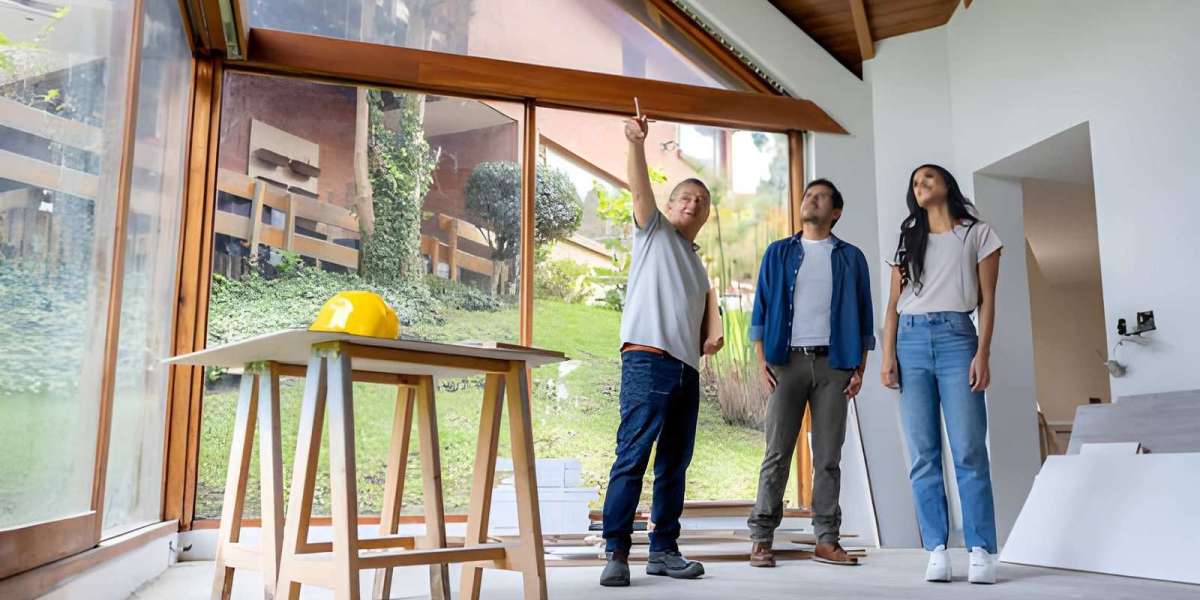

An old house often has everything a new one cannot offer: a good location, a larger plot, and years of memories. But over time, seepage appears on the walls, wiring becomes unsafe, kitchens feel outdated, and the layout no longer suits the family. Many owners assume the only answer is to demolish and rebuild. In reality, well-planned renovation houses in Pakistan can cost much less and give you a home that feels brand new.
Should You Renovate or Rebuild?
Before spending anything, decide which route makes sense. Renovation is usually the better choice when:
The main structure, such as columns, beams, and slabs, is still sound
The plot location is valuable and you want to keep the existing footprint
Your main problems are layout, finishes, or services rather than structure
You want to finish faster and live with less disruption
Rebuilding becomes more sensible when the structure has serious cracks, sagging slabs, or damage that is too costly to repair. An engineer’s inspection helps you decide objectively.
What Should You Inspect First?
Start with the issues that can quietly cause the most damage:
Structural condition: cracks in walls, beams, and ceilings
Damp and seepage: stains, peeling paint, and salt marks on walls
Roof condition: leakage points, broken waterproofing, and poor slopes
Electrical wiring: old, overloaded, or unsafe connections
Plumbing and drainage: leaking pipes, weak water pressure, and blocked lines
Fixing these first protects every other upgrade you make. There is no point installing beautiful flooring over a wall that keeps leaking.
How Do You Set a Realistic Renovation Budget?
Renovation costs are harder to predict than new construction because hidden problems often appear once walls are opened. To stay in control:
Get a detailed written estimate, not just a lump sum
Keep a contingency reserve for unexpected repairs
Separate “must-do” items from “nice-to-have” upgrades
Decide your finish quality room by room, spending more where it matters most
Kitchens, bathrooms, and waterproofing usually deserve higher quality because they face constant use and moisture.
Where Does Renovation Money Give the Best Return?
Not every upgrade adds the same value. These areas usually make the biggest difference:
Kitchen: better layout, durable surfaces, and smart storage
Bathrooms: modern fittings, proper waterproofing, and good ventilation
Lighting and electrical work: safer wiring and well-placed fixtures
Flooring and paint: fresh finishes that change the whole feel of a room
Windows and doors: better insulation and improved security
Exterior and entrance: an attractive front elevation and tidy outdoor area
Can You Change the Layout of an Old House?
Often, yes. Non-structural walls can be removed to create open living areas, small rooms can be combined, and unused corners can become storage or a home office. However, any change involving load-bearing walls needs approval from a structural engineer. Never allow workers to remove walls on assumption alone.
Good planning also means checking where pipes and electrical lines run before changing the layout, since moving them later is expensive.
How Can You Make an Old House More Energy Efficient?
Older homes often lose cool air in summer and heat in winter. Practical upgrades include:
Adding roof insulation and heat-reflective coatings
Replacing old windows with better-sealed frames
Installing shading elements over sun-facing openings
Switching to LED lighting and efficient appliances
Improving cross ventilation where possible
These changes can reduce your electricity bills over time, which helps the renovation pay for itself.
Why Is It Better to Plan Everything Together?
Renovation projects go wrong when design, construction, and finishing are handled separately. A change in the kitchen layout affects plumbing, electrical points, ceilings, and cabinets all at once. If each trade works without coordination, you end up with rework and wasted money.
An integrated firm such as HBC Pakistan can handle architecture, construction, interior design, project management, and landscaping together, so every part of the renovation is planned as one connected process rather than a set of unrelated jobs.
Common Renovation Mistakes to Avoid
Starting work without a clear plan or drawings
Choosing the cheapest contractor without checking past work
Ignoring waterproofing and drainage problems
Covering damp walls with paint instead of fixing the cause
Living in the house during heavy demolition without precautions
Changing the design repeatedly once work has started
How Long Does a Renovation Take?
The timeline depends on the size of the house and the scope of work. A simple repainting and fixture update may take a few weeks, while a full renovation involving structure, services, and finishing can take several months. Ask for a phase-wise schedule so you know when each area will be ready, and discuss whether you will need to move out temporarily.
What Should You Check Before Final Payment?
Walk through the entire house with a checklist. Test switches, taps, drainage, doors, and windows. Look closely at paint finish, tile alignment, and ceiling work. Note any defects in writing and agree on a correction date before releasing the last payment. Also collect warranty papers and details of materials used for future maintenance.
Final Thoughts
Renovation is one of the smartest ways to improve your living space without the cost and time of building from scratch. With a proper inspection, a clear budget, careful priorities, and a team that coordinates every stage, your old house can become a comfortable, efficient, and attractive home again, one that continues to serve your family for many more years.