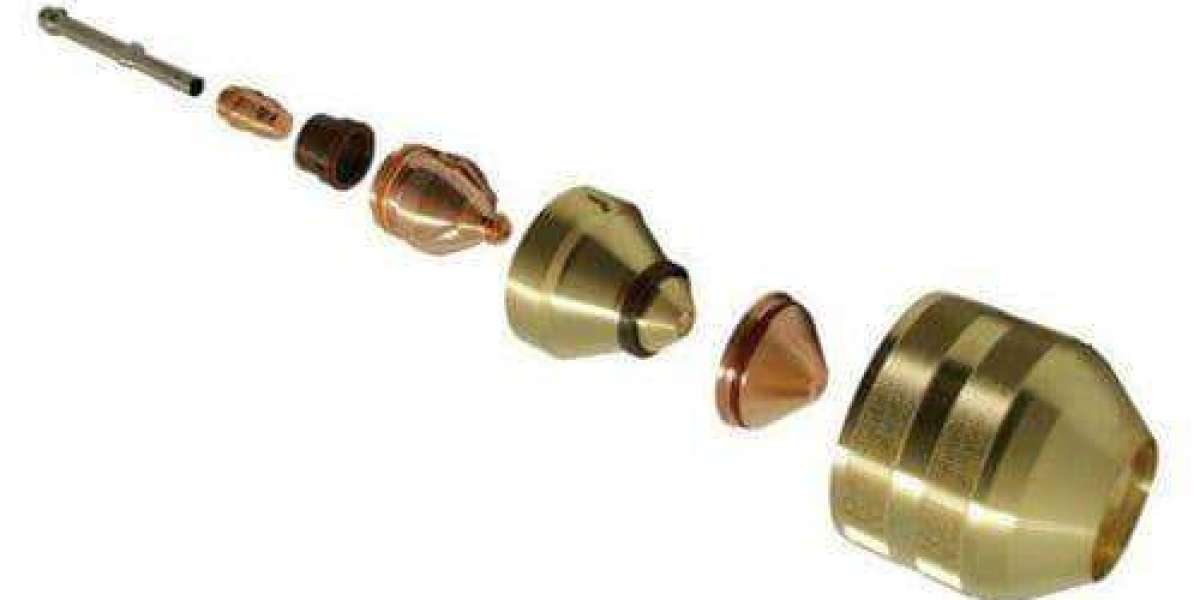

A plasma cutting machine depends on several components working together to produce a stable arc and a clean cut. The power supply, torch, gas flow, cutting parameters and consumable parts all contribute to the final result.
Among these, torch consumables need regular attention because they are exposed to high temperatures and demanding operating conditions. As they wear, cutting performance may change. A damaged nozzle, worn electrode or unsuitable component combination can lead to inconsistent results and additional production work.
For fabrication shops, CNC cutting units and industrial manufacturers, understanding Hypertherm Plasma Consumables is useful for both maintenance and purchasing. Knowing what each part does makes it easier to identify replacement requirements and communicate them accurately to a supplier.
This guide explains the main components, their functions, common wear signs, application factors and purchasing checks.
What Are Plasma Cutting Consumables?
Plasma cutting consumables are replaceable components fitted inside or around a plasma torch. They help establish the arc, control the plasma jet and protect the torch during the cutting process.
These components are not designed to last indefinitely. Their service life depends on factors such as:
Cutting current and operating settings.
Material type and thickness.
Gas type and gas quality.
Number of arc starts.
Piercing frequency and cutting method.
Torch condition and maintenance practices.
Correct installation of the components.
The exact consumable set varies by plasma system and torch configuration. Always refer to the manufacturer's documentation or approved consumable chart rather than assuming that parts from different systems can be mixed.
Main Hypertherm Plasma Consumables and Their Functions
Each torch component has a specific role. Understanding these roles helps maintenance teams identify what needs inspection.
1. Electrode
The electrode carries electrical current and helps establish the plasma arc. In many plasma systems, it includes an emitter that gradually wears during operation.
A worn electrode can affect arc starting and stability. It should be inspected according to the recommended maintenance procedure and replaced when it reaches the specified wear limit.
2. Nozzle
The nozzle helps shape and focus the plasma jet. Its opening influences the way the arc interacts with the workpiece.
A damaged or worn nozzle may contribute to:
Uneven cut edges.
Changes in kerf width.
Excessive dross.
Inconsistent cutting performance.
The correct nozzle must match the torch, amperage and intended process.
3. Swirl Ring
The swirl ring controls gas movement inside the torch. It helps direct the gas flow around the plasma arc.
A damaged, blocked or incorrectly installed swirl ring may affect gas flow and arc performance. Inspect it for cracks, contamination and other visible damage.
4. Retaining Cap
The retaining cap holds the relevant torch components in their intended positions. Correct fitting is important because the components need to sit properly within the torch assembly.
Check for damaged threads, worn seating areas and signs of incorrect installation.
5. Shield
The shield protects torch components and supports the intended cutting configuration. Different shields may be designed for specific applications and operating conditions.
A damaged or unsuitable shield can affect the cutting process. Always check the recommended shield for the torch and application.
6. Deflector and Other Application-Specific Parts
Some torch configurations use additional components, such as deflectors, for particular cutting processes.
Their use depends on the system design. They should only be selected when specified for the relevant torch and application.
How Consumable Condition Affects Cutting Results
Consumables directly interact with the plasma arc, so their condition can influence the quality and consistency of the cut.
Cut Edge Quality
A worn or damaged nozzle may affect the shape of the plasma jet. This can contribute to rough edges or inconsistent cutting results.
Kerf Consistency
The kerf is the width of material removed during cutting. Changes in nozzle condition, cutting parameters or torch alignment may affect the kerf.
Dross Formation
Dross is unwanted material that remains attached to the workpiece after cutting. Consumable wear can contribute to dross, although speed, gas flow, material and other process settings also matter.
Arc Stability
The electrode, nozzle and gas flow system all contribute to arc performance. Problems with these areas may lead to inconsistent arc behaviour.
Production Efficiency
Poor cutting results may require additional grinding, rework or rejected parts. Regular inspection and correct replacement practices help reduce avoidable interruptions.
Signs That Your Plasma Torch Consumables Need Inspection
A change in machine performance does not automatically mean that a consumable has failed. However, these warning signs indicate that the torch and cutting setup should be checked.
| Warning sign | What to inspect |
|---|---|
| Rough or uneven cut edges | Nozzle, electrode and cutting settings |
| Excessive dross | Consumable condition, speed and gas flow |
| Unstable arc | Electrode, nozzle, connections and gas supply |
| Difficult arc starting | Electrode condition and system setup |
| Irregular kerf width | Nozzle condition, torch alignment and parameters |
| Visible component damage | Affected component and torch assembly |
Inspect the complete setup before replacing parts. Incorrect cutting height, poor gas supply, worn mechanical components and unsuitable parameters can also cause similar symptoms.
Matching Consumables to the Correct Plasma System
Selecting a replacement based on appearance alone can lead to compatibility problems. Before ordering, check the following details.
Plasma Power Supply Model
Record the exact machine model. Different power supplies may support different torch and consumable configurations.
Torch Model
The torch model is important because consumable parts are designed around specific torch assemblies. Confirm the torch type and configuration.
Amperage and Cutting Process
Consumables are designed for particular operating ranges and processes. The correct combination may differ between hand cutting, mechanised cutting and specialised applications.
Gas and Material Requirements
The cutting process, gas selection and material being cut can affect the recommended consumable configuration. Follow the manufacturer's process charts for the equipment.
Part Number
Check the required part number against the equipment manual or approved consumable chart. This is a useful way to avoid selecting a similar-looking but unsuitable component.
Genuine Products and Purchasing Considerations
When purchasing replacement components, buyers should clearly understand the product being offered.
If your requirement is for genuine Hypertherm parts, state this in the enquiry. Check the product identity, part number and available documentation. Do not treat a general compatibility claim or product photograph as proof of authenticity.
When comparing Plasma Cutting Consumables, consider more than the quoted price. Check whether the component matches your torch, whether the product details are clear and whether the required quantity is available.
A useful purchasing checklist includes:
Exact machine and torch model.
Correct consumable part number.
Required quantity.
Intended cutting application.
Genuine product requirement, if applicable.
Stock and expected dispatch details.
Quotation and delivery information.
These checks help purchasing teams make more informed decisions and reduce avoidable ordering mistakes.
Maintenance Practices That Help Manage Consumable Use
A simple inspection routine can help identify worn or damaged parts before they create larger cutting problems.
Inspect Parts Regularly
Check the electrode, nozzle, shield and other relevant components according to the manufacturer's maintenance guidance.
Keep Components Clean
Follow the recommended cleaning and handling procedures. Dirt, metal particles and contamination can affect component condition and installation.
Install the Correct Combination
Use the consumable combination specified for the torch and process. Avoid mixing components that are not approved for the system.
Follow Replacement Limits
Do not continue using components beyond their specified wear limits. At the same time, avoid replacing parts unnecessarily before checking their actual condition.
Record Replacement History
Maintain records of part numbers, replacement dates and recurring cutting issues. This can help identify purchasing patterns and plan commonly needed stock.
Where Can Industrial Buyers Source Hypertherm Plasma Consumables in India?
Industrial buyers should look for clear product information and a supplier who can discuss the required parts for their equipment.
EGP Sales supplies plasma cutting products in India, including genuine Hypertherm consumables and related spare parts. Buyers can share their machine model, torch details or required part numbers when making a product enquiry.
Before confirming a purchase, ask about the product identity, compatibility, quantity and current availability. Providing accurate equipment information helps clarify the requirement and supports better product selection.
Frequently Asked Questions
1. What are the main Hypertherm plasma consumables?
Common components include electrodes, nozzles, swirl rings, retaining caps and shields. Some torch configurations also use additional application-specific components.
2. How often should plasma consumables be replaced?
There is no single replacement interval for every application. Consumable life depends on operating conditions, material, settings, cutting process and maintenance. Follow the manufacturer's inspection and replacement guidance.
3. Can I use the same consumables across different plasma systems?
No, not without confirming compatibility. Consumables are designed for specific systems and torch configurations. Check the correct part number before purchasing.
4. What causes plasma consumables to wear quickly?
Frequent piercing, incorrect cutting parameters, poor gas quality, unsuitable installation and demanding operating conditions can contribute to faster wear. Check the full cutting setup to identify the cause.
5. What details should I provide when purchasing replacement consumables?
Provide the plasma system model, torch model, required part number, quantity and cutting application. These details help clarify which components are suitable.
Final Thoughts
Plasma torch consumables are small components, but they have an important role in cutting performance. The electrode, nozzle, swirl ring, retaining cap and shield each perform a specific function, and the correct combination depends on the equipment and application.
Industrial users should inspect consumables regularly, follow recommended replacement limits and verify part numbers before purchasing. A clear maintenance and sourcing process can help reduce incorrect orders, support consistent cutting and make production planning easier.