
When a woman learns, earns and leads, the effects reach far beyond her own life. Her children are healthier, her family is more secure and her community gains a new source of ideas and energy. In Cameroon, education and economic opportunity are two of the most powerful tools for lasting change. This post explores how a well-designed women education program, economic empowerment and wider community support come together to open doors for women and girls.
Why a Women Education Program Matters
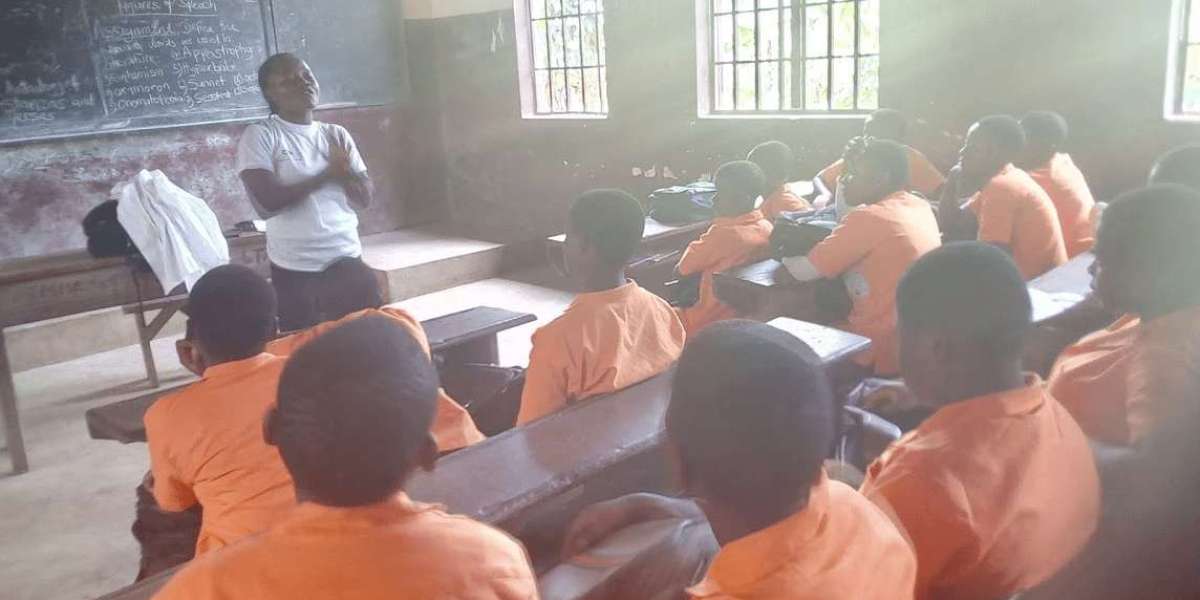
Education is the foundation of every other opportunity. A women education program gives women and girls the knowledge and confidence to make informed decisions about their health, work and future.
An educated woman can read instructions, understand her rights, manage money and take part in conversations that shape her community. The benefits also pass to the next generation. Mothers who have had the chance to learn tend to prioritize schooling for their own children, especially daughters.
A strong education program usually includes:
- Basic literacy and numeracy: the reading, writing and counting skills that make daily life and business easier.
- Support for staying in school: help with fees, supplies and encouragement so girls do not drop out.
- Life skills: communication, decision-making, teamwork and confidence.
- Health awareness: reliable information on nutrition, disease prevention and wellbeing.
- Rights education: helping women and girls understand that dignity, safety and schooling are entitlements, not favors.
Many girls still face obstacles, including poverty, household duties, early marriage and long distances to school. Orphaned girls who head households often carry adult responsibilities while still children. Programs that address these barriers directly make a real difference.
Women and Girls Economic Empowerment
Education opens the door, but income helps women walk through it. Women and girls economic empowerment means giving them the skills, resources and opportunities to earn a living, manage money and make their own financial decisions.
Practical approaches include:
- Income-generation training: skills such as small-scale farming, tailoring, food processing and petty trade.
- Financial literacy: learning how to save, budget and grow a small business.
- Nutrition and health support: making sure women are strong enough to work and care for their families.
- Access to decision-making: encouraging women to join associations, cooperatives and local leadership.
The results spread quickly. When women earn, children are more likely to attend school, households eat better and women gain confidence and respect. Financial independence also gives women more freedom to make choices about their own lives and to protect their daughters from pressures such as early marriage. For women living with HIV or other vulnerabilities, a steady income can mean dignity, stability and hope.
Women Empowerment in Cameroon: Connecting the Pieces
Women empowerment in Cameroon works best when education and economic opportunity are linked rather than treated as separate projects. A girl who stays in school, learns practical skills and later finds ways to earn is far better placed to build a safe, healthy and productive life.
The connection works in both directions:
- Education strengthens livelihoods. Women who can read, count and understand their rights run better businesses and negotiate fairer deals.
- Income sustains education. Families with a woman earning can afford school fees and supplies, keeping children in class.
- Confidence grows with both. Women who learn and earn are more likely to speak up in the family and community.
- Communities benefit. Stronger women’s participation leads to better decisions about health, food and local resources.
The Role of Community Organizations
Lasting change often grows from the ground up. Local organizations understand the languages, customs and daily realities of the people they serve, and they build the trust that makes training and honest conversations possible. INTERNAP Cameroon, a non-profit established in 2004, works in communities across the South West, North West and West Regions. Its work promotes gender equality and supports women, girls and children through education, health awareness and community development, showing how grassroots action can bring education and empowerment together.
Challenges That Remain
Real obstacles remain. Limited funding, distance from schools and markets, cultural attitudes that favor boys’ education and stigma toward women living with HIV can all slow progress. Overcoming them requires patience and partnership. Families, traditional leaders, teachers, local authorities and community organizations must work together, with respect for local culture and a shared commitment to the wellbeing of women and girls.
How You Can Support Women and Girls
Everyone can help build a more equal future:
- Support girls’ education. Even small contributions toward fees, uniforms or supplies can keep a girl in school.
- Back local organizations. Donating or volunteering with community groups creates direct, lasting impact.
- Invest in skills. Support training programs that help women build sustainable livelihoods.
- Raise awareness. Share stories about the value of educating and empowering women and girls.
- Champion women’s voices. Encourage women to take part in community decisions and leadership.
Final Thoughts
Educating women and girls and opening pathways to income are not separate goals. They are two halves of one effort: helping every woman and girl build the knowledge, confidence and independence to shape her own future. When communities invest in both, families grow stronger, neighborhoods become more resilient and the whole nation moves forward. Every contribution, conversation and act of support brings Cameroon closer to a future where women and girls can thrive.