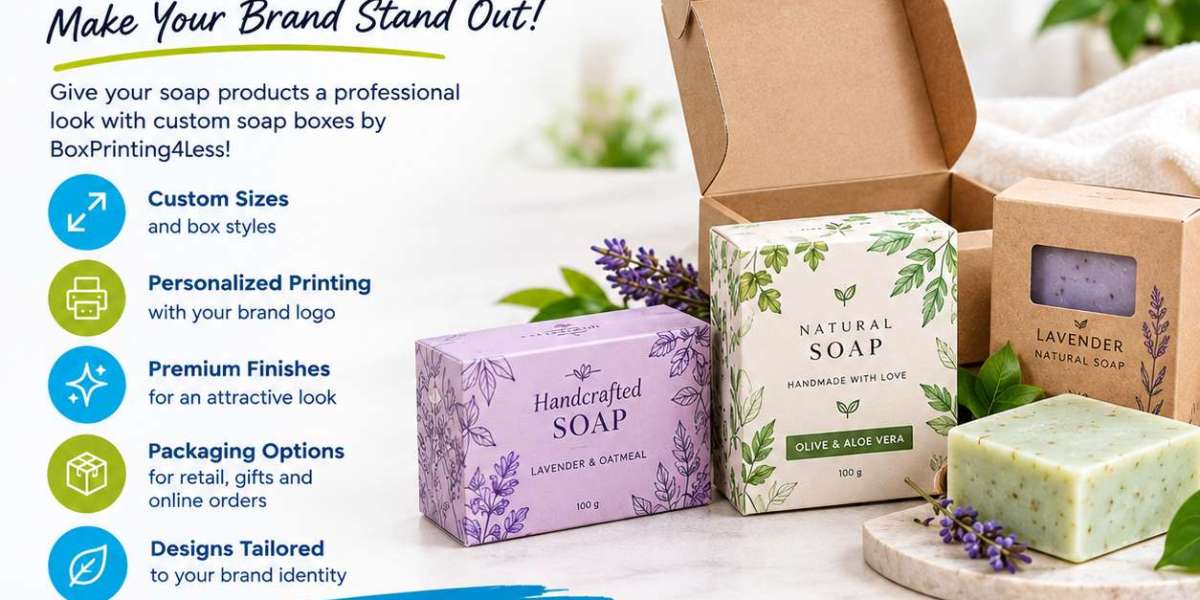

A beautiful bar of soap can still fail at the shelf for one plain reason: the box says the wrong things, or forgets the right ones. In the United States, a soap box is not just decoration. It is a label, and labels carry rules. The good news is that the rules are not hard once you know which set applies to your bar. This guide walks through what belongs on the front, the back and the sides of a soap box, the mistakes that catch small brands out, and how to plan the panels before you print.
First, Know Which Rules Apply to Your Soap
Not every bar sold as soap follows the same rulebook in the US. A traditional bar made from oils and lye, sold only as soap for cleansing, is treated as a consumer product and overseen by the Consumer Product Safety Commission. The moment a brand claims the bar moisturizes, softens or beautifies the skin, it becomes a cosmetic in the eyes of the FDA, and cosmetic labeling rules apply, including a full ingredient list. Go one step further and claim the bar treats acne, eczema or another condition, and it falls under drug rules, which are far stricter.
Most handmade and small-batch brands in the US sell in the cosmetic lane, because moisturizing claims are hard to resist. That is fine, but it means your box has to carry cosmetic information, not just a logo and a scent name. The FDA keeps a plain-English FAQ on exactly this topic, and it is worth ten minutes of any soap maker time before a print run.
The Front Panel: What a Buyer Sees First
The front of the box, called the principal display panel, has three jobs. It names the product, so a shopper knows it is a bar of soap and which scent or variety it is. It carries your brand, large and clear. And it shows the net quantity of contents, which in the US means both ounces and grams, placed in the lower part of the front panel where buyers and regulators expect to find it.
Keep the front calm. A crowded front panel with six claims helps nobody, and every claim you add can move your bar into a stricter rulebook. Name, brand, scent, net weight: that is a front panel that works in a farmers market booth and on a retail shelf alike.
The Back and Side Panels: The Working Details
The back panel is where the working information lives. If your soap is sold as a cosmetic, the ingredient list goes here, written with standard INCI names in descending order of weight, not as a list of marketing words. The name and address of the maker or distributor belong on the box as well, so a customer can reach the business behind the bar. Directions for use and any sensible warnings sit here too, along with a batch code or a made-on date if you track them, which small brands should.
Side panels are small but useful. One side can carry the scent story or the skin type the bar suits. The other can hold a barcode, a website address and storage advice such as keeping the bar dry between uses. When the panels are planned this way, soap packaging stops being a blank box and becomes a quiet salesperson that answers questions while you are not there.
Mistakes That Cost US Sellers
The most common mistake is the claims trap: a brand prints "heals eczema" or "cures acne" on the box because customers say it at the market stall. On a label, those words make the product a drug, and the box suddenly needs approvals it does not have. Say the bar is gentle, say it is made with olive oil, but leave medical promises off the print.
The second mistake is a missing or lonely net weight. US buyers and regulators expect the dual measure, ounces and grams, and a front panel without it looks unfinished next to competitors. Third is the scent-as-ingredient shortcut: "lavender" is not an ingredient listing. If the bar is a cosmetic, the fragrance and every oil and butter go in by their proper names. Fourth is tiny type. If a customer over forty cannot read the ingredient list without a phone camera, the type is too small, and a box is the wrong place to save space.
Plan the Panels Before You Print
All of this gets easier when the box is designed panel by panel instead of wrapped around a finished design. Start with the front: brand, product name, scent, net weight. Then the back: ingredients, maker details, directions. Then the sides: story, barcode, care. When each panel has an assigned job, nothing important gets squeezed into a corner at the last minute.
This is also where the box itself earns its cost. With custom printed soap boxes, the panel layout is set at your exact bar size, so the ingredient list gets the room it needs and the front stays clean. A generic sleeve or a plain wrap cannot promise that, because the space was never planned around your label.
The Box Is Part of the Product
US shoppers judge a bar of soap in about three seconds, and most of that judgment lands on the box. A box that carries the right information, in the right places, tells a buyer the brand is careful, and careful is what people want from something they put on their skin. Get the label right, plan the panels before the print run, and let good soap packaging do the explaining for you, on every shelf and in every parcel your brand sends out.
Visit today soap boxing