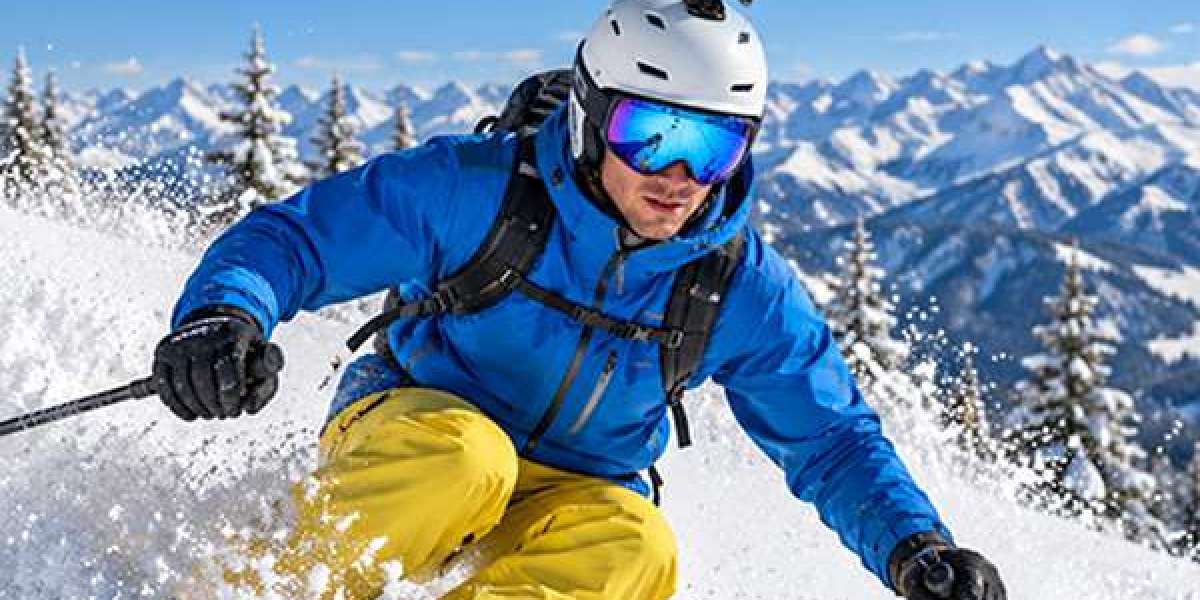

GoPro has long been the default name in action cameras, and for good reason: the brand has a mature ecosystem, strong stabilization, and a wide range of mounts. But it is not the only option, and for many snowboarders it is not the best value. Riders who want reliable footage without paying flagship prices increasingly look at alternatives that offer solid stabilization, cold-weather performance, and compatible mounts. If you are searching for good cameras for snowboarding, it helps to compare features rather than brand names. This guide covers the most important buying factors and the types of GoPro alternatives worth considering before you spend your money.
Why Consider a GoPro Alternative?
There are several practical reasons to look beyond GoPro. First, price: flagship action cameras are expensive, and the cost of spare batteries, mounts, and memory cards adds up quickly. Second, ecosystem lock-in: some riders prefer a camera that uses standard mounts or offers easier file transfer. Third, specific features: some alternatives offer larger screens, different lens options, or simpler controls that work better with gloves. Finally, competition has improved. Several brands now deliver stable 4K footage and decent cold-weather performance at lower prices, which makes them credible choices for snowboarding.
That does not mean every cheaper camera is a good camera. Snowboarding is a demanding environment, and low-quality alternatives can disappoint with shaky footage, short battery life, or poor moisture resistance. The key is to know which features matter and which marketing claims to ignore.
What Matters Most on the Mountain
Stabilization and Horizon Leveling
Snowboarding footage is full of vibration, bumps, and body movement. Electronic image stabilization is essential. Horizon leveling is a bonus that keeps the scene upright when you lean into a turn or tilt the camera. For helmet and chest mounts, good stabilization matters more than a small increase in resolution. A stable 1080p clip is usually more watchable than a shaky 4K clip. Look for sample footage filmed on snow, because bright white backgrounds can reveal stabilization artifacts.
Cold-Weather Battery Life
Cold temperatures reduce lithium-ion battery capacity. A camera that lasts two hours indoors may last far less on a chairlift. Choose a model with a removable battery so you can carry spares in an inside pocket. Some cameras support USB power while recording, which helps on longer days if you carry a power bank. Check rider reviews for real cold-weather runtime rather than relying only on manufacturer claims.
Weather Resistance and Durability
Snow, moisture, and condensation are constant threats. A camera described as splash-resistant may not survive a fall into powder or a wet lift ride. Look for native waterproofing or a reliable waterproof housing. If you use a housing, check that the buttons remain usable with gloves and that the lens does not fog. A replaceable lens cover is also useful because impacts and scratches are common.
Mounting Compatibility
Mounting affects both footage and safety. Helmet mounts are popular, but check your helmet manufacturer’s guidance before attaching anything to the shell. Chin mounts give a strong first-person view, side mounts are easy to reach, and chest mounts provide a stable perspective. Snowboarding involves falls, so use secure mounts and safety tethers where appropriate. A lightweight camera is less likely to affect helmet balance. Before buying, confirm that the camera uses a common mount system or that adapters are available for your helmet, chest harness, or board mount.
Resolution, Frame Rate, and Lens
For most riders, 1080p at 60 frames per second is a practical baseline. Higher resolutions such as 2K or 4K give more detail and cropping flexibility but use more battery and storage. A wide field of view between 140 and 160 degrees is a good balance for snowboarding. Very wide lenses can create a fisheye effect, but they capture more of the slope and your board. Bright snow can cause glare and overexposure, so look for good dynamic range and exposure control.
Controls, Audio, and File Management
You will often operate the camera with thick gloves. Large buttons, clear status lights, and simple menus matter. A remote or phone app can help, but basic recording should not require it. Wind noise is a major challenge, so check whether the camera offers wind-noise reduction or supports an external microphone. Use a high-endurance microSD card designed for continuous video. Loop recording is useful because it overwrites the oldest clips when the card is full.
Types of GoPro Alternatives Worth Considering
Stabilization-Focused Alternatives
Some competing action cameras focus heavily on stabilization and ease of use. Models from DJI’s Osmo Action series, for example, are often praised for reliable stabilization and user-friendly controls. They can be strong choices for riders who want smooth footage and a front-facing screen for framing. As with any camera, check cold-weather battery reports and mount compatibility before buying.
360-Degree and Creative Alternatives
Insta360 cameras appeal to riders who want creative angles and the ability to reframe shots after recording. A 360 camera can capture both you and the scenery, which is useful for selfie-style snowboarding footage. The trade-offs include a learning curve, higher storage needs, and careful lens care. For riders who enjoy editing and unusual perspectives, a 360 camera can be a compelling alternative to a traditional action cam.
Budget-Friendly Alternatives
Brands such as AKASO and SJCAM offer lower-cost action cameras that can be attractive for beginners or riders who only film occasionally. Quality varies by model, so read reviews carefully and prioritize stabilization, battery life, and mount compatibility. A budget camera with good stabilization and a removable battery can be a better choice than a cheap flagship imitation with poor cold-weather performance.
Previous-Generation Flagships
One of the smartest alternatives is an older-generation GoPro or a discounted previous-generation action camera from another brand. You often get proven stabilization, a mature app, and broad accessory support at a lower price. Check that batteries are still available and that the camera supports the mounts you need.
Practical Buying Tips
Set a budget that includes accessories: spare batteries, a high-endurance memory card, mounts, and possibly a waterproof case. Prioritize stabilization and cold-weather battery life over maximum resolution. Choose a camera with a common mount system so adapters are easy to find. Check the operating temperature range and warranty support. Read reviews from snowboarders, not just general action-camera reviews. Finally, consider weight and size, because a bulky camera is less comfortable on a helmet and more likely to be left at home.
Recommended Camera: SJCAM SJ6 Ultra
For riders looking for good cameras for snowboarding that balance 4K footage, stabilization, and value, the SJCAM SJ6 Ultra is worth considering. It offers high-resolution recording, electronic image stabilization, a wide-angle lens, and a compact body that suits helmet, chest, and handlebar mounting. It supports loop recording and microSD storage, which helps you keep recent footage without constantly managing files. The SJ6 Ultra is versatile enough to use off the mountain as well, making it a practical choice for riders who want one camera for multiple activities. If you want a credible GoPro alternative without spending a fortune, the SJCAM SJ6 Ultra deserves a place on your shortlist. Always check the latest specifications and choose mounting accessories that fit your helmet, board, and riding style.