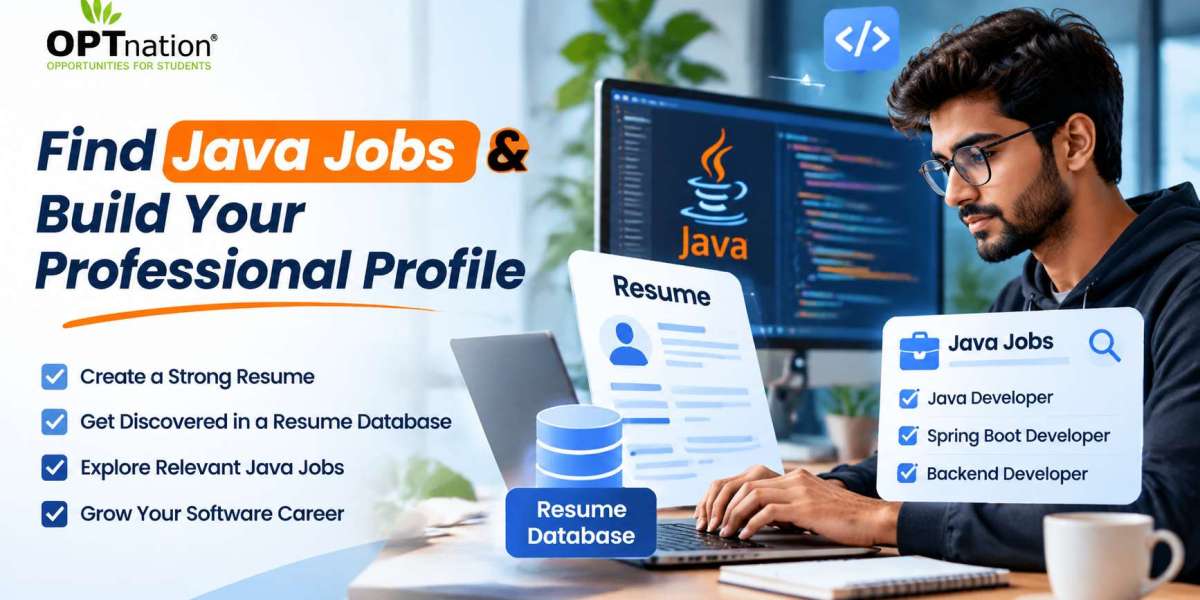

Finding the right job can take time, especially in the competitive software development industry. Many companies are looking for skilled Java developers who can build applications, solve technical problems, and work with modern development tools. However, having technical knowledge alone may not be enough. Candidates also need a clear resume and an organized job search strategy.
Whether you are a fresher or an experienced developer, understanding how to present your skills can make your job search more effective. Using the right resources, including a resume database, can also help you explore opportunities that match your experience.
1. Understand What Employers Look for in Java Developers
Before applying for Java jobs, it is important to understand what employers expect from candidates. Most companies look for developers who have a good understanding of Java programming and can apply their knowledge to real projects.
Some commonly requested skills include:
Core Java and Object-Oriented Programming (OOP)
Spring Boot and Hibernate
SQL and database management
REST APIs and web development
Git and version control
Problem-solving and debugging
Fresh graduates can highlight academic projects, internships, and practical assignments. Experienced professionals should focus on their previous projects, technical contributions, and work experience.
2. Create a Resume That Highlights Your Technical Skills
A resume is often the first thing a recruiter checks when reviewing an application. A well-organized resume makes it easier for employers to understand your qualifications.
When preparing a Java developer resume, include the following sections:
Professional Summary: Write a short introduction about your experience, technical background, and career goals.
Technical Skills: Mention programming languages, frameworks, databases, and development tools you know.
Work Experience: Describe your previous responsibilities and achievements using clear sentences.
Projects: Include practical projects that demonstrate your ability to develop applications and solve problems.
Education: Add your degree, institution, and relevant certifications.
Try to keep your resume clear and relevant to the position. Avoid adding skills you cannot confidently explain during an interview.
3. Use a Resume Database to Explore More Opportunities
Searching for employment on different websites can become confusing. Candidates may spend hours visiting multiple platforms and checking individual job listings.
A resume database can make the process more organized. It is a collection of candidate resumes and professional information that employers or recruiters may use to identify potential employees.
For job seekers, understanding how resume databases work can also help them prepare their profiles more effectively. A complete professional profile makes it easier to communicate relevant skills, experience, and career interests.
When using an online job platform, make sure your profile includes:
Updated contact information
Relevant technical skills
Educational qualifications
Previous work experience
Project details and certifications
Keep your resume updated whenever you learn a new technology or complete an important project.
4. Search for Java Jobs Using Relevant Keywords
Using specific search terms can help you find opportunities that match your technical background.
Instead of searching only for Java developer positions, try different job titles such as:
Junior Java Developer
Java Backend Developer
Spring Boot Developer
Full Stack Java Developer
Senior Java Developer
Java Software Engineer
You can also combine job titles with location, experience level, and required technologies.
For example, searching for Java jobs with Spring Boot or entry-level Java developer positions can help narrow down the available opportunities.
Always read the job description carefully before applying. Check the required experience, technical skills, location, and other conditions.
5. Build Practical Projects to Improve Your Profile
Practical experience can help candidates demonstrate their technical abilities. If you are a fresher, personal projects are a useful way to show what you can do.
Consider developing projects such as:
Employee Management System
Online Shopping Application
Student Management System
Banking Application
REST API using Spring Boot
Add a short description of each project to your resume. Explain the technologies used, the problem solved, and your contribution.
You can also maintain your projects on GitHub so recruiters and employers can review your work.
6. Prepare for Java Developer Interviews
Getting shortlisted is only one part of the job search. Candidates should also prepare for technical interviews.
Start by revising Java fundamentals, OOP concepts, collections, exception handling, multithreading, and basic data structures.
For backend positions, learn the basics of Spring Boot, REST APIs, SQL, and database connectivity.
Practice explaining your projects in simple language. Interviewers may ask why you selected a particular technology, how you solved a problem, or what challenges you faced during development.
Regular practice can improve your confidence and help you communicate your knowledge more clearly.
7. Stay Consistent With Your Job Search
Finding suitable Java jobs requires patience and regular effort. Instead of applying randomly, create a simple daily routine.
You can follow these steps:
Search for relevant job openings.
Read the job requirements carefully.
Customize your resume for suitable positions.
Apply through reliable job platforms.
Track your applications and follow up when appropriate.
Continue improving your technical skills.
Avoid sending the same resume to every employer without checking whether it matches the position.
Explore Career Opportunities With OPTnation
Building a successful career in software development requires the right skills, preparation, and access to relevant opportunities. A professional resume, practical projects, and a consistent job search strategy can help candidates move closer to their career goals.
OPTnation helps job seekers explore employment opportunities in the United States, including opportunities related to different technical roles and experience levels.
Whether you are starting your career or looking for your next professional opportunity, take time to improve your resume, strengthen your technical knowledge, and explore relevant Java jobs.
A focused approach can make your job search more organized and help you take the next step in your software development career.