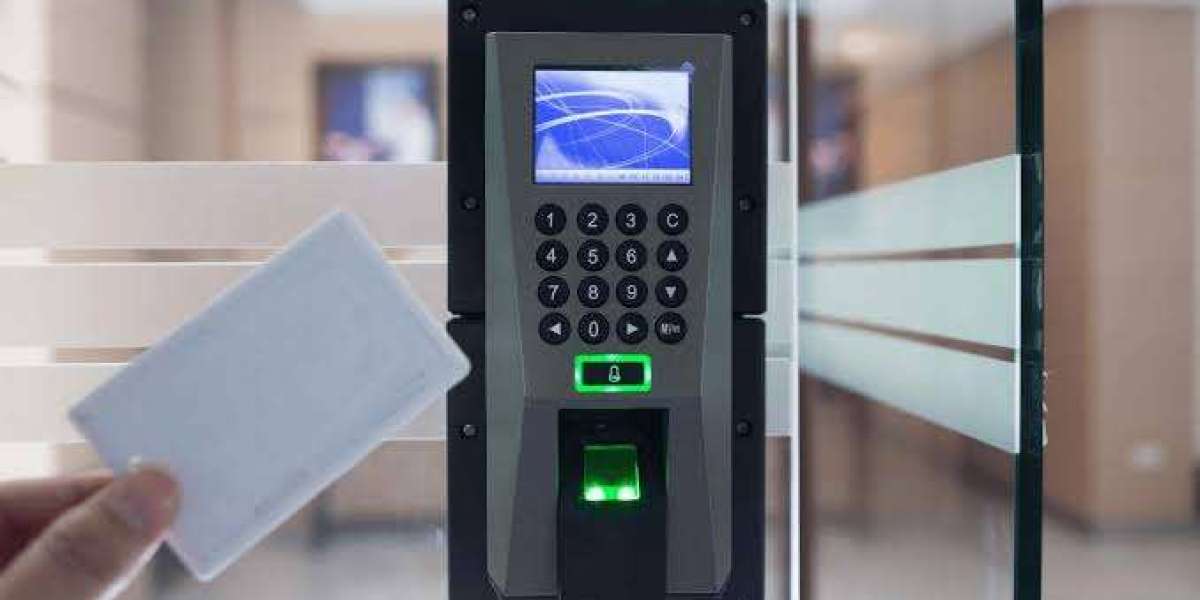

Managing access to a property is an important part of protecting employees, visitors, equipment, and valuable information. Traditional keys can be misplaced, duplicated, or difficult to manage when several people need access to different areas. Modern electronic security technology provides a more organized alternative.
A professional Access control system solution UAE helps property owners regulate entry, assign individual permissions, and monitor access activity through connected security equipment.
Across the Emirates, offices, residential buildings, hotels, warehouses, and industrial facilities require different levels of entry management. Some properties need simple door authentication, while others require centralized control across multiple entrances. Selecting the right system involves understanding the building layout, identifying security priorities, and choosing compatible equipment.
How Electronic Access Control Improves Building Security
An electronic access control system verifies a user's credentials before allowing entry through a secured door, gate, or checkpoint. Instead of relying on conventional keys, it uses electronic identification devices connected to controllers and locking mechanisms.
When an individual presents an authorized credential, the reader sends information to the controller. The system checks the user's permissions and decides whether the door should unlock. Depending on the configuration, it can also record access events for administrative review.
This technology allows property managers to establish different access permissions for employees, contractors, visitors, and management personnel. It also makes it easier to update or cancel credentials when responsibilities change.
Different Access Control Technologies Available
Choosing suitable authentication technology is essential for creating a reliable security arrangement. Each method offers different benefits depending on the property and its daily operations.
Smart Card and RFID Access
Card-based access systems allow users to enter secured areas by presenting an authorized card or key fob to a reader. These systems are commonly used in commercial offices, apartment buildings, educational institutions, and staff-only facilities.
Administrators can assign individual credentials and deactivate lost cards without changing physical locks. For new installations, encrypted credentials should be considered where stronger protection against unauthorized copying is required.
Fingerprint and Facial Recognition
Biometric readers verify individuals through physical characteristics such as fingerprints or facial features. They are useful for environments where identity verification is particularly important.
Fingerprint terminals are commonly considered for restricted offices and staff areas, while facial recognition devices offer a touch-free authentication option. Organizations should also evaluate privacy, secure data handling, and applicable requirements before collecting biometric information.
PIN and Keypad Entry
Keypad systems use numerical codes to grant access. They can be installed at office entrances, storage rooms, service areas, and selected residential locations.
Individual codes or regularly updated access codes can help manage entry. For environments requiring stronger accountability, PIN authentication can be combined with cards or other verification methods.
Mobile-Based Access Control
Modern access systems may support digital credentials through compatible smartphones. Users can receive authorized access through an application or supported mobile technology.
This approach can simplify credential management, especially for organizations with employees who frequently move between departments or locations.
Essential Components of a Complete Access Control System
A reliable installation requires several interconnected components. Selecting compatible hardware helps reduce operational problems and supports future upgrades.
Access readers: These devices collect credentials from cards, fingerprints, facial recognition, PIN codes, or mobile devices.
Door controllers: Controllers process authorization information and communicate with connected locking hardware.
Electronic locks: Electromagnetic locks and electric strikes are common options, depending on door construction and security requirements.
Exit devices: Exit buttons, request-to-exit sensors, and emergency release equipment support appropriate movement through secured doors.
Management software: Centralized software allows authorized administrators to manage users, schedules, access permissions, and available activity records.
Power supplies: Reliable power arrangements are necessary for electronic readers, controllers, and locking equipment. Backup power may support continued operation during certain interruptions.
Where Access Control Systems Are Used
Access management technology can support many types of properties throughout the UAE.
Corporate Offices and Business Centers
Businesses can assign different entry permissions to employees, visitors, contractors, and management teams. Restricted departments, meeting rooms, and server areas can remain accessible only to approved individuals.
Residential Buildings and Communities
Apartment buildings and gated communities can use electronic credentials to manage resident and visitor entry. Access control can also be integrated with video intercoms and vehicle barriers where compatible.
Hotels and Hospitality Facilities
Hotels can use electronic access systems to manage guest rooms, staff areas, service entrances, and selected restricted spaces. Permission schedules can be configured according to operational needs.
Warehouses and Industrial Facilities
Industrial properties often contain valuable equipment, inventory, and sensitive operational areas. Access control can help restrict entry to authorized personnel and maintain records of movement through selected locations.
Healthcare and Educational Facilities
Hospitals, clinics, schools, and universities may use controlled entry for laboratories, administrative offices, storage areas, and staff-only sections. Access permissions should reflect the responsibilities of different users.
Integration with CCTV, Intercoms, and Other Security Devices
An access control system can provide greater operational visibility when connected to compatible security equipment.
CCTV integration may allow security personnel to review video footage associated with a particular access event. This can help them understand activity around important entrances.
Video intercoms provide another useful feature by allowing staff or residents to communicate with visitors before granting permission. Some installations can also connect with automatic gates, parking barriers, turnstiles, and elevator controls.
Integration should be planned around equipment compatibility, network capacity, and the property's security requirements.
Important Installation and Safety Considerations
A successful access control project begins with a detailed assessment of the property. Installers should identify the number of controlled doors, door construction, user requirements, wiring routes, and necessary communication connections.
The locking mechanism must be suitable for the door and its intended function. Emergency exit arrangements are particularly important. Doors on escape routes must operate according to applicable fire and life-safety requirements, and access control must be coordinated with approved fire alarm arrangements.
For installations within Dubai's SIRA regulatory scope, the applicable Preventive Systems Manual includes requirements covering centralized access control, compatibility with approved fire alarm systems, and emergency unlocking arrangements. These requirements should not automatically be treated as identical across every emirate or property category.
Maintenance and Access Permission Management
Even a properly installed system requires regular attention. Readers, locks, controllers, power supplies, and network connections should be inspected to identify potential faults.
Administrators should also review user permissions whenever employees change roles or contractors finish their assignments. Lost credentials should be deactivated promptly, and unnecessary access rights should be removed.
Software updates, secure administrator accounts, and periodic backups can help maintain system reliability. Keeping accurate access records also supports better security administration.
Why Choose Jesr Al Fasht Security Devices Fix?
Selecting a suitable security provider is an important step in establishing reliable entry management. Jesr Al Fasht Security Devices Fix focuses on security solutions designed around residential and commercial property requirements. A properly planned installation should consider authentication technology, door hardware, centralized management, emergency operation, and compatibility with other security devices. Careful planning and professional configuration help property owners create an organized access management system that supports their operational and security objectives.
Conclusion
Electronic access control offers a practical way to manage building entry, protect restricted areas, and organize user permissions. From RFID cards and biometric readers to mobile credentials and centralized management software, different technologies can support different property requirements. Choosing the right Access control system solution UAE requires attention to equipment compatibility, installation quality, emergency arrangements, and ongoing maintenance. A well-designed system can support long-term property security while making everyday access management more efficient.
Frequently Asked Questions
1. What is an access control system used for?
An access control system manages who can enter specific doors, buildings, or restricted areas. It verifies credentials and grants permission according to configured access rules.
2. Which access control method is suitable for commercial buildings?
RFID cards, biometric readers, PIN keypads, and mobile credentials are common options. The right choice depends on the building's size, number of users, and security requirements.
3. Can access control systems be connected to CCTV cameras?
Yes. Compatible systems can integrate with CCTV equipment so security personnel can review relevant video footage alongside access events.
4. Do access control systems require regular maintenance?
Yes. Readers, locks, controllers, power supplies, and software should be inspected periodically to maintain reliable operation and identify problems early.