
Vigilitis Skin Condition is a search phrase that may refer to vitiligo, a skin disorder characterized by the loss of natural pigmentation in certain areas of the body. Vitiligo develops when melanocytes, the cells responsible for producing melanin, stop functioning or are destroyed. This can result in white or lighter patches that may appear on the face, hands, arms, legs, and other areas. Although these changes are usually not physically painful, they can affect confidence, emotional well-being, and how people feel about their appearance. Understanding pigmentation changes, possible causes, associated factors, and available care options can help individuals make informed decisions about their skin health.
The skin plays an important role in protecting the body from environmental influences, regulating temperature, and maintaining moisture. Its natural color is largely determined by melanin, which is produced by melanocytes. When pigment production becomes uneven or decreases in certain areas, visible spots and patches may develop. These changes can have several causes, including autoimmune activity, inflammation, infections, sun exposure, and inherited factors. Recognizing the differences between these conditions is important because not every white or discolored patch is vitiligo.
What Is the Vigilitis Skin Condition and How Does It Affect Skin Health?
The term Vigilitis Skin Condition is not a standard medical diagnosis. It may be used online as an alternative spelling or search variation for vitiligo. Vitiligo is a chronic skin condition in which the immune system mistakenly attacks melanocytes, leading to areas of reduced or absent pigmentation.
Melanin gives skin, hair, and eyes their natural color. When melanocytes are damaged or stop producing pigment, the affected areas become lighter than the surrounding skin. The patches may be small at first and gradually become larger or appear in additional locations. In some individuals, the condition remains limited to a few areas, while others experience more widespread changes.
Vitiligo can affect people of any skin tone, age, or background. It may become noticeable at any stage of life, although many people first develop symptoms before adulthood. The condition is not contagious, does not spread through physical contact, and is not caused by poor hygiene.
How Pigmentation Changes Develop
Normal skin color depends on several factors, including melanin production, the distribution of pigment-producing cells, and genetic characteristics. Melanocytes are located in the outer layer of the skin and produce melanin, which helps determine pigmentation.
In vitiligo, immune-system activity can damage these cells. As pigment production decreases, patches of skin may become pale or completely white. The edges of these patches can be clearly defined, making them easier to distinguish from surrounding skin.
The changes may occur on exposed areas such as the face and hands, but they can also develop around the eyes, mouth, elbows, knees, underarms, and genital areas. Some people notice changes in the color of their hair, eyebrows, eyelashes, or beard when pigment-producing cells in hair follicles are affected.
Vitiligo does not usually cause physical discomfort. However, affected areas may be more vulnerable to sunburn because they contain less protective melanin. Sun protection is therefore an important part of everyday care.
The Relationship Between Skin Health and Overall Well-Being
Visible changes in pigmentation can influence more than physical appearance. People may feel uncomfortable when patches appear on their face, hands, or other exposed areas. Some may worry about social reactions, misunderstandings, or questions from others.
These emotional effects can influence confidence, relationships, and participation in everyday activities. Children and teenagers may experience particular difficulties if they encounter teasing or unwanted attention at school. Adults may also feel self-conscious in professional or social settings.
It is important to understand that vitiligo is not a sign of poor hygiene, an infectious disease, or a personal failure. Emotional support, accurate information, and respectful communication can help individuals manage the condition with greater confidence.
Common Appearance and Types of White Skin Spots
White patches are not always caused by vitiligo. Several skin conditions can affect pigmentation and produce lighter areas. Their appearance, distribution, texture, and associated symptoms may help a healthcare professional identify the likely cause.
Vitiligo Patches
Vitiligo commonly produces smooth, clearly defined white patches. These areas generally do not have a different texture from the surrounding skin and are not usually associated with scaling or itching.
The patches may develop on both sides of the body in a similar pattern, particularly in generalized vitiligo. In other forms, pigment loss may be limited to one area or one side of the body.
The size and number of patches can change over time. Some remain stable, while others expand or appear in new locations. Changes may occur gradually or more noticeably during periods of disease activity.
Pityriasis Alba
Pityriasis alba is a common, usually mild skin condition that often affects children and adolescents. It typically appears as pale, slightly dry patches, especially on the cheeks, face, upper arms, or neck.
Unlike typical vitiligo patches, areas affected by pityriasis alba may have less clearly defined edges and sometimes show fine scaling. The condition is often associated with dry skin or eczema and may become more noticeable after surrounding skin tans.
Moisturizing and gentle skin care may help improve dryness. The lighter color can take time to return to normal, so improvement may be gradual.
Tinea Versicolor
Tinea versicolor is a superficial fungal infection that affects the skin's pigmentation. It can produce lighter, darker, pink, or brownish patches, commonly on the chest, back, shoulders, and neck.
The patches may have fine scaling and can become more noticeable after sun exposure because the affected areas may not tan in the same way as surrounding skin. Warm, humid weather and increased sweating may contribute to its development.
Unlike vitiligo, tinea versicolor is caused by an overgrowth of a naturally occurring yeast on the skin. Treatment generally involves appropriate antifungal products recommended by a healthcare professional.
Post-Inflammatory Hypopigmentation
Post-inflammatory hypopigmentation refers to lighter skin that develops after inflammation or injury. It may occur following eczema, psoriasis, burns, infections, insect bites, or other skin irritation.
The affected area may become lighter than the surrounding skin because inflammation temporarily interferes with normal pigment production or distribution. In many cases, pigmentation gradually improves as the skin recovers, although recovery time varies.
The original cause should be identified and managed to reduce the likelihood of repeated inflammation.
Other Causes of Pale or White Marks
Some lighter marks develop because of scarring, previous injuries, or other pigment-related disorders. Certain medications and skin treatments may also affect pigmentation.
A healthcare professional may examine the affected area under normal lighting or use a Wood's lamp to help assess pigment changes. In some cases, skin scrapings, blood tests, or a biopsy may be recommended.
Possible Causes and Risk Factors Associated With Vitiligo
The exact cause of vitiligo is not fully understood. Research suggests that several factors may contribute, particularly autoimmune activity, genetic susceptibility, and changes in the way melanocytes respond to stress.
Autoimmune Activity
Vitiligo is commonly understood as an autoimmune disorder. In autoimmune conditions, the immune system mistakenly identifies healthy body tissues as targets and attacks them.
In vitiligo, immune cells may attack melanocytes, reducing their ability to produce melanin. This process results in the gradual development of lighter patches.
Having an autoimmune condition does not mean someone will necessarily develop vitiligo. However, vitiligo can occur alongside other autoimmune disorders, including autoimmune thyroid disease. A healthcare professional may consider additional assessment when symptoms or medical history suggest another condition.
Genetic Factors and Family History
Genetics may influence a person's likelihood of developing vitiligo. Having a close family member with the condition can increase risk, but it does not mean that the condition will definitely occur.
Vitiligo is influenced by multiple genes and environmental factors rather than one simple inherited cause. People without a family history can also develop it.
Oxidative Stress and Melanocyte Damage
Oxidative stress occurs when harmful reactive molecules accumulate beyond the body's ability to manage them effectively. Researchers have investigated whether oxidative stress contributes to melanocyte damage in vitiligo.
This may be one part of a more complex process involving immune activity, genetic factors, and cellular responses. However, the exact contribution of oxidative stress is still being studied.
Physical Injury and Skin Trauma
In some people, new patches may develop at sites of skin injury, friction, burns, or repeated pressure. This phenomenon is known as the Koebner phenomenon.
It does not occur in everyone with vitiligo, but it suggests that skin trauma may trigger pigment loss in susceptible individuals. Avoiding unnecessary skin injury and repeated friction may be helpful.
Stress and Environmental Influences
Emotional stress does not directly explain every case of vitiligo, but some individuals report changes in symptoms during stressful periods. Environmental influences and other health factors may also contribute to disease activity.
A healthy lifestyle cannot guarantee prevention, but adequate sleep, balanced nutrition, sun protection, and appropriate medical care support general well-being.
Diagnosis and Medical Assessment of Pigmentation Changes
An accurate diagnosis is important because different causes of white or pale patches require different approaches. A dermatologist usually begins by examining the appearance, location, distribution, and duration of the affected areas.
The doctor may ask when the patches first appeared, whether they have changed, whether similar marks occur elsewhere, and whether there is a family history of vitiligo or other autoimmune conditions.
A Wood's lamp examination may help identify areas of pigment loss that are less noticeable under ordinary lighting. The affected skin may appear more clearly defined under ultraviolet light.
Blood tests may be considered if the medical history or examination suggests an associated autoimmune disorder, such as thyroid disease. A skin biopsy is not always necessary but may be used when the diagnosis remains uncertain.
People should avoid relying only on online photographs to identify pigmentation disorders. Several conditions can produce similar-looking marks, and incorrect treatment may delay appropriate care.
Managing Vitiligo and Supporting Everyday Skin Health
Treatment depends on the extent of pigment loss, the location of affected areas, how quickly the patches are changing, and the individual's preferences. Not every person chooses medical treatment, particularly when the patches are stable or do not cause distress.
Prescription Topical Treatments
Dermatologists may recommend topical corticosteroids for selected areas. These medicines reduce inflammation and may help restore some pigmentation in certain patients. However, they must be used carefully because prolonged or inappropriate use can cause skin thinning and other side effects.
Topical calcineurin inhibitors, such as tacrolimus or pimecrolimus, may be considered for sensitive areas, including the face. A clinician can explain whether these medicines are appropriate and how to use them safely.
Phototherapy
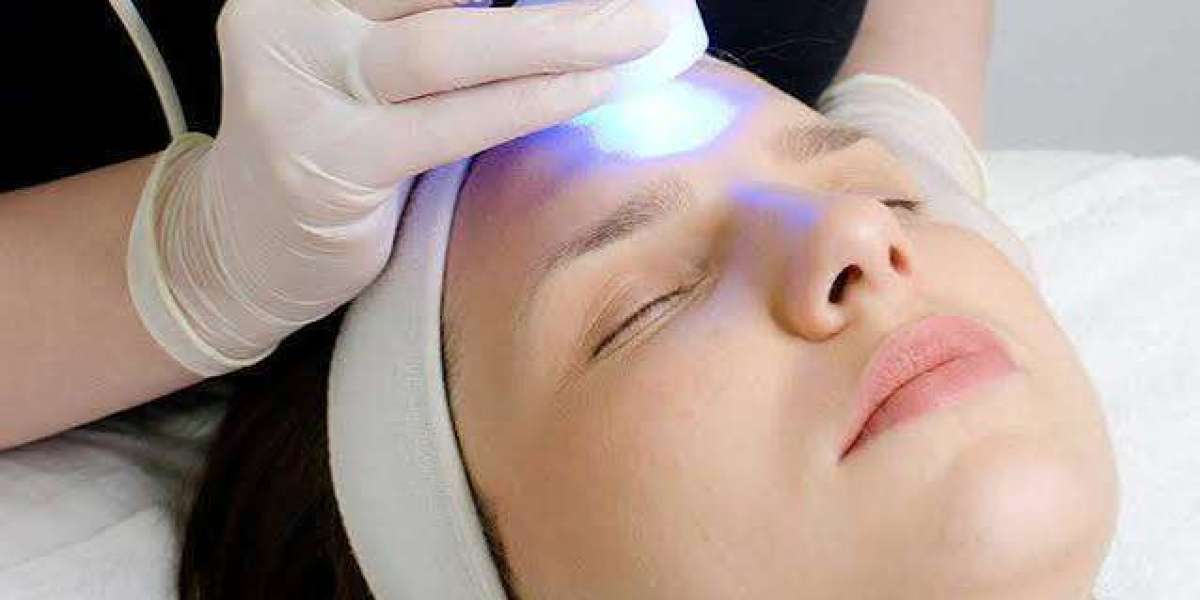
Narrowband ultraviolet B phototherapy is an established treatment option for some people with vitiligo. It involves controlled exposure to a specific wavelength of ultraviolet light under medical supervision.
Treatment may require several sessions each week over an extended period. Results vary, and repigmentation may be more noticeable in some body areas than others. Facial areas often respond better than certain areas such as the hands and feet.
Phototherapy should be supervised by an experienced healthcare professional because excessive ultraviolet exposure can damage the skin.
Sun Protection and Cosmetic Options
Areas with reduced pigmentation may burn more easily. Broad-spectrum sunscreen with SPF 30 or higher, protective clothing, and shade can help reduce sun damage.
Some individuals choose cosmetic camouflage products or skin-colored makeup to make patches less noticeable. These products do not treat the underlying condition, but they may help people feel more comfortable.
A dermatologist can discuss options based on skin tone, patch location, and personal preferences.
Understanding Bullous Pemphigoid and Its Effects on Skin Health
While vitiligo mainly affects pigmentation, another disorder called bullous pemphigoid affects the connection between skin layers and can cause fluid-filled blisters. It is an autoimmune blistering disease that most commonly occurs in older adults.
Bullous pemphigoid develops when the immune system produces antibodies that target proteins involved in attaching the outer layer of skin to the underlying layer. These proteins include BP180 and BP230. When this attachment is disrupted, fluid can collect between skin layers and form blisters.
The condition is not contagious and cannot spread through ordinary physical contact. It requires medical evaluation because extensive blistering can cause discomfort, open wounds, and infection.
Symptoms and Appearance of Bullous Pemphigoid
Some people experience persistent itching before visible blisters develop. Early symptoms may include red patches, irritated skin, or hive-like areas. Later, large, firm, fluid-filled blisters may appear.
Common symptoms include:
● Intense or persistent itching.
● Large, tense blisters containing clear fluid.
● Redness or inflammation around affected areas.
● Hive-like patches before blister formation.
● Crusting or soreness after blisters break.
● Discomfort that may interfere with sleep and daily activities.
Blisters commonly appear on the abdomen, thighs, arms, and skin folds, although other areas can be affected. In some patients, the mouth or other mucous membranes may also be involved.
Not every blistering rash is bullous pemphigoid. Infections, medication reactions, injuries, and other autoimmune disorders can produce similar symptoms. Medical examination is necessary to determine the cause.
Causes and Risk Factors
The precise cause of bullous pemphigoid is not completely understood. It is associated with an abnormal immune response against proteins that help hold skin layers together.
Older age is a major risk factor. Certain neurological disorders have also been associated with an increased likelihood of developing the disease, although this does not mean that everyone with a neurological condition will develop it.
Some medications have been linked to bullous pemphigoid in certain patients. A healthcare professional may review prescription medicines and recent medication changes when investigating symptoms.
Patients should never stop prescribed medicines without medical advice. A clinician can assess possible medication-related factors and decide whether a change is necessary.
Diagnosis of Bullous Pemphigoid
Diagnosis generally involves a physical examination and laboratory testing. A dermatologist may examine the distribution of blisters, ask about the duration of symptoms, and review medical history.
A skin biopsy is commonly performed. A sample of affected skin may be examined under a microscope to identify changes associated with blister formation. A separate sample of nearby skin may undergo direct immunofluorescence testing to detect antibody deposits along the basement membrane zone.
Blood tests may identify antibodies against BP180 or BP230. These results can support the diagnosis when considered alongside the examination and biopsy findings.
Early diagnosis is important because untreated blistering may lead to open wounds, infection, and significant discomfort.
Treatment Options and Medical Management
Treatment aims to reduce inflammation, prevent new blisters, relieve itching, and protect the skin from complications. The appropriate approach depends on disease severity, the patient's general health, and the areas affected.
Topical corticosteroids are commonly prescribed and may be suitable when affected areas can be treated with creams or ointments. More extensive disease may require oral corticosteroids. These medicines can be effective but may cause side effects, especially with prolonged use.
Other medicines that influence immune-system activity may be considered when corticosteroids are unsuitable or additional control is needed. A dermatologist should supervise treatment and monitor for possible adverse effects.
Wound care is also important. Broken blisters should be handled gently, and affected areas should be protected from friction and contamination. A healthcare professional may recommend suitable dressings and cleaning instructions.
Increasing pain, warmth, swelling, pus, fever, or rapidly spreading redness may indicate infection and require prompt assessment.
Herbal Treatment For Bullous Pemphigoid and Supportive Skin Care
People living with blistering disorders may look for additional ways to support skin comfort. However, Herbal Treatment For Bullous Pemphigoid should be approached cautiously because no herbal preparation has been established as a cure for the autoimmune process.
Some plant-based creams, oils, and topical products may irritate fragile skin, trigger allergic reactions, or interact with prescription medicines. Applying unverified preparations to broken blisters may increase the risk of complications.
Patients should discuss any complementary product with their dermatologist before using it. Gentle handling, suitable wound care, soft clothing, and adequate nutrition may support general comfort, but these measures cannot replace medical treatment.
Natural Remedies For Bullous Pemphigoid and Safe Daily Habits
Interest in Natural Remedies For Bullous Pemphigoid often comes from a desire to reduce itching or improve comfort. It is important to distinguish supportive habits from treatments that control the underlying autoimmune disorder.
Cool compresses may provide temporary comfort for some people when used gently and safely. Soft, loose-fitting clothing can reduce friction, while keeping the environment comfortably cool may help people whose itching worsens with heat.
A balanced diet can support general nutritional needs, but no specific food, supplement, or natural preparation has been proven to cure bullous pemphigoid. Supplements may also interact with prescribed medicines or cause unwanted effects.
Patients should not discontinue corticosteroids or other prescribed treatments in favor of home remedies. Any complementary approach should be discussed with the treating clinician.
Education and Guidance From Natural Herbs Clinic
Reliable health information can help people understand symptoms, prepare questions for medical appointments, and learn about available treatment approaches. Natural Herbs Clinic may provide general educational information about health and natural approaches, but online information should not replace an individual medical assessment.
People researching autoimmune blistering disorders should look for clear explanations of symptoms, diagnosis, and evidence-based treatment. They should be cautious of claims promising guaranteed cures or suggesting that prescribed treatment is unnecessary.
Anyone with suspected bullous pemphigoid should consult a dermatologist. A specialist can confirm the diagnosis, explain suitable treatment options, and monitor the condition over time.
Frequently Asked Questions
What does vitiligo look like?
Vitiligo usually appears as smooth, clearly defined white patches that are lighter than the surrounding skin. They may occur on the face, hands, arms, legs, and other body areas. Some people also notice changes in hair color within affected areas.
Are all white skin spots caused by vitiligo?
No. White or pale patches can also result from pityriasis alba, fungal infections such as tinea versicolor, previous inflammation, and scarring. A healthcare professional can examine the affected areas and determine the likely cause.
Can vitiligo spread to other parts of the body?
Vitiligo may remain stable or develop new patches over time. Its progression varies between individuals. Some people experience limited pigment loss, while others develop more widespread areas.
Is vitiligo contagious?
No. Vitiligo is not an infectious disease and cannot spread through touching, sharing clothing, or close contact. It is associated with the loss of pigment-producing cells, often involving autoimmune activity.
What warning signs should people look for with skin spots?
A spot should be checked if it changes in size, shape, or color, develops irregular borders, bleeds, becomes painful, or looks different from other marks. Persistent sores, rapidly spreading rashes, and unexplained blisters also require medical assessment.
How is bullous pemphigoid diagnosed?
Doctors commonly use a physical examination, skin biopsy, direct immunofluorescence testing, and blood tests for relevant antibodies. The findings are considered together to distinguish bullous pemphigoid from other blistering disorders.
Can bullous pemphigoid be treated?
Yes. Treatment may include topical or oral corticosteroids and other medicines that regulate immune activity. Wound care and monitoring for infection are also important. The treatment plan depends on disease severity and the patient's general health.
Can natural products replace prescribed treatment for bullous pemphigoid?
No. Herbal products and home remedies have not been established as cures for bullous pemphigoid. Some may irritate fragile skin or interact with medication. Patients should discuss complementary products with their healthcare professional and continue prescribed treatment unless advised otherwise.
Conclusion
Changes in skin pigmentation can have several causes, including autoimmune activity, fungal infections, inflammation, injuries, and inherited factors. Understanding the appearance of white patches and other types of skin spots can help people recognize when medical assessment is necessary. Gentle skin care, sun protection, and appropriate treatment can support skin health and everyday comfort.
Understanding Vigilitis Skin Condition also means recognizing that the term may refer to vitiligo, a condition involving the loss of pigment-producing cells. An accurate diagnosis is important because different pigmentation disorders require different approaches. Bullous pemphigoid is a separate autoimmune disorder that causes blistering and needs specialist care. Timely medical guidance can help people manage symptoms safely and protect their overall well-being.
Medical Disclaimer:
This article is intended for general educational and informational purposes only. It does not provide personal medical advice, diagnosis, or treatment. Seek prompt medical attention for unexplained or changing skin marks, widespread blistering, signs of infection, or other serious symptoms.