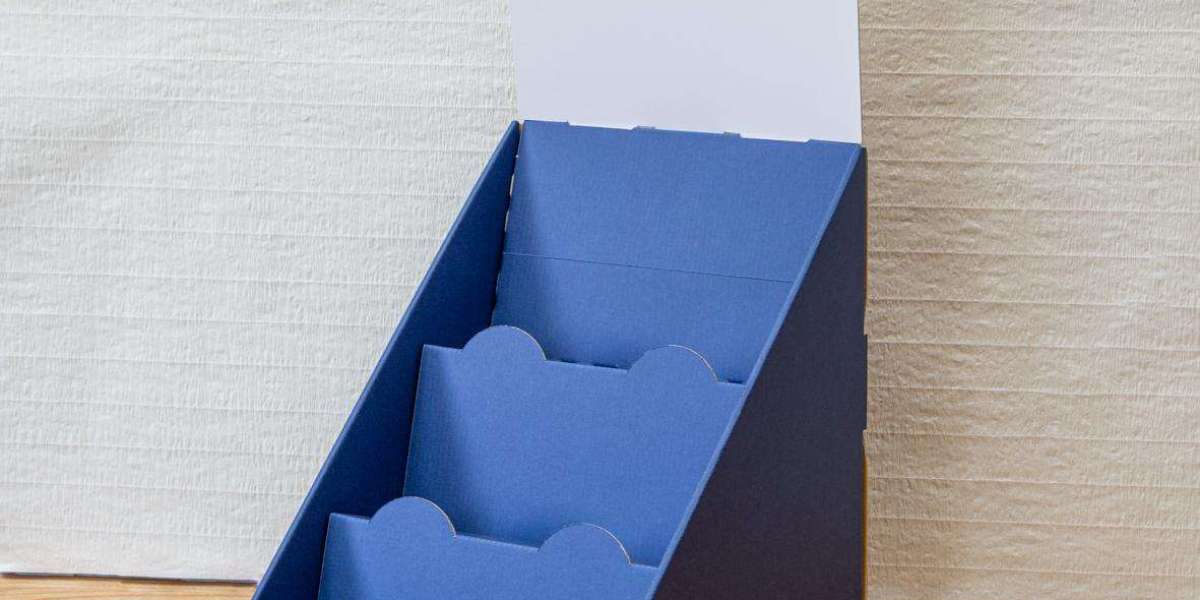

Retail countertop displays are a useful way to present products in areas where customers naturally pause, browse and make quick buying decisions. Placed near checkout counters, service desks or selected store sections, these displays help businesses make better use of limited space while keeping products easy to see and reach. A thoughtful design can turn an ordinary counter into a small but effective product presentation area.
Why Counter Displays Matter in Modern Retail
Retail stores have limited space, and every section needs to serve a purpose. Large shelving units are suitable for many products, but smaller items can sometimes become difficult to notice when they are placed among other merchandise. A compact display gives selected products their own space and helps customers understand what is available.
Counter displays can be useful for cosmetics, snacks, accessories, small electronics, personal care products, promotional items and seasonal merchandise. They can also support new product launches by placing an item in a visible location where shoppers are likely to notice it.
The main purpose is not simply to hold products. A successful display should present them clearly, support the store layout and make the shopping process easier.
Choose a Design That Matches the Product
The product should guide the size, shape and structure of the display. Before selecting a design, consider the product's dimensions, weight, packaging style and how customers will pick it up.
For example, small packaged products may need separate compartments to keep each item organised. Lightweight products can work well in open trays, while products that need extra support may require stronger materials and a more stable base.
A display should also leave enough room for customers to remove products without disturbing the remaining stock. If items are packed too closely together, the display can become untidy during the day.
Use Branding and Graphics Carefully
The visual design of a display can influence how quickly customers understand what it contains. Colours, product images, short messages and brand elements should work together rather than compete for attention.
Clear product names and simple promotional messages are often more effective than too much text. A customer should be able to understand the main offer at a glance.
Businesses looking for branded countertop displays should consider how the display will fit with their packaging, store colours and wider marketing campaign. Consistency across these elements can create a more professional presentation.
Make the Most of Checkout and High-Traffic Areas
Checkout counters are common locations for smaller product displays because shoppers often spend time waiting in these areas. However, placement should be planned carefully. A display must not block payment equipment, reduce counter space or make it difficult for staff to serve customers.
Other possible locations include reception desks, product demonstration areas, service counters and promotional tables. The right location depends on the type of product and the way customers move through the store.
Retailers can test different positions and observe which areas receive more attention. Even a small adjustment in placement may improve visibility.
Select Materials That Suit Daily Store Use
Material selection affects the appearance, strength, cost and useful life of a display. Paperboard and corrugated materials are often suitable for temporary promotions and lightweight products. Plastic, metal, wood and mixed materials may be considered when a display needs a longer service life or additional strength.
The material should match the product weight and expected handling. A display that bends, tips or becomes damaged quickly can create a poor impression and require frequent replacement.
It is also useful to consider how the display will be transported, stored and assembled. Flat-packed designs can help reduce storage and shipping space, while simple assembly instructions can make installation easier for store teams.
Plan the Display Before Production
A clear design process can prevent problems later. Businesses should share product measurements, photographs, packaging samples, artwork and details about the intended store location before production begins.
A prototype or sample can help teams check dimensions, product fit, stability and graphics. This step is especially valuable when a display will be used across several stores or as part of a large promotional campaign.
The website's process includes research and planning, structural and graphic design, material selection and sampling, proofing, production, pack-out and logistics. Taking these stages into account can help businesses plan a project from its first concept through final delivery.
Common Mistakes to Avoid
One common mistake is designing a display around appearance alone. A visually attractive unit may still be difficult to stock or use if the product compartments are too small or the structure is unstable.
Another mistake is adding too many messages, colours or images. Too much information can make the main product difficult to recognise. It is also important not to ignore the counter dimensions, customer movement and available space.
Before approving a design, check the product fit, access, stability, print quality and assembly process. These practical details help create a display that works in a real retail environment.
Conclusion
A well-planned counter display can help products gain attention, keep small items organised and support a store's promotional goals. The best results come from matching the structure, material, graphics and placement to the product and retail environment. Businesses planning a new display project can explore the design and production solutions offered by Packaging & Display to develop a presentation that suits their needs.
Frequently Asked Questions
1. What products work well in countertop displays?
Small items such as cosmetics, snacks, accessories, personal care products, electronic accessories and promotional merchandise can work well in counter displays.
2. Where should a countertop display be placed?
Common locations include checkout counters, reception desks, service areas and promotional tables. The best position depends on customer movement and available space.
3. Which material is suitable for a counter display?
Paperboard and corrugated materials may suit temporary promotions, while plastic, metal or wood can be considered for displays that need greater durability.
4. Can countertop displays be customised?
Yes. Their dimensions, compartments, graphics, colours and materials can be planned around the product and intended retail location.
5. Why should a display sample be checked before production?
A sample helps confirm product fit, stability, dimensions, graphics and ease of assembly before a larger production run.