
Flour beetle extermination Guelph is an important topic for homeowners and food businesses dealing with insects in flour, grains and other dry food products. Flour beetles are small stored-product insects that can appear in kitchen cupboards, food storage areas and pantries. Although they do not usually cause structural damage, they can contaminate food and make it unsuitable for use. Understanding where these insects come from and how to prevent them can help protect your kitchen and stored supplies.
What Are Flour Beetles and Where Do They Come From?
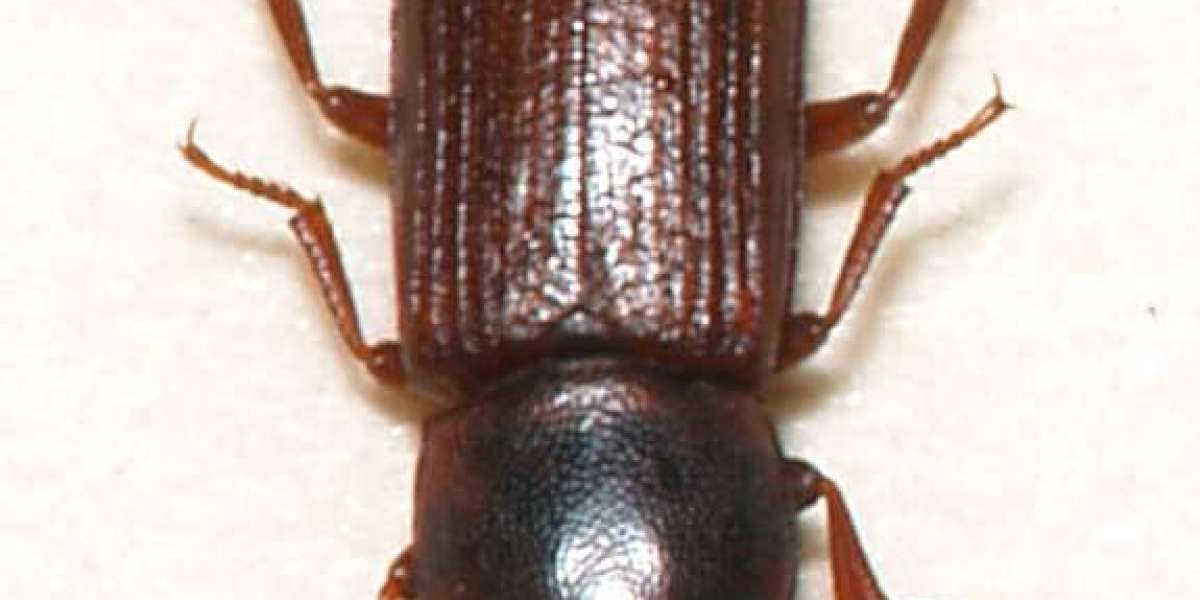
Flour beetles are small reddish-brown insects commonly associated with stored dry foods. They may be found in flour, cereal, pasta, grains, dried food products and other pantry items. Two commonly recognised types are the red flour beetle and the confused flour beetle.
These insects can enter a home through food packaging that already contains eggs, larvae or adult beetles. They may also spread from one infested package to nearby food products. This means an infestation does not always indicate that a kitchen is dirty. Even carefully maintained homes can experience stored-food pest problems.
Common Signs of a Flour Beetle Problem
Finding one small beetle does not always mean there is a large infestation, but it is a good reason to inspect nearby food. Look for tiny reddish-brown insects moving inside cupboards, shelves or food containers.
Other warning signs include:
Small insects inside flour or grain packaging
Beetles around cupboard corners and shelf joints
Damaged or contaminated dry food
Insects appearing in several stored food packages
Unusual activity around food storage areas
Check both opened and unopened packages. Thin cardboard or paper packaging may not provide enough protection if insects are already present.
Why Pantry Inspections Matter
A careful inspection helps identify the source instead of only removing the insects that are visible. Start by checking flour, rice, cereal, pasta, baking ingredients, dried beans and pet food. Pay attention to packages that have been stored for a long time.
Remove suspicious products from the cupboard and examine the packaging. If you find insects or signs of contamination, seal the affected food before disposing of it according to local waste guidance. Avoid transferring potentially infested food into another container.
After removing affected products, inspect shelf corners, cracks, cupboard joints and nearby storage areas. Small insects or food particles may remain in places that are easy to overlook.
How to Clean an Infested Pantry
Empty the affected cupboard before cleaning. Use a vacuum to remove crumbs, food particles and insects from shelf edges, corners and small gaps. Empty the vacuum contents into a sealed bag and dispose of them outside.
Clean the shelves with an appropriate household cleaning product and allow them to dry fully before replacing food. Follow the product label and avoid mixing cleaning chemicals.
Do not spray household insecticide directly onto food, food preparation surfaces or food containers. If a pest treatment is needed, use a qualified professional who can advise on suitable methods for the specific location.
Store Dry Food in Secure Containers
One of the most useful prevention steps is improving food storage. After opening a package, transfer suitable dry goods into clean, airtight containers. Strong containers with secure lids can make it harder for insects to reach the contents and may help prevent an existing problem from spreading.
Keep food storage areas dry and organised. Avoid leaving open bags on shelves, and clean up spilled flour, crumbs and grain immediately. Use older products before newly purchased ones and check packaging for damage when bringing groceries home.
Businesses that store large amounts of dry ingredients should use a clear stock rotation system and inspect deliveries before placing them into storage.
When Should You Contact a Pest Professional?
If beetles continue appearing after affected food has been removed and cupboards have been cleaned, there may be an overlooked source. A professional inspection can help identify where insects are developing and whether the issue is limited to one cupboard or affects a wider storage area.
A red flour beetle exterminator Brampton search may also help people understand the type of specialist service available in nearby communities, but the correct treatment depends on the pest, property and source of the infestation.
When contacting a pest-control provider, explain where the insects were found, how long the problem has continued and which food products were affected. Photographs or a safely contained sample may help with identification. Ask what preparation is required and whether food or kitchen items need to be removed before treatment.
Preventing Flour Beetles from Returning
Prevention should continue after the immediate problem has been addressed. Keep shelves clean, store dry food in sealed containers and inspect older products regularly. Avoid buying packages that are torn, damp or visibly damaged.
For commercial kitchens, restaurants and food storage facilities, regular inspections are especially important. Staff should know how to identify suspicious insects and report problems quickly. Good stock rotation, clean storage areas and proper waste management can reduce the conditions that allow stored-product pests to spread.
Conclusion
Flour beetles can turn ordinary pantry storage into a frustrating problem, but early identification and careful cleaning can help limit their spread. Secure containers, regular food checks and professional assessment when activity continues are useful parts of a long-term prevention plan. For advice about pest concerns and available services in Ontario communities, contact Pest AI and explain the type of insect and location where it has been found.
Frequently Asked Questions
1. What do flour beetles look like?
Flour beetles are small, reddish-brown insects. They are commonly found in stored dry foods such as flour, cereal and grains.
2. Can flour beetles enter through food packaging?
Yes. Infested products may contain eggs, larvae or adult insects when purchased. Beetles can also spread between stored food packages.
3. Should I throw away food containing flour beetles?
Food that is visibly infested or contaminated should not be eaten. Seal it before disposal and inspect nearby products.
4. How can I prevent flour beetles in my kitchen?
Store dry foods in airtight containers, clean shelves regularly, check new groceries and remove crumbs or spilled ingredients quickly.
5. When is professional pest control necessary?
Consider a professional inspection if beetles continue appearing, the source is difficult to find or several storage areas are affected.