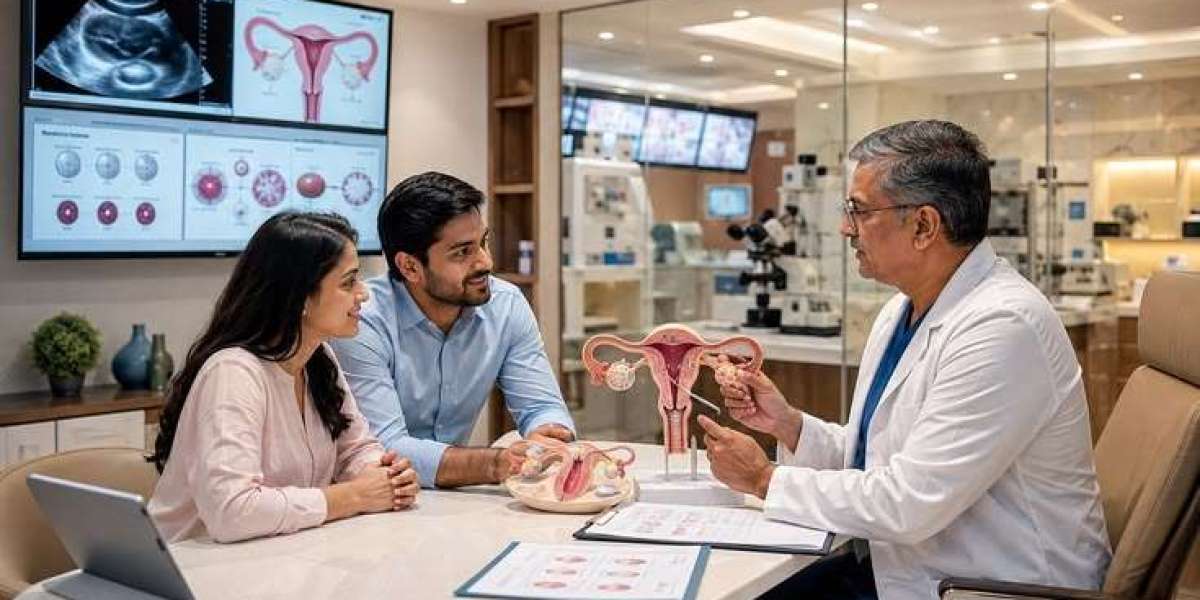

Building a family is a personal goal, but reproductive difficulties can sometimes make the process more complicated than expected. Many couples spend months trying to conceive without understanding why pregnancy is not happening. In such situations, professional reproductive health care can provide valuable answers and help identify possible solutions.
Fertility medicine now includes a wide range of diagnostic techniques and assisted conception methods. These developments allow doctors to investigate different reproductive conditions and recommend treatment according to individual medical requirements.
However, choosing the right medical professional and understanding the available treatment options are equally important. Patients need reliable information about reproductive health, clinical expertise, laboratory procedures, and the quality of fertility services available in Pakistan.
This article explores important aspects of fertility management and explains what couples should know before choosing a reproductive healthcare provider.
1. Recognizing the Early Signs of Reproductive Health Problems
Not every fertility problem produces noticeable symptoms. Some individuals discover reproductive difficulties only after attempting pregnancy for an extended period.
Nevertheless, certain changes may indicate the need for medical evaluation.
For women, these may include:
Menstrual cycles that frequently change in length.
Extremely painful menstrual periods.
Unusual bleeding between periods.
Symptoms associated with hormonal disturbances.
A history of pelvic inflammatory disease.
Previous reproductive surgery.
For men, potential warning signs may include testicular discomfort, sexual difficulties, previous reproductive injuries, or a history of conditions affecting sperm production.
These symptoms do not necessarily indicate infertility. However, discussing them with a qualified healthcare professional can help identify conditions that require attention.
2. How an Infertility Specialist Develops a Personalized Treatment Strategy
An infertility specialist plays an important role in helping couples understand their reproductive health and explore appropriate medical solutions.
Rather than following the same treatment approach for every patient, the doctor considers several individual factors before making recommendations.
These may include reproductive age, duration of infertility, previous medical conditions, hormonal findings, and earlier treatment experiences.
The specialist may also discuss reproductive goals, including whether the couple prefers natural conception or requires assistance through medical procedures.
One important responsibility is explaining the difference between treating an underlying condition and improving the possibility of pregnancy.
For example, managing a hormonal disorder may help restore ovulation, whereas a couple with severe tubal damage may require a different treatment strategy.
Patients should feel comfortable discussing their concerns and asking questions during consultations. Clear explanations help them understand why a particular treatment is being recommended.
3. The Connection Between Reproductive Anatomy and Successful Conception
Pregnancy depends on several anatomical structures working together. Understanding these structures provides useful insight into how certain medical conditions interfere with conception.
The Ovaries
The ovaries contain follicles that support egg development. Hormonal signals regulate follicular growth and the release of an egg during ovulation.
The Fallopian Tubes
These structures provide the pathway through which the egg travels. Fertilization usually occurs within a fallopian tube.
The Uterus
The uterus provides the environment in which an embryo can implant and develop during pregnancy.
The Cervix
The cervix connects the uterus with the vagina and plays a role in reproductive processes, including sperm passage.
The Male Reproductive System
The testes produce sperm, while other reproductive structures contribute to sperm maturation and transportation.
Problems involving any of these structures may influence fertility. This is why doctors sometimes recommend imaging studies, physical examinations, or specialized laboratory investigations before selecting treatment.
4. Understanding Male Fertility Beyond Basic Sperm Count
Male reproductive health is sometimes evaluated too narrowly. Although sperm count is an important measurement, it does not provide a complete picture of male fertility.
A semen analysis generally examines several characteristics:
Sperm concentration.
Total sperm number.
Progressive motility.
Overall sperm movement.
Sperm morphology.
Semen volume.
Other factors may also require investigation.
For example, oxidative stress, hormonal abnormalities, genetic conditions, and certain testicular disorders can influence sperm production or function.
In selected cases, doctors may recommend additional investigations, such as hormonal testing, genetic assessments, or a specialist examination.
Treatment depends on the underlying cause. Some male reproductive conditions can be managed medically or surgically, while others may require assisted reproductive techniques.
5. Innovative Techniques Used in Contemporary Fertility Treatment
Reproductive healthcare includes several techniques designed to address different conception difficulties.
Conventional IVF: Eggs and sperm are placed together under controlled laboratory conditions to allow fertilization.
ICSI: An embryologist injects a single sperm directly into an egg. This approach may be recommended for selected male-factor infertility cases.
Embryo Cryopreservation: Suitable embryos can be preserved for potential future use through specialized freezing techniques.
Blastocyst Culture: Embryos may be cultured in the laboratory until a later developmental stage before transfer, depending on the clinical situation.
Assisted Hatching: A laboratory technique that involves making an opening in the embryo's outer covering. It may be considered in selected circumstances, although its routine benefit is not established for all patients.
Preimplantation Genetic Testing: Certain embryos can be tested for specific chromosomal or genetic conditions when medically indicated.
Not every patient benefits from every technique. The treating doctor and embryology team should explain the reasons for recommending additional procedures and discuss their limitations.
6. Researching the Best IVF Center in Pakistan: What Patients Should Investigate
Choosing the best IVF center in Pakistan should involve a detailed evaluation of clinical quality and patient care.
The appearance of a clinic or the number of procedures advertised online cannot independently establish its medical standards.
Patients should investigate the following areas.
Professional Credentials
Check whether the doctors have relevant specialist qualifications, clinical experience, and appropriate professional registration.
Embryology Team
Ask about the experience of the laboratory professionals responsible for egg handling, fertilization, embryo culture, and cryopreservation.
Laboratory Quality Management
Proper monitoring, equipment maintenance, environmental controls, and documented laboratory procedures are important elements of IVF laboratory quality.
Treatment Information
The clinic should provide understandable information about procedures, medication schedules, possible complications, and follow-up requirements.
Patient Rights
Confidentiality, informed consent, and respectful communication should be fundamental parts of reproductive healthcare.
Outcome Reporting
Ask how success rates are calculated and whether the information is specific to your age group and treatment circumstances.
A clinic that provides realistic information and welcomes questions can help patients make more informed healthcare decisions.
7. Understanding the Different Stages of an IVF Cycle
IVF involves several coordinated stages. Understanding the process beforehand can help patients prepare for appointments and treatment requirements.
Ovarian Stimulation
Medication is prescribed to encourage the development of multiple ovarian follicles. The response is monitored through ultrasound examinations and sometimes blood tests.
Egg Retrieval
When the follicles reach an appropriate stage, eggs are collected through a medical procedure performed under suitable clinical supervision.
Fertilization
Collected eggs are combined with sperm using conventional IVF or ICSI, depending on the medical recommendation.
Embryo Development
The embryology team monitors fertilized eggs as they develop. Not every fertilized egg will necessarily become a suitable embryo for transfer.
Embryo Transfer
An appropriate embryo may be placed inside the uterus through a specialized procedure.
Pregnancy Assessment
A blood test is performed at the recommended time to determine whether pregnancy has occurred.
The number of appointments and the overall duration of treatment vary between patients. Some individuals may also require additional steps, such as embryo freezing or further investigations.
8. Important Financial and Medical Decisions Before Starting IVF
IVF requires medical preparation as well as financial planning. Couples should understand the complete treatment arrangement before beginning a cycle.
The estimated expenses may include consultations, diagnostic tests, stimulation medication, egg retrieval, laboratory fertilization, embryo transfer, and embryo storage.
Additional costs may arise when specialized procedures or further investigations are required.
Patients should request a written breakdown of expected expenses and ask which services are included in the quoted treatment package.
Medical preparation is equally important. Existing health conditions, current medications, previous surgical procedures, and reproductive history should be discussed with the treating doctor.
Couples should also understand that an IVF cycle does not guarantee pregnancy. Sometimes, treatment may need to be adjusted or repeated depending on the medical outcome.
A well-informed decision considers both the potential benefits and the limitations of treatment.
9. Creating a Healthier Environment for Reproductive Well-Being
Reproductive health is influenced by daily habits, general medical conditions, and environmental exposures.
Although lifestyle improvements cannot reverse every cause of infertility, certain habits may support overall reproductive health.
Nutrition: A varied diet containing vegetables, fruits, whole grains, and appropriate protein sources supports general health.
Physical Activity: Regular moderate exercise contributes to cardiovascular and metabolic well-being.
Tobacco Avoidance: Smoking can negatively affect reproductive function in both men and women.
Alcohol and Other Substances: Discuss substance use with a healthcare professional when planning pregnancy, and avoid harmful recreational substances.
Sleep: Maintaining a consistent sleep routine supports general health and hormonal regulation.
Medical Monitoring: Conditions such as diabetes and thyroid disorders should be managed with appropriate medical guidance.
Couples should also avoid self-prescribing fertility medication. Even commonly promoted supplements may be unnecessary or unsuitable for certain individuals.
Conclusion
Reproductive healthcare is constantly developing, providing couples with different ways to investigate fertility problems and explore treatment possibilities. Understanding the biological processes behind conception, recognizing potential reproductive conditions, and obtaining appropriate medical advice are important steps toward making informed decisions.
An experienced infertility specialist can help identify individual reproductive concerns and explain suitable treatment approaches. Similarly, finding the best IVF center in Pakistan requires careful consideration of medical qualifications, embryology expertise, laboratory standards, ethical practices, and transparent treatment information.
Every fertility journey has different requirements. Choosing evidence-based medical care and maintaining realistic expectations can help couples approach their reproductive decisions with greater confidence.
Frequently Asked Questions
1. Can a couple experience infertility even when both partners appear healthy?
Yes. Some reproductive conditions do not produce obvious symptoms. Medical investigations may identify issues that are not noticeable during everyday life. In some cases, infertility remains unexplained despite standard testing.
2. Does embryo freezing affect the possibility of future pregnancy?
Embryo freezing allows suitable embryos to be preserved for potential future treatment. Modern vitrification techniques have improved embryo survival after freezing and warming, although outcomes depend on embryo characteristics and individual circumstances.
3. Is ICSI necessary during every IVF cycle?
No. Conventional IVF is appropriate for many couples. ICSI may be recommended when there are particular sperm-related problems, previous fertilization difficulties, or other specific clinical indications.
4. Why do doctors recommend monitoring during ovarian stimulation?
Monitoring helps assess follicular development and the body's response to medication. It allows doctors to adjust treatment when necessary and determine an appropriate time for egg retrieval.
5. Can fertility treatment be planned differently for each patient?
Yes. Treatment is individualized according to age, reproductive diagnosis, previous medical history, test results, and personal circumstances. A specialist determines which approach is most appropriate after evaluating the patient.