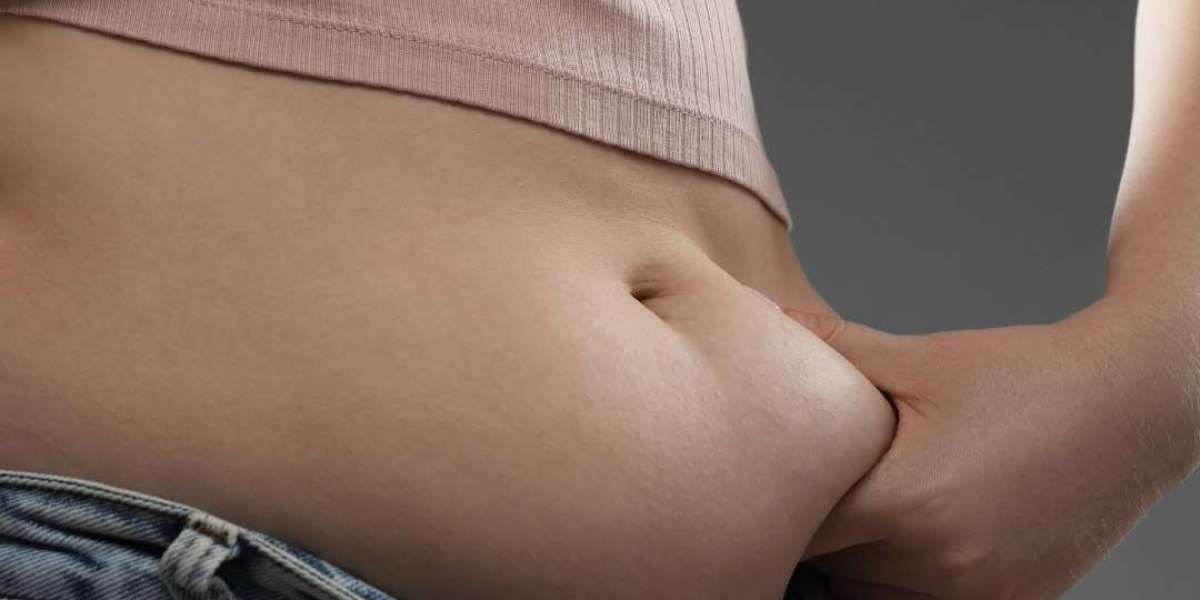

In some cases, these changes are related to normal postoperative swelling and fluid movement within the tissues.
Understanding fluid retention is important for people considering abdominoplasty in Islamabad. Knowing what to expect can help patients recognise normal recovery changes and understand when medical assessment may be necessary.
Why Does Fluid Retention Occur After Surgery?
Surgery causes a natural inflammatory response as the body begins repairing affected tissues. During this process, fluid can temporarily accumulate around the treated area.
Changes in circulation, tissue irritation, and reduced physical activity may also influence fluid distribution.
As a result, patients may experience abdominal puffiness that gradually improves during recovery. The amount of swelling and the time required for it to settle vary between individuals.
Fluid Retention and Normal Swelling
Fluid retention and postoperative swelling are related, but they are not always the same issue.
Normal swelling occurs as part of the body's response to surgery. General fluid retention may also be influenced by factors such as medication, dietary habits, hormonal changes, and existing medical conditions.
Patients should not attempt to diagnose the cause based only on the appearance of their abdomen.
A surgeon can examine the area and determine whether the changes are consistent with expected healing.
What Does Postoperative Fluid Buildup Look Like?
Temporary swelling may cause the abdomen to appear larger than expected after surgery.
Some patients notice:
A feeling of fullness around the stomach.
Mild firmness beneath the skin.
Tightness when changing positions.
Puffiness near the incision.
Gradual changes in abdominal appearance.
These symptoms may fluctuate during the day. However, rapidly increasing swelling or significant discomfort should be reported to the surgical team.
The Difference Between Swelling and a Seroma
A seroma is a collection of fluid that develops beneath the skin after surgery. It is different from general postoperative swelling and may require medical evaluation.
Patients may notice a localised soft or fluid-like area, unusual fullness, or swelling that does not improve as expected.
A healthcare professional can assess the area and decide whether monitoring or treatment is necessary.
Patients should never attempt to drain, press, or massage a suspected fluid collection themselves.
The Role of Compression Garments
Surgeons may recommend a compression garment after a tummy tuck to support the treated tissues.
When correctly fitted and used according to medical instructions, it may help manage swelling and provide support during movement.
Patients should avoid wearing garments that are excessively tight. Poor fit can cause discomfort, skin irritation, or pressure on sensitive areas.
If a garment feels uncomfortable or causes unusual skin changes, patients should contact their surgical team.
How Movement Supports Recovery
Gentle movement may help circulation and reduce the effects of prolonged inactivity.
Patients are often advised to begin short walks when their surgeon considers it appropriate. Movement should remain controlled and should not involve excessive stretching or abdominal strain.
During early recovery, strenuous workouts and heavy lifting are generally restricted.
The timing of returning to normal activity should be based on medical advice rather than personal expectations.
Dietary Habits and Hydration
Balanced nutrition supports the body's normal healing processes. Patients should follow a suitable diet containing protein, vegetables, fruits, and other essential nutrients.
Adequate hydration is also important unless a healthcare professional has recommended fluid restrictions.
Some individuals may be advised to moderate excessive salt intake because high sodium consumption can contribute to fluid retention.
However, patients should avoid extreme dietary changes or using products marketed as rapid fluid-removal solutions. Any concerns about persistent swelling should be discussed with a medical professional.
When Should Patients Seek Medical Advice?
Although some swelling is expected after surgery, certain symptoms may indicate a complication.
Patients should contact their surgeon if they experience:
Sudden or rapidly increasing abdominal swelling.
Severe or worsening pain.
Increasing redness or warmth.
Fever or chills.
Unusual wound discharge.
A new or enlarging fluid-like lump.
Sudden shortness of breath, chest pain, or fainting requires emergency medical attention.
Prompt assessment can help identify problems and determine the appropriate treatment.
How Long Does It Take for Swelling to Improve?
Postoperative swelling usually decreases gradually. Some patients notice improvement during the first several weeks, while mild swelling may remain for a longer period.
The timeline depends on the extent of surgery, individual healing characteristics, and general health.
Patients should not judge their final abdominal contour too early. The appearance of the treated area can continue changing as tissues recover.
Discussing Recovery at Enfield Royal Clinic
Individuals interested in abdominal contouring can discuss fluid retention, swelling, and postoperative care at Enfield Royal Clinic. A consultation can help explain expected recovery changes, suitable compression garment use, and symptoms that require medical attention.
Patients should ask how postoperative swelling will be monitored and when follow-up examinations should take place.
Final Thoughts
Fluid-related swelling can be part of the normal healing process after a tummy tuck. However, unusual or increasing swelling should not be ignored.
Following medical instructions, maintaining suitable hydration, and returning to gentle movement when permitted can support recovery. Regular follow-up appointments also help ensure that the healing process is monitored appropriately.