
A neat finish can make a big difference to how trousers and other clothes look. Hand Stitching Tailor Dubai services are useful when a garment needs careful finishing, a subtle hem or a detail that should not look too noticeable. Hand sewing gives a tailor control over each stitch and can be a suitable choice for selected clothing alterations.
What Makes Hand Stitching Different?
Hand stitching is completed with a needle and thread rather than a sewing machine. The tailor works through the fabric carefully and controls the length, position and tension of each stitch.
This method can be useful when the outside of a garment needs a clean appearance. For example, formal trousers may need a hem that looks simple and does not draw attention. A careful hand finish can help maintain the original style of the garment.
The right method depends on the fabric, design and intended use. Some garments are better suited to machine sewing, while others benefit from hand finishing. A tailor can inspect the material and recommend a suitable approach.
When Should You Choose Hand-Finished Alterations?
Hand finishing can be a good option for formal clothing, delicate materials and garments where visible stitching should be limited. It may also be useful when a small section needs careful repair or adjustment.
For example, a pair of dress trousers may need shortening while keeping a neat outer appearance. A tailor can check the original hem and discuss whether it can be recreated after the alteration.
Invisible hand stitching is often discussed when people want a hem that is difficult to notice from the outside. The final result depends on the fabric, thread colour, stitch technique and the tailor's skill.
Why Accurate Measurements Matter
Good stitching starts before the needle is used. The tailor needs to understand how the garment should fit and where the alteration should begin.
For trouser shortening, the correct length can depend on the shoes normally worn with the trousers. A person who wears formal shoes may prefer a different break from someone who usually wears trainers.
It is helpful to bring the shoes you plan to wear with the garment. The tailor can then mark the length more accurately. Try on the trousers and stand naturally during measurement so the final result feels comfortable.
Hand Stitching for Formal and Everyday Trousers
Formal trousers often require a neat and balanced finish. The hem should sit evenly around both legs and should not twist when the wearer walks. A suitable thread colour can also help the stitching blend with the fabric.
Everyday trousers may need a stronger finish because they are worn and washed frequently. The tailor should consider how the garment will be used before selecting the stitching method.
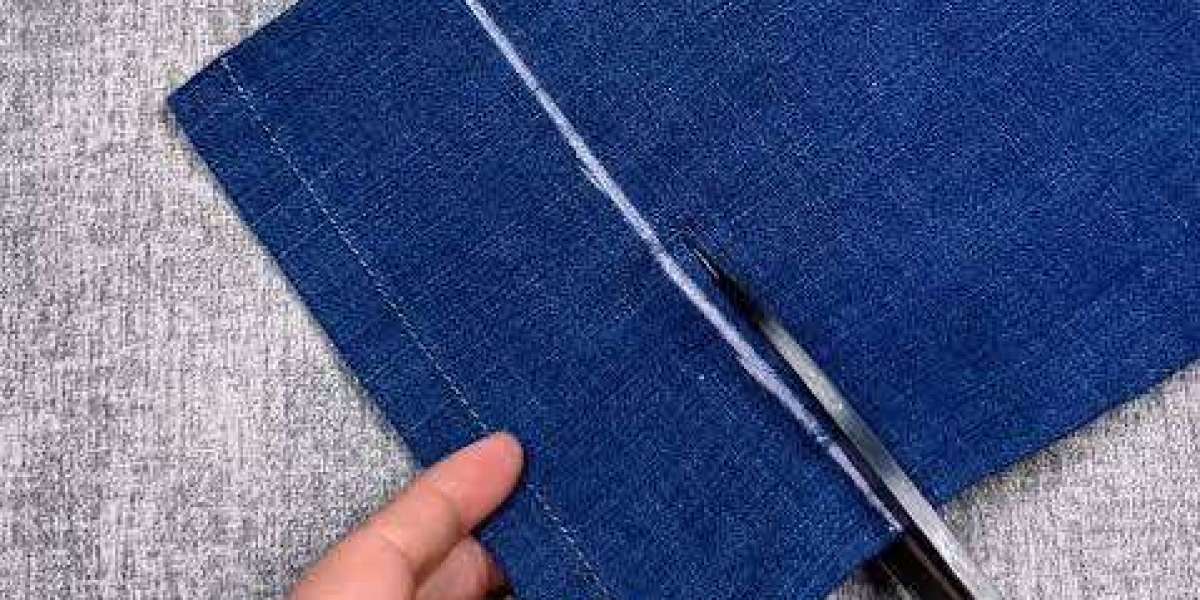
Some customers may also need Trouser bottom stitching when the lower edge has become loose or damaged. The tailor should inspect the fabric first to decide whether a repair or a complete hem adjustment is more suitable.
Protect the Original Look of Your Clothing
An alteration should improve the fit without changing the garment's overall style unnecessarily. Before work begins, explain whether you want to keep the original hem, preserve decorative details or maintain a particular trouser length.
This is especially important for expensive or favourite clothing. If the garment has a special finish, show it to the tailor and ask how the alteration may affect it.
Avoid making large changes without checking the result first. If you are unsure about the final length, discuss the measurement and ask for the tailor's recommendation.
Questions to Ask Before Giving Your Clothes to a Tailor
A short conversation can help prevent misunderstandings. Explain what needs to be changed and ask which stitching method is suitable. You can also ask how long the work may take and whether the garment will be ready for a particular date.
If the fabric is delicate, ask how it will be handled. If the alteration is complex, request an explanation of the planned work before approving it.
Check the garment when collecting it. Try it on if possible and make sure the hem is even, the stitching is secure and the fit feels comfortable.
Conclusion
Hand finishing can be valuable when a garment needs careful detail and a neat appearance. The best result comes from accurate measurements, suitable thread and a stitching method that matches the fabric. For customers looking for trouser stitching and clothing alterations in Dubai, Tailor Dip offers hand and machine stitching options to consider.
Frequently Asked Questions
1. What is hand stitching in tailoring?
It is a sewing method completed manually with a needle and thread. A tailor controls each stitch to create or repair a garment finish.
2. Is hand stitching suitable for formal trousers?
It can be suitable for selected formal trouser hems where a subtle finish is preferred. The fabric and original construction should be checked first.
3. Is hand stitching stronger than machine stitching?
Not in every situation. Strength depends on the stitch type, thread, fabric and quality of the work.
4. Can a tailor shorten trousers by hand?
Yes. A tailor can measure and shorten trousers using a suitable hand-sewing method, depending on the garment.
5. Should I bring shoes when getting trousers shortened?
Yes. Bringing the shoes you usually wear can help the tailor judge the correct trouser length.