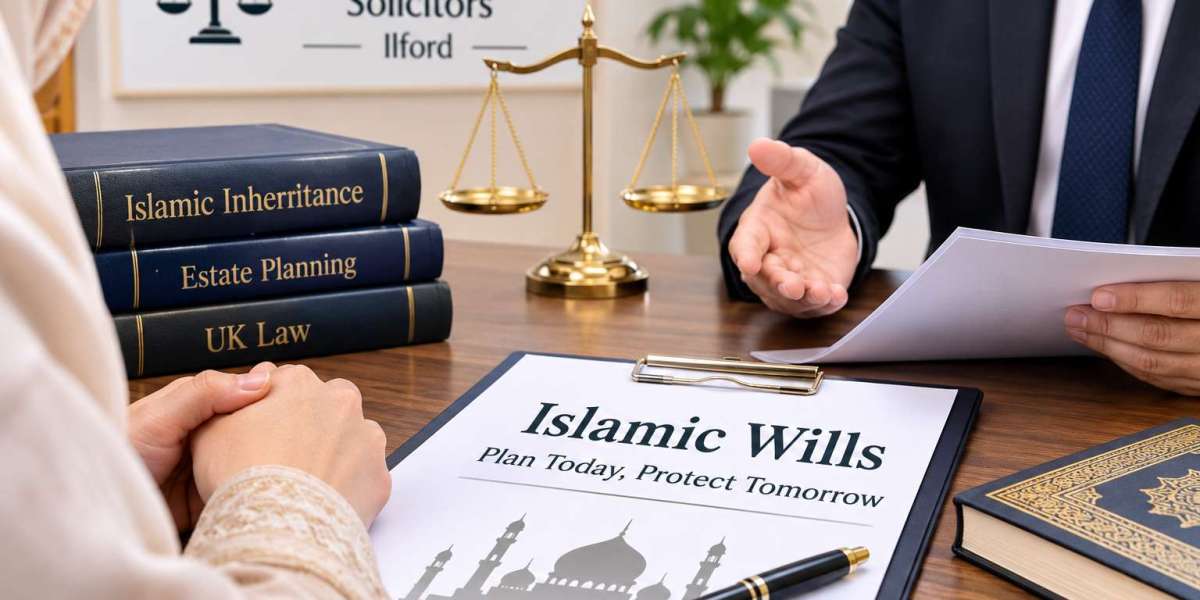

Planning how your estate will be distributed after your death is an important responsibility. For Muslims living in the UK, making arrangements that respect Islamic inheritance principles while complying with English law requires careful consideration. Islamic wills provide a way to document your wishes, identify beneficiaries and make arrangements for your loved ones according to your religious beliefs.
Creating a suitable will is not simply about distributing money or property. It also involves considering family responsibilities, appointing executors, making charitable provisions and protecting the interests of future generations. With appropriate legal guidance, you can prepare a document that reflects your wishes and addresses the legal requirements applicable in England and Wales.
Why Is Estate Planning Important for Muslims in the UK?
Estate planning allows individuals to decide how their assets should be managed and distributed after their death. For Muslim families, this process often involves following the inheritance principles outlined in Islamic teachings.
Islamic inheritance rules identify specific shares for eligible relatives, including spouses, children and parents. These principles help establish a structured approach to distributing an estate while recognising the rights of family members.
However, Muslims living in England and Wales also need to consider domestic inheritance legislation. A properly prepared will can document religious wishes and provide important instructions for executors. It is essential to understand that a will cannot automatically disapply mandatory provisions of English law, so specialist legal advice is important.
Understanding the Principles Behind an Islamic Will
Islamic inheritance is based on principles established in the Quran and Sunnah. These principles explain how a deceased person's estate should be distributed among eligible heirs.
Generally, Islamic inheritance planning involves settling funeral expenses, outstanding debts and valid bequests before distributing the remaining estate according to the applicable inheritance shares.
A commonly recognised principle allows a Muslim to make a bequest of up to one-third of their net estate to eligible non-heirs, subject to relevant Islamic rules. The remaining estate is generally distributed among eligible heirs according to their prescribed shares.
These arrangements can become complicated when family circumstances involve multiple marriages, children from different relationships, overseas assets or vulnerable beneficiaries. Understanding the relevant principles before preparing a will can help prevent confusion and disagreements.
What Should You Include in Your Will?
Preparing a comprehensive will involves more than identifying who should receive your property. It is important to consider different aspects of your personal and financial circumstances.
Some important provisions to consider include:
Appointment of executors: Choose suitable individuals who can manage your estate and carry out the responsibilities outlined in your will.
Guardianship arrangements: Parents of young children should consider appointing appropriate guardians, subject to the applicable legal requirements.
Inheritance distribution: Clearly document your intended arrangements for distributing your estate.
Charitable donations: Identify any charitable organisations or causes you wish to support through a valid bequest.
Funeral wishes: Record your preferences concerning funeral arrangements and burial.
Outstanding debts: Consider any financial obligations that should be addressed following your death.
Trust arrangements: Consider whether trusts may be appropriate for protecting assets or supporting beneficiaries who need additional assistance.
Including these details can make the administration of your estate more straightforward and provide clearer guidance to your executors and family members.
How to Make a Will That Reflects Islamic Principles?
Preparing a will requires careful planning, particularly when religious inheritance principles and UK legal requirements both need to be considered.
The first step is to identify your assets and establish their approximate value. This may include property, savings, investments, business interests and other valuable possessions.
Next, consider your family circumstances and identify the relatives who may qualify as Islamic heirs. You should also consider any outstanding debts, charitable intentions and specific bequests that you wish to make.
Another important consideration is selecting suitable executors. These individuals will be responsible for dealing with the administration of your estate, so choosing people who understand their responsibilities is important.
For individuals researching will islam requirements, it is particularly important to understand that religious inheritance principles do not replace the need for a legally valid document under UK law. Professional advice can help ensure that your intentions are properly recorded and that potential legal complications are considered.
Understanding Inheritance Tax and Estate Planning
Inheritance Tax is another important consideration when preparing an estate plan in the UK. Depending on the value and circumstances of an estate, tax may become payable following someone's death.
The standard Inheritance Tax rate is generally 40% on the taxable amount above the available threshold, although exemptions, reliefs and other provisions may apply.
Islamic inheritance arrangements can sometimes create additional estate planning considerations because assets may need to pass to several beneficiaries rather than being transferred entirely to a surviving spouse.
For this reason, it is worth considering how your intended distribution could affect the overall tax position of your estate.
Trust planning, available tax allowances and relevant exemptions may provide opportunities to structure your arrangements more effectively. However, the suitability of these options depends on individual circumstances and the applicable legal and tax rules.
Seeking professional advice before finalising your will can help you understand the potential implications and make informed decisions.
Why Choose Specialist Solicitors for Islamic Will Planning?
Preparing an estate plan that considers both Islamic inheritance principles and UK legislation requires an understanding of different legal and religious considerations.
An experienced solicitor can help you understand the requirements, identify potential issues and prepare appropriate documentation based on your circumstances.
At Farani Taylor, clients can receive guidance on Islamic wills, estate planning, inheritance arrangements and relevant tax considerations. The firm also offers support to individuals and families who want their wishes documented clearly while taking account of their religious beliefs.
For individuals and families in East London, Farani Taylor Solicitors Ilford provides access to legal advice on estate planning and Islamic will preparation. Professional guidance can help you consider your options and understand the steps involved in creating an appropriate will.
Keeping Your Will Updated
Preparing a will is an important first step, but your circumstances may change over time. Marriage, divorce, the birth of children, property purchases and changes in financial circumstances may affect your estate planning requirements.
Reviewing your will regularly can help ensure that your documented wishes remain relevant. You should also consider updating your arrangements when there are significant changes to inheritance legislation or your personal circumstances.
Keeping the original document secure and ensuring that your executors know where to find it can also help avoid unnecessary difficulties during estate administration.
Frequently Asked Questions
1. Can Muslims Make an Islamic Will in the UK?
Yes. Muslims living in the UK can prepare wills that reflect Islamic inheritance principles. However, the document must also satisfy the relevant legal requirements in England and Wales.
2. How Much of an Estate Can Be Left to Charity?
Under commonly applied Islamic inheritance principles, up to one-third of the net estate may generally be allocated through a bequest to eligible non-heirs, including charities, subject to the applicable rules.
3. Can I Appoint Guardians for My Children?
Yes. Parents can include guardianship wishes in their wills. The legal effectiveness of an appointment depends on the circumstances and applicable law.
4. Does an Islamic Will Help With Inheritance Tax?
An Islamic will can be prepared alongside appropriate estate planning arrangements. However, the tax implications depend on the estate, beneficiaries, available exemptions and the structure of the arrangements.
5. When Should I Prepare an Islamic Will?
It is advisable to consider preparing a will as soon as you have assets, dependants or specific inheritance wishes. Reviewing it after significant life changes is equally important.
Conclusion
Planning your estate carefully can help protect your family's interests and ensure your wishes are clearly documented. For Muslims in the UK, understanding Islamic inheritance principles alongside English legal requirements is an important part of preparing an appropriate will.
Taking professional legal advice can help you consider inheritance distribution, guardianship, charitable bequests and tax planning before finalising your arrangements. With proper preparation, you can create a clearer plan for your estate and provide greater peace of mind for the people who matter most.
Contact Us: https://faranitaylor.com/contact-us/
Social links: https://instagram.com/faranitaylor