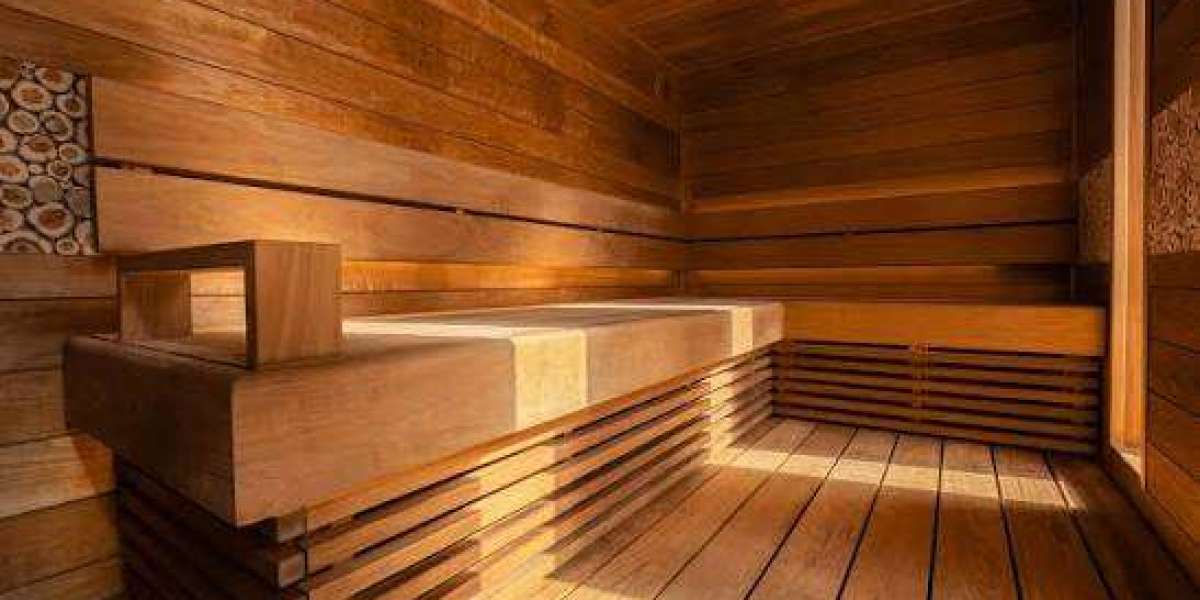

What Is the Best Material for Sauna?
Choosing the best material for sauna construction can make a major difference in comfort, appearance, durability, and long-term maintenance. Sauna environments experience repeated cycles of high heat and changing humidity, so the materials need to perform well under these conditions. Wood remains one of the most popular choices for sauna interiors because it creates a warm, natural atmosphere and can remain comfortable to touch when the appropriate species is selected. The best material for sauna use ultimately depends on where the sauna will be installed, how frequently it will be used, your preferred appearance, and your budget.
Why Is Wood Considered the Best Material for Sauna Interiors?
Wood is often considered the best material for sauna interiors because it provides a combination of natural beauty, thermal comfort, and a traditional wellness atmosphere. Unlike many dense materials that can become extremely hot to touch, suitable sauna woods can remain relatively comfortable for benches and backrests. Wood also creates the familiar visual character associated with traditional saunas. When comparing the best material for sauna interiors, it is important to consider the specific wood species rather than assuming that every type of timber will perform equally well in a heated environment.
Is Cedar the Best Material for Sauna Construction?
Cedar is frequently regarded as one of the best material for sauna options, particularly in North American sauna design. Western red cedar is valued for its natural aroma, attractive warm color, and good resistance to moisture-related deterioration. It can create a classic and luxurious appearance while providing a comfortable interior environment. Cedar can be particularly attractive for outdoor sauna projects where the exterior may experience changing weather conditions. However, cedar is not automatically the best choice for every homeowner because some people prefer a more neutral scent or a lighter-colored interior.
Is Hemlock a Good Material for a Sauna?
Hemlock is another strong contender when choosing the best material for sauna walls, ceilings, and other interior surfaces. Canadian and western hemlock are popular because they offer a light, clean appearance with relatively subtle grain and little natural aroma compared with strongly scented woods. Hemlock can provide an attractive modern aesthetic while offering a practical balance between performance and cost. For homeowners who want a sauna interior that looks bright and understated rather than heavily rustic, hemlock can be an excellent material choice.
Is Aspen the Best Material for Sauna Benches?
Aspen can be an excellent choice when selecting the best material for sauna benches and backrests because it is light in color, relatively low in density, and has a subtle natural appearance. Bench surfaces come into direct contact with the skin, making the touch characteristics of the wood particularly important. Aspen is also known for having very little noticeable aroma, which can appeal to people who prefer a neutral sauna environment. For this reason, some sauna designs use one wood species for the walls and another, such as aspen, for benches and backrests.
Is Spruce Suitable as a Sauna Material?
Spruce has a long history in Nordic sauna construction and remains a practical option when considering the best material for sauna walls and ceilings. Its light appearance and natural grain can create a traditional Scandinavian atmosphere. Spruce is also widely available and can be a more economical option than premium cedar. However, the specific grade and quality of the lumber matter, especially in areas where users will have direct skin contact. Choosing properly prepared, suitable sauna-grade material is important for achieving a comfortable and durable result.
What Is the Best Material for Sauna Benches?
The best material for sauna benches should be selected with comfort, heat exposure, durability, and surface quality in mind. Aspen, basswood, and certain other low-resin woods are commonly considered suitable choices for seating surfaces because they can feel comfortable against bare skin. The bench wood should be smoothly finished without sharp edges or rough surfaces. When deciding on the best material for sauna benches, it can be useful to prioritize touch comfort rather than simply choosing the same wood used on the walls and ceiling.
What Is the Best Material for Sauna Walls and Ceilings?
The best material for sauna walls and ceilings needs to handle repeated heating and cooling while maintaining its appearance. Cedar, hemlock, spruce, and other purpose-suitable sauna woods can all be used depending on the desired design and construction approach. The wood should be properly dried and suitable for the temperatures expected inside the sauna. Walls and ceilings also contribute significantly to the visual atmosphere, so homeowners should consider grain, color, aroma, and overall design when selecting the best material for sauna interiors.
What Materials Should Be Avoided Inside a Sauna?
When selecting the best material for sauna construction, it is just as important to understand which materials may be inappropriate for heated interior surfaces. Ordinary treated lumber, unsuitable paints, strong finishes, and materials that can release unwanted odors or substances when heated should not be used unless specifically approved for sauna applications. Sauna interiors should be designed around materials that are appropriate for elevated temperatures and humidity changes. Following the sauna and heater manufacturer's specifications is the safest way to determine which materials and finishes are suitable for a particular installation.
What Is the Best Material for an Outdoor Sauna?
For an outdoor sauna, the best material for sauna construction needs to account for both the hot interior environment and changing outdoor weather. The exterior structure may be exposed to rain, snow, sunlight, wind, and seasonal temperature changes, so exterior materials require different considerations from interior bench wood. Cedar and appropriately treated or thermally modified woods can be considered for exterior applications, depending on the construction design. Proper roofing, drainage, weather protection, and ventilation are equally important because even high-quality materials can suffer when water is allowed to remain around the structure.
Does Sauna Wood Need to Be Treated?
Whether the best material for sauna needs treatment depends on where the material is being used and what type of treatment is being considered. Interior surfaces that come into direct contact with users are generally selected specifically for sauna conditions and are not treated with ordinary household finishes. Exterior wood can have different requirements because it must withstand outdoor weather. Homeowners should avoid applying random stains, paints, or sealers to sauna interiors without confirming that they are specifically appropriate for the intended temperature and application. Manufacturer guidance should always be followed before applying any finish.
How Does Material Choice Affect Sauna Maintenance?
Choosing the best material for sauna construction can influence how much maintenance the sauna requires over its lifespan. High-quality, properly selected wood can maintain its appearance when the sauna is ventilated correctly and cleaned using suitable methods. Benches may require more attention because they experience direct contact with perspiration and body oils. Regular cleaning, drying, ventilation, and inspection can help protect the wood regardless of species. Material quality is important, but proper installation and maintenance are equally significant in preserving a sauna's performance and appearance.
Is Expensive Wood Always the Best Material for Sauna?
The most expensive option is not necessarily the best material for sauna because different woods provide different advantages. Cedar may appeal to homeowners who want a distinctive aroma and classic appearance, while hemlock can be attractive for those seeking a clean, neutral design. Aspen may be preferred for comfortable bench surfaces, while spruce can provide a traditional Nordic aesthetic at a practical price. Instead of choosing solely based on cost, consider the specific location of the wood, how it will be touched, how much scent you prefer, and the environmental conditions surrounding the sauna.
Can You Combine Different Woods in One Sauna?
Combining different species can be an effective way to find the best material for sauna construction while balancing comfort, appearance, and budget. For example, a sauna could feature hemlock or spruce walls with aspen benches, or cedar could be used as an accent while another suitable wood covers larger interior surfaces. Using different materials can create visual contrast while allowing each species to perform where it is most appropriate. The key is to select compatible, properly prepared materials and ensure that every product is suitable for its intended location inside or outside the sauna.
How Do You Choose the Best Material for Your Sauna?
Finding the best material for sauna construction requires looking beyond a single wood species and considering the complete sauna design. Think about whether the sauna is indoor or outdoor, how frequently it will be used, the amount of direct skin contact each surface receives, your preferred aroma and appearance, local climate, maintenance expectations, and overall budget. Cedar, hemlock, aspen, spruce, and other suitable materials each have their own advantages. By matching the material to the application rather than choosing purely based on popularity, homeowners can create a comfortable, attractive, and long-lasting sauna. Chinook Hot Tubs and Saunas can help homeowners explore quality sauna solutions and make informed decisions when selecting materials for a relaxing wellness space.