
Act Quickly When Water Reaches the Carpet
Water on a carpet can quickly become more complicated than an ordinary cleaning issue. Whether the source is a plumbing problem, appliance leak, overflow, or another incident, the first priority is identifying and stopping the source when it is safe to do so. Prompt action can reduce the amount of material affected and simplify the restoration process.
Determine Where the Moisture Spread
Homeowners arranging Water Removal Services Chicago IL should consider more than the visible wet area. Moisture can travel through carpet fibers, padding, and underlying materials, sometimes extending beyond what can be seen on the surface. Professional water restoration procedures include evaluating affected materials and developing an appropriate drying strategy rather than relying only on surface appearance.
Separate the Water Source From the Damage
The source of water can influence how the affected area should be handled. A clean supply-line leak may present different concerns from water associated with sewage, flooding, or contaminated sources. Identifying the source helps restoration professionals determine appropriate precautions, equipment, and procedures. If the source is still active, it should be addressed before restoration work can be completed properly.
Focus on Thorough Drying
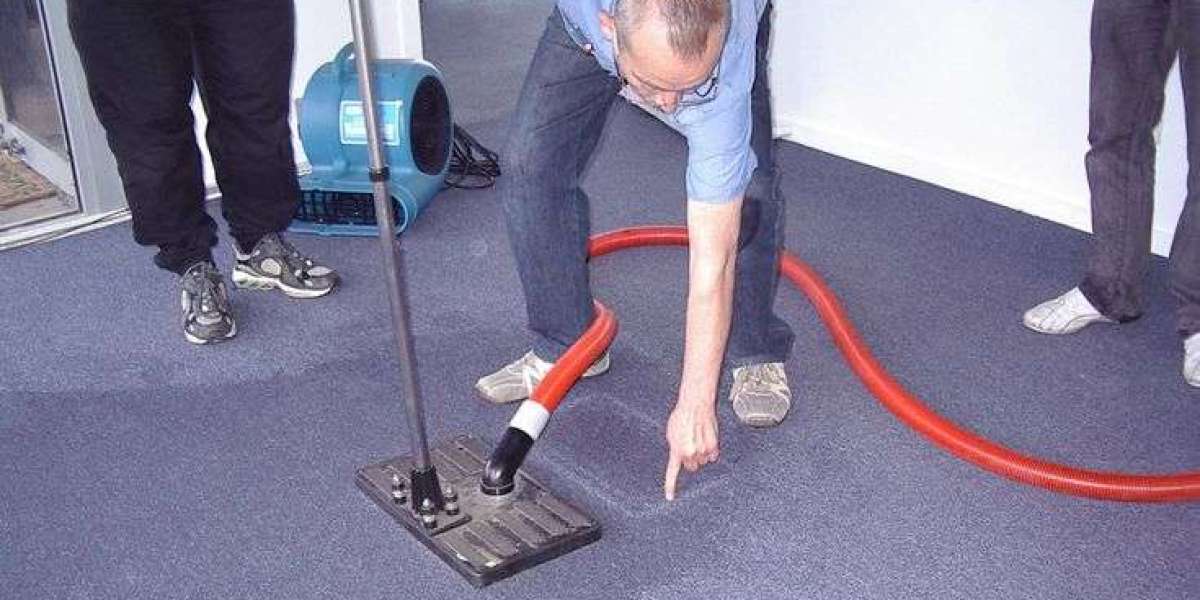
Removing visible water is only one part of restoration. Carpet, padding, and other building materials can retain moisture after the surface appears relatively dry. Professional drying involves appropriate equipment and monitoring to determine whether affected materials are actually drying. The IICRC identifies structural drying as an important component of professional water damage restoration.
Check the Carpet Padding
Carpet padding can hold considerable moisture and may affect how quickly the carpet itself dries. Depending on the type of water, extent of saturation, and condition of the materials, professionals may determine whether padding can be effectively dried or whether replacement is more appropriate. Evaluating the padding separately helps prevent hidden moisture from being overlooked beneath the carpet.
Watch for Returning Stains
Water exposure and subsequent drying can sometimes cause stains that initially appeared to disappear to return. This process, known as wicking, can occur when water-soluble soil moves upward from carpet backing or deeper fibers as the material dries. The IICRC notes that recurring stains may require additional cleaning or professional assessment after the carpet has thoroughly dried.
Understand Why Stains Reappear
Carpet stains are not always limited to what is visible on the surface. Dirt and other substances can remain deeper within carpet fibers or backing and later migrate toward the surface. This is why simply treating a visible mark may not always provide a lasting result. A proper evaluation can help determine whether the stain is superficial or connected to deeper contamination.
Choose Treatment Based on the Carpet
Different carpet fibers, colors, backing materials, and finishes can respond differently to cleaning products and techniques. A treatment that works for one material may not be suitable for another. Professionals can consider the carpet's construction and the nature of the stain before selecting a cleaning approach, helping reduce the risk of discoloration or additional fiber damage.
Give Professional Assessment Some Weight
When looking for Carpet Stain Removal, homeowners should consider whether the service provider has appropriate training for the type of cleaning or restoration required. The IICRC offers certifications covering carpet cleaning, carpet repair, water restoration, and structural drying, reflecting the different skills involved in these areas.
Address Moisture Before Cosmetic Cleaning
Trying to remove stains while a carpet remains significantly wet can complicate the process. The underlying moisture should be evaluated and controlled before the final appearance is judged. Once affected materials have been appropriately dried, remaining discoloration can be assessed more accurately, making it easier to determine what cleaning or restoration treatment may still be necessary.
Inspect the Area After Drying
A final inspection can reveal problems that were not obvious during the initial response. Homeowners can look for remaining discoloration, odors, changes in carpet texture, recurring stains, or signs of moisture. Professional restoration standards also emphasize inspection and evaluation as part of the restoration process, rather than treating water removal as a single step.
Consider the Source Before Restoration Ends
Repairing the original leak or water source is essential to protecting restored materials. If water continues entering the area, even an effective cleaning and drying process may only provide a temporary solution. The IICRC's water restoration standard distinguishes restoration procedures from responsibility for correcting the underlying source, making source control an important part of the overall project.
Protect the Carpet After Recovery
Once the carpet has been restored, regular maintenance can help preserve its condition. Promptly addressing new spills, keeping high-traffic areas clean, following appropriate carpet-care recommendations, and monitoring previously affected locations can reduce future problems. If a stain returns after drying or professional cleaning, additional assessment may be useful instead of repeatedly applying household chemicals.
Restore the Area With a Complete Approach
Water removal and carpet cleaning are closely connected when moisture has affected a property. Successful recovery requires attention to the source, affected materials, drying conditions, carpet construction, and remaining stains. By addressing moisture thoroughly before concentrating on appearance, homeowners can create a more reliable restoration process and give affected carpeting a better opportunity to return to a clean and usable condition.