
Take Nest Activity Seriously
Discovering a wasp nest near a home can quickly become a concern, especially when the nest is close to an entrance, patio, attic, or area frequently used by children and pets. Wasps can become defensive when people approach their nests, so identifying the problem early can make the situation easier to manage safely.
Identify the Problem First
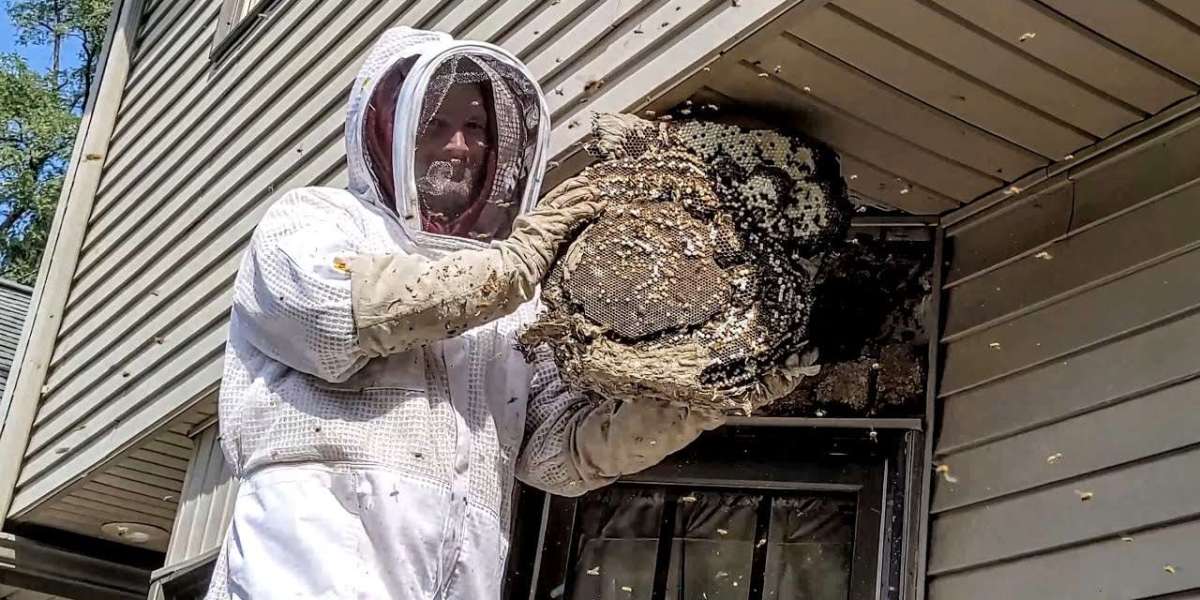
When considering Wasp Nest Removal Services in Cranford NJ, identifying the type and location of the nest is an important starting point. Different wasps construct nests in different places, including trees, shrubs, wall areas, eaves, and underground spaces. Understanding where the activity is occurring can help determine the appropriate approach to removal.
Keep Your Distance
A nest should not be disturbed simply to determine how large or active the colony is. Hornets, yellow jackets, and some paper wasps may sting when people approach their nests. Rutgers Cooperative Extension specifically advises caution around active nests, particularly when they are located close to areas where people regularly spend time.
Watch Where Insects Travel
Observing activity from a safe distance can provide useful information without disturbing the colony. Look for repeated flight paths, insects entering a particular opening, or regular movement around eaves, vegetation, siding, or other structures. This information can help identify the general nesting area before professional treatment or removal is considered.
Consider Hidden Nest Locations
Not every nest is immediately visible. Yellow jackets may establish nests underground, while some wasps can build colonies around structures or protected spaces. A small opening in a wall or beneath an exterior feature may therefore represent more activity than is visible from outside. Avoid sealing suspected entrances before the nest has been properly addressed.
Understand Why DIY Attempts Can Backfire
Attempting to knock down, block, or disturb an active nest can increase the chance of defensive behavior. Rutgers guidance notes that some hornets and yellow jackets can enter structures through openings and recommends professional assistance when nest removal is necessary.
Protect People and Pets
Once a nest has been identified, keep children and pets away from the immediate area. Outdoor furniture, play equipment, and frequently used pathways may need to be temporarily redirected if they are close to the colony. Reducing unnecessary activity around the nest can lower the likelihood of accidental encounters while arrangements are made for appropriate treatment.
Choose Appropriate Professional Help
A Trusted bee removal company should understand that bees and wasps are not interchangeable. Honey bees, paper wasps, yellow jackets, hornets, and other stinging insects have different behaviors and nesting patterns. Rutgers educational material distinguishes several common New Jersey species, emphasizing that identification can help determine how the situation should be handled.
Ask About the Removal Method
Before work begins, homeowners can ask what type of insect has been identified, where the nest is located, and what removal or treatment method is proposed. Understanding the process helps set realistic expectations. It can also clarify whether the work involves removing a visible nest, addressing activity inside a structure, or treating an inaccessible nesting location.
Pay Attention to Wall Voids
If insects appear to be entering and leaving through a crack, siding gap, soffit, or other opening, the colony may be located inside a concealed space. Simply closing the opening can trap insects inside or redirect their movement elsewhere. Rutgers specifically cautions that plugging entrances to certain hornet nests may not solve the problem effectively.
Think About Future Prevention
After the immediate nest problem is addressed, examine the property for conditions that could encourage future nesting. Gaps around exterior features, damaged screens, openings near rooflines, and accessible sheltered spaces may deserve attention. Keeping outdoor areas maintained and addressing structural openings can reduce opportunities for insects to establish colonies in convenient locations.
Be Careful With Pesticides
Pesticide applications should be handled responsibly and according to product directions. New Jersey has specific pesticide licensing requirements, and Rutgers notes that state regulations governing pesticide applicators are more stringent than federal requirements. Professional treatment should therefore involve appropriately qualified individuals when pesticide application is necessary.
Know When Extra Caution Is Needed
Some people can experience serious reactions to insect stings. Rutgers notes that individuals with a history of significant allergic reactions should seek medical attention after being stung. For that reason, households with known sting sensitivities should take active nests particularly seriously and avoid unnecessary exposure while professional assistance is arranged.
Keep the Property Comfortable
A wasp nest does not necessarily mean an entire property has an ongoing infestation. Once the active nest is appropriately addressed, maintaining exterior areas and monitoring previously affected locations can help homeowners notice renewed activity early. A combination of careful identification, safe removal, sensible prevention, and regular observation can make future stinging-insect problems easier to manage.