
Understand the Carpet Structure
Berber carpet has a distinctive looped construction that gives it a textured appearance and makes it different from traditional cut-pile carpeting. That structure can also make certain types of damage more complicated. A pulled loop may continue unraveling when disturbed, which is why early attention can help prevent a small defect from becoming a larger damaged area.
Identify the Type of Damage
Before arranging Berber Carpet Damage Repair Services, it helps to determine what has actually happened to the carpet. Common problems include pulled loops, unraveling sections, burns, holes, stains, pet damage, and localized wear. Each condition can require a different repair method, so identifying the extent and location of the damage is an important first step.
Do Not Pull Loose Loops
A loose loop can be tempting to cut or pull away, but doing so may make the problem worse. Berber's continuous loop structure means damage can extend beyond the original snag. Vacuum cleaners, pet claws, furniture movement, and everyday foot traffic can all contribute to pulled loops. Prompt professional attention can help stabilize the affected area.
Examine the Surrounding Area
Damage should not always be evaluated by looking at the visible defect alone. Check whether nearby loops are loose, whether the backing is exposed, or whether the damaged section has developed into a longer run. Looking beyond the most obvious spot can help determine whether a localized repair is appropriate or whether a larger section needs attention.
Consider Professional Repair
A Full Service Carpet Company may be able to address several types of carpet problems rather than focusing on one isolated repair. Depending on the condition, services may include patching, loop repair, stretching, stain treatment, cleaning, or other restoration work. Having the entire carpet evaluated can help identify related problems that may otherwise go unnoticed.
Match Replacement Material
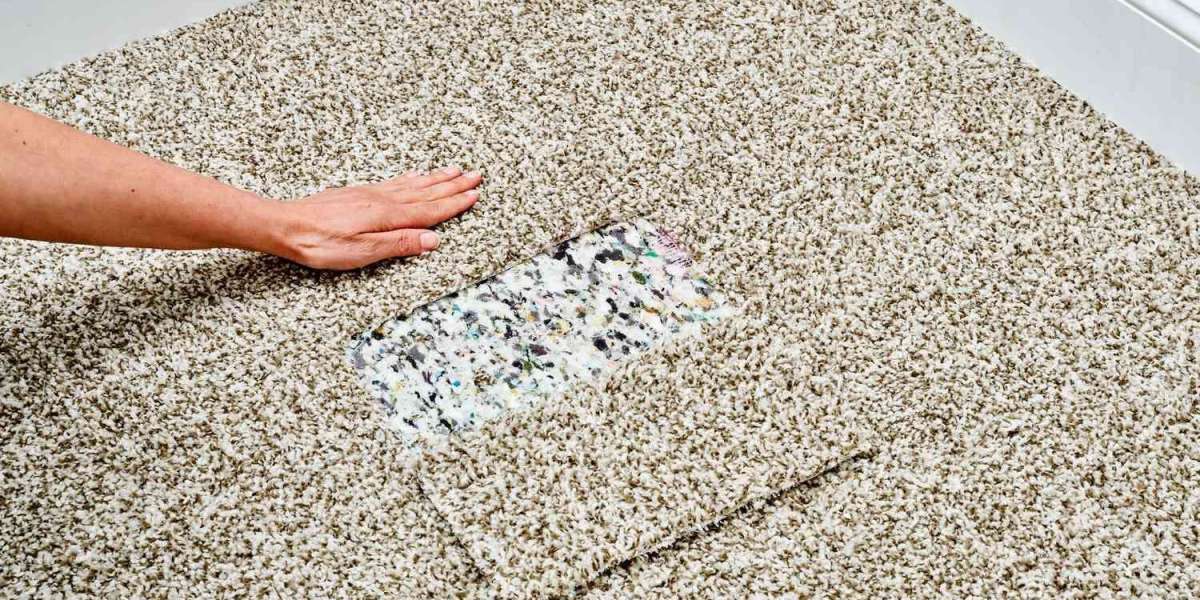
When a section of Berber carpet is badly damaged, patching may be considered instead of replacing the entire floor. A suitable donor piece should match the existing carpet's color, texture, loop pattern, and direction. Leftover installation material is particularly useful, while an inconspicuous section of the existing carpet may sometimes provide another source.
Pay Attention to Pattern Alignment
Berber carpeting can contain subtle patterns or variations in loop height. A replacement patch that does not align properly may remain noticeable even when its color appears similar. Professional repairs therefore require attention to the direction and arrangement of the loops. Careful matching can help the repaired section blend more naturally with the surrounding carpet.
Address Pet-Related Damage
Pets can contribute significantly to loop damage because claws may catch individual fibers and pull them from the backing. If the same area continues to experience scratching or other activity, repairing the carpet alone may not solve the underlying problem. Protecting vulnerable areas and managing the source of repeated damage can help preserve the repair.
Check for Carpet Movement
Not all carpet problems are caused by damaged fibers. Loose or rippled carpeting can create additional wear because repeated movement places stress on the surface and backing. If the carpet has developed noticeable ripples, a professional may recommend restretching rather than simply repairing individual areas. Berber can require controlled handling during stretching to avoid damaging its loops.
Avoid Aggressive Cleaning
Cleaning methods should take the carpet's construction into account. Berber's dense loops can trap debris below the visible surface, while aggressive brushing can potentially catch and pull loops. Regular vacuuming with an appropriate setting and careful maintenance can help reduce accumulated soil without unnecessarily stressing the carpet structure.
Consider the Age of the Carpet
The age and overall condition of the carpet can influence whether repairing a damaged area makes practical sense. A relatively healthy carpet with one localized problem may be a good candidate for targeted restoration. If numerous areas show severe wear, fading, or structural damage, a broader replacement discussion may become more appropriate.
Protect Repaired Areas
After a repair, give the affected section appropriate time and care according to the repair materials and technician's instructions. Avoid immediately dragging furniture across the area or subjecting it to unnecessary traffic. Preventing another snag or abrasion near the repaired section can help preserve the work and extend the useful life of the surrounding carpet.
Maintain the Carpet Regularly
Routine maintenance can help identify small problems before they become more difficult to repair. Vacuuming, prompt attention to spills, careful furniture movement, and regular inspection of high-traffic areas can all contribute to better carpet condition. Pay particular attention to entrances, hallways, stairs, and locations where pets or furniture frequently interact with the carpet.
Repair Before Damage Spreads
A small Berber carpet defect should not automatically mean that the entire floor needs replacement. Many localized problems can be evaluated for repair, particularly when the surrounding carpet remains in good condition. Addressing pulled loops, damaged sections, and other defects promptly can help preserve the existing flooring while maintaining a cleaner and more consistent appearance.