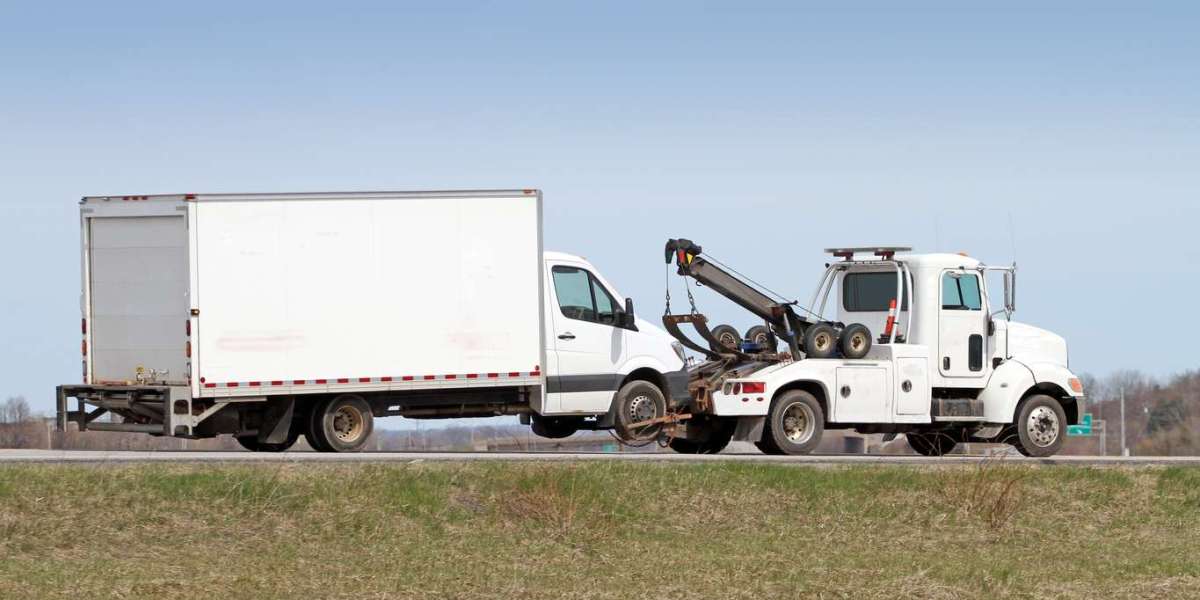

Recognize the Difference in Vehicle Size
Towing a truck is not always comparable to moving a standard passenger vehicle. Larger dimensions, greater weight, unusual cargo, and different axle configurations can change how a disabled vehicle needs to be recovered. Identifying the truck type and its condition before arranging assistance helps determine what equipment and towing approach may be appropriate.
Describe the Situation Clearly
Truck Towing Services in Portland OR can involve disabled work trucks, delivery vehicles, pickups, commercial vehicles, and other larger vehicles. When requesting assistance, provide useful details such as the vehicle's approximate size, location, mechanical condition, and whether it can roll or steer. Accurate information allows the towing provider to prepare for the situation before arriving.
Consider the Recovery Equipment
Different breakdown situations can require different towing equipment. Wheel-lift systems, flatbeds, heavy-duty wreckers, winching equipment, and other recovery tools each have specific applications. The appropriate equipment depends on the vehicle and circumstances. Choosing equipment based solely on convenience can create unnecessary complications, particularly when a vehicle is heavily damaged or difficult to access.
Protect the Roadside Area
A disabled truck can create a significant hazard when stopped near moving traffic. Portland's transportation code requires tow operators working in roadways to take precautions and use required warning equipment when a recovery operation obstructs traffic. These measures help create a safer working area while the vehicle is being recovered.
Account for the Vehicle's Condition
A truck with a mechanical failure may be relatively straightforward to move, while collision damage can make recovery more complicated. Steering problems, damaged wheels, locked components, fluid leaks, or unstable loads may require additional preparation. Explaining the vehicle's condition in advance helps the recovery process account for potential complications instead of discovering them after equipment arrives.
Plan Around Cargo
A disabled truck may still contain tools, equipment, merchandise, or other cargo. Before towing begins, determine whether the load can remain safely secured during transportation. Loose or unstable cargo may need attention before the vehicle is moved. Protecting the load can also reduce the chance of additional damage during loading, recovery, and final unloading.
Choose the Right Destination
Towing Services in Portland OR may involve transporting a truck to a repair facility, storage location, fleet yard, dealership, or another designated destination. The destination should be established before recovery whenever possible. Providing clear access information and confirming that the location can accommodate the vehicle can make unloading easier once the truck reaches its destination.
Understand Local Requirements
Oregon requires businesses that tow or recover vehicles for compensation to maintain the appropriate tow/recovery business certification and registration. The state also establishes requirements for tow and recovery vehicles, including registration and specified insurance coverage. Understanding these requirements can help vehicle owners recognize why professional towing operations may involve specific equipment and documentation.
Think About Oversize Vehicles
Some trucks or loads may exceed standard legal dimensions, creating additional transportation considerations. Oregon requires permits for vehicles exceeding legal dimensions before certain movements can take place. If a disabled truck is unusually large or carrying an oversized load, routing and permitting requirements may therefore need to be considered before transportation begins.
Avoid Improvised Recovery Attempts
Trying to move a disabled truck with unsuitable equipment can create additional risks. Makeshift towing arrangements may place excessive stress on attachment points, steering components, suspension systems, or other vehicle parts. Professional recovery equipment is designed for specific towing applications, making it important to use equipment appropriate for the truck's size, condition, and recovery circumstances.
Prepare Before Calling for Assistance
When possible, gather the truck's location, make and model, approximate weight or size, condition, and destination information before contacting a towing provider. If the truck is carrying cargo, note whether the load is secure. These details can reduce back-and-forth communication and help the recovery provider determine what resources may be needed.
Check the Vehicle After Delivery
Once the truck reaches its destination, inspect it and confirm that the intended equipment and belongings arrived with it. If the vehicle sustained damage before the tow, photographs and existing records can help distinguish previous damage from conditions discovered after transportation. Keeping relevant towing documentation can also make follow-up communication easier if questions arise.
Make Recovery a Planned Process
Truck towing works best when the recovery approach matches the vehicle, location, condition, and destination. Clear information, suitable equipment, proper roadside precautions, and attention to local requirements can all contribute to a more organized recovery. Whether the problem involves a breakdown, collision, or immobilized vehicle, thoughtful preparation can make the towing process easier to coordinate from beginning to end.