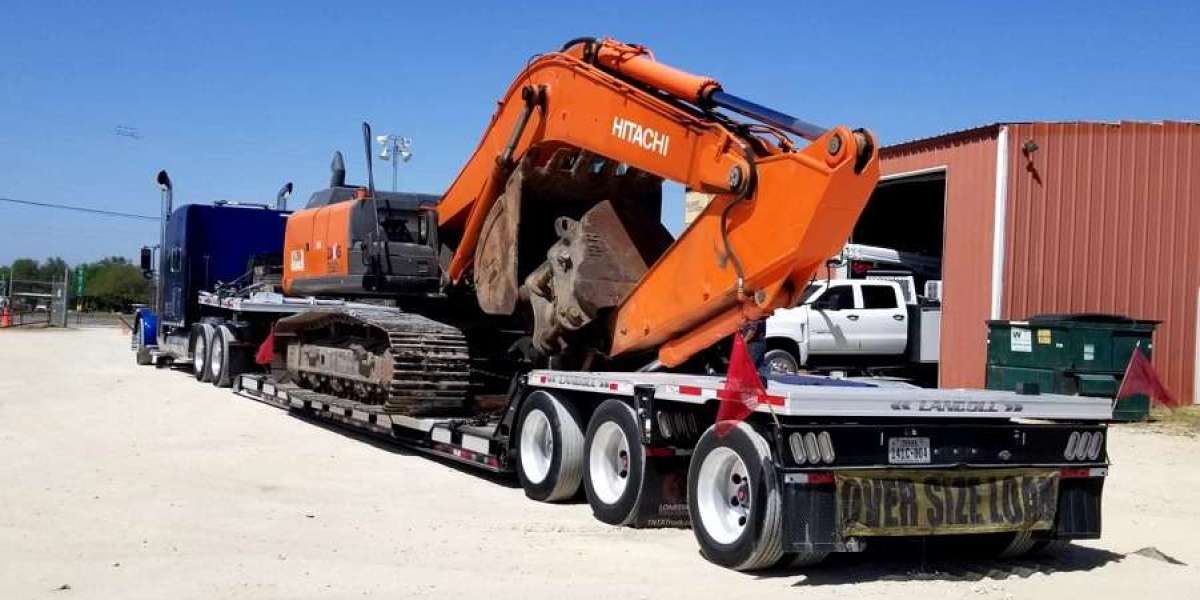

Start With the Equipment
Moving heavy machinery requires more preparation than an ordinary freight shipment. Equipment dimensions, operating weight, attachment configuration, center of gravity, and loading requirements all influence how transportation should be organized. Identifying these details before scheduling the move helps determine the appropriate trailer, loading method, route requirements, and documentation needed for the shipment.
Define the Load Clearly
When arranging Heavy Equipment Hauling Modesto CA, the first step is understanding exactly what will be transported. Excavators, loaders, construction machinery, agricultural equipment, and other large units can have substantially different dimensions and weights. Accurate information allows the transportation plan to account for equipment specifications instead of relying on general assumptions.
Choose the Appropriate Trailer
Trailer selection should correspond with the machine being transported. The equipment's weight distribution, ground clearance, dimensions, and loading method can affect which hauling setup is appropriate. A trailer should also provide sufficient capacity and usable deck space. Matching the equipment to the transportation equipment helps create a more controlled loading and delivery process.
Measure Before Moving
Measurements should include overall length, width, height, and relevant overhangs once the equipment is configured for transportation. California's transportation-permit process requires detailed dimensions for applicable loads, including measurements used to determine whether a shipment exceeds legal limits.
Consider Route Restrictions
A suitable route is about more than simply finding the shortest distance between two locations. Bridges, road dimensions, clearances, construction restrictions, weight limitations, and temporary conditions can influence whether a route is appropriate for a large load. Caltrans' route-clearing system provides current information concerning structure ratings, clearances, and short-term restrictions for permitted movements.
Understand Permit Requirements
Oversize or overweight equipment may require transportation permits when it exceeds applicable size or weight limits. Caltrans states that permits are available for qualifying non-divisible loads, with different permit types depending on the dimensions and weight involved. Planning these requirements ahead of time can help prevent unnecessary delays before the equipment reaches the road.
Work With an Experienced Transportation Team
A Trucking Company Modesto CA may coordinate more than the basic movement of equipment from one address to another. Depending on the shipment, transportation planning can involve equipment inspection, trailer selection, loading coordination, route preparation, permit documentation, and delivery scheduling. Having these elements considered together can make the overall hauling process more organized.
Prepare the Machine
Equipment should be prepared before loading begins. Loose components, removable attachments, debris, fluids, and other items should be addressed according to the transportation plan. Doors, panels, buckets, booms, ramps, and other movable components may require appropriate positioning or securing. Proper preparation reduces unnecessary movement and helps create a more stable load during transit.
Secure the Load Properly
Load securement is a critical part of heavy equipment transportation. The machine must be positioned appropriately and secured using methods suitable for its weight and configuration. Tie-down arrangements should account for movement during braking, acceleration, turning, and changes in road conditions. A careful pre-departure inspection can identify problems before the vehicle begins its journey.
Pay Attention to Weight Distribution
Heavy machinery cannot simply be placed anywhere on a trailer. Axle loading and weight distribution need to remain within applicable limits. California's permit documentation specifically considers axle spacing, axle configuration, and desired axle weights for certain extralegal movements. Proper distribution can also contribute to more predictable vehicle handling during transportation.
Coordinate Loading and Unloading
The delivery location should be evaluated before the equipment leaves its origin. Adequate space, ground conditions, access points, unloading equipment, and personnel availability can all affect the final stage of the move. Confirming these details in advance helps avoid situations where machinery arrives but cannot be safely positioned or removed from the trailer.
Account for Special Loads
Some equipment requires additional documentation or inspection procedures. Caltrans identifies fixed-load vehicles, cranes, certain heavy-haul combinations, and other configurations among situations where vehicle inspection reports may be required. Understanding these requirements early gives the transportation team time to gather the necessary information before submitting permit applications or beginning the move.
Build Delivery Around the Project
Heavy equipment is often needed for a specific construction, agricultural, industrial, or commercial activity. Delivery timing therefore matters. Coordinating transportation with the receiving site's schedule can help ensure that machinery arrives when operators, unloading equipment, and work areas are ready. A well-planned schedule can reduce idle time and prevent unnecessary disruption to the project.
Keep Safety Central
Heavy equipment transportation involves substantial forces, large dimensions, and changing road conditions, so preparation should remain the priority throughout the process. Accurate measurements, appropriate equipment, secure loading, compliant routing, and proper documentation all contribute to a more controlled movement. California guidance also emphasizes route and load requirements for oversized transportation.
Plan the Move Before the Move
Successful machinery transportation begins well before the truck reaches the loading location. By documenting equipment specifications, evaluating the route, selecting suitable hauling equipment, confirming permits, coordinating loading and unloading, and checking the final setup, project managers can reduce avoidable complications. A detailed transportation plan provides a clearer path from the equipment yard to its final destination.