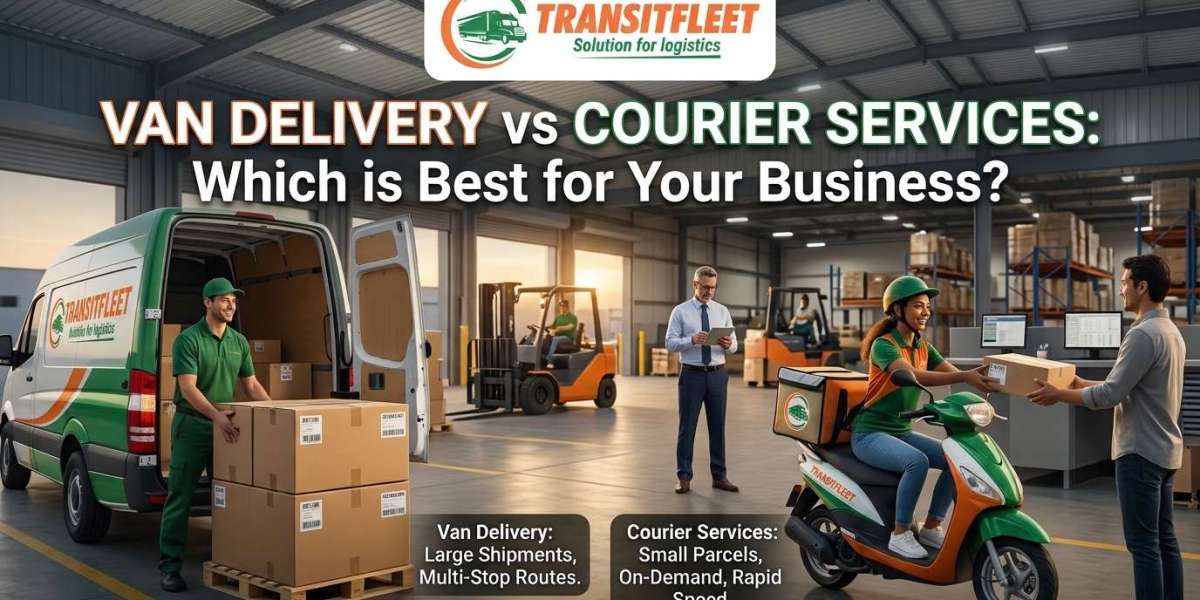

A customer orders a product, your warehouse packs it, and the delivery needs to arrive on time. Simple enough, right? Not always. Choosing the wrong delivery option can mean higher costs, missed deadlines or goods that do not reach your customer when expected.
For UK businesses, the choice often comes down to van delivery or a standard courier service. Both can move goods from A to B, but they work in different ways. A courier is often a good fit for small parcels, while a van can be a better choice for bulky goods, larger orders and direct deliveries.
So, which option makes more sense for your business? It depends on what you send, how often you send it and how quickly it needs to arrive.
This guide compares the costs, delivery options and practical benefits of both services to help you make the right call.
What Is the Difference Between Van Delivery and Courier Services?
The main difference is how goods are collected, transported and delivered.
A standard courier service usually carries parcels for many customers. Goods may pass through sorting hubs before reaching their destination. This works well for smaller items that fit within the courier's size and weight limits.
Van delivery is often used when a business needs a vehicle to carry goods directly between a collection point and a delivery address. Depending on the booking, the van may carry one job or several compatible loads.
For example, an online shop sending a phone case to a customer may use a parcel courier. A furniture supplier delivering a table to a customer in Leeds may need a van.
Neither option is right for every job. The best choice depends on the load, route, deadline and service you need.
When Should You Choose a Courier Service?
Courier services are a practical option for businesses that send small parcels, documents or lightweight products.
They are widely used by online shops, offices, retailers and companies that send orders across the UK.
Benefits of Courier Services
1. Good for small parcels
If your business sends books, clothing, accessories or small electronics, a parcel courier may be all you need.
2. Convenient for regular orders
Many courier firms offer business accounts, collection services and parcel tracking. These features can help shops manage daily orders without arranging a separate vehicle for each delivery.
3. Suitable for nationwide shipping
Courier networks cover many towns and cities across the UK. This makes them useful when your customers are spread across different regions.
4. Easy to manage in larger volumes
Businesses that send many small parcels may be able to manage labels, collections and tracking through one booking system.
What Are the Drawbacks?
Standard courier services may have strict limits on parcel size, weight and packaging. Large or awkward items can cost more or fall outside the service.
Delivery times can also depend on the courier's network and service level. If a parcel passes through a sorting hub, you may have less control over its route than with a direct van booking.
If your goods need careful handling, a specific collection time or direct transport, check whether the courier can meet those needs before booking.
When Is Van Delivery the Better Choice?
Van delivery can be a better fit when your goods are too large for a standard parcel service, when you have several items to move or when the delivery needs to follow a specific schedule.
Think about a building supplier sending tools to a work site, a shop delivering several boxes of stock to another branch or a business moving office equipment. A van can carry the load in one journey, depending on its size and capacity.
Benefits of Van Delivery
1. More room for larger goods
A van can carry items that may be unsuitable for a standard parcel network. The vehicle size should match the dimensions and weight of your load.
2. Direct transport
A dedicated van can take goods from the collection point to the delivery address without sending them through several sorting hubs. This can be useful when timing matters.
3. Flexible delivery arrangements
You may be able to agree on a collection window, delivery time or specific route. The options depend on the provider and booking.
4. Useful for business-to-business deliveries
If you are moving stock between warehouses, delivering supplies to shops or taking equipment to a site, van delivery can suit the size and purpose of the job.
What Should You Consider?
A van is not automatically cheaper or faster. A dedicated vehicle may cost more than sending a small parcel through a courier network.
You also need to consider loading time, parking, access restrictions and the distance travelled. A large van may be unnecessary for one small box, just as a parcel courier may not be suitable for a bulky order.
The trick is to match the service to the job rather than choosing one option for every delivery.
Van Delivery vs Courier Services: Cost Comparison
Price is often the deciding factor, especially for businesses working with tight margins. However, the cheapest option depends on the goods you are sending.
The figures below are broad UK estimates for budgeting purposes, not fixed quotes.
| Delivery requirement | Possible price range |
|---|---|
| Small parcel sent by courier | £3–£10 |
| Medium parcel sent by courier | £5–£20 |
| Larger or heavier parcel | £10–£40+ |
| Small local van delivery | £30–£70 |
| Medium van for a local job | £50–£120 |
| Dedicated long-distance van delivery | £150–£500+ |
Prices vary by provider, distance, parcel dimensions, weight, urgency and service level. Some prices may exclude VAT or extra charges.
For a single small parcel, a courier is usually the more economical choice. But imagine you need to send 15 boxes of stock to another branch. Booking a van may be worth considering if the boxes can travel together in one load.
Before making a decision, compare the total cost of moving the goods, not just the price of one parcel or one vehicle.
How to Keep Delivery Costs Under Control
A few simple steps can help you avoid paying more than necessary:
Measure and weigh your goods before requesting a quote.
Use packaging that protects the item without adding unnecessary bulk.
Book ahead if the delivery date is flexible.
Ask about additional mileage, waiting time and loading fees.
Compare the full quote, including any applicable VAT.
Check whether a backload is suitable for your route.
What Is Van Delivery Cost Based On?
The Van Delivery Cost for a particular job depends on the distance, vehicle size, driver time and type of goods. Urgent bookings, heavy loads and difficult access can also increase the price.
If you need regular transport, ask the provider to price your usual routes and delivery volumes. This can give you a clearer picture of what you will spend each month and help you compare options fairly.
Which Service Is Best for Different Business Needs?
Your industry and delivery routine can help you decide which option to use.
| Business need | Option worth considering | Why |
|---|---|---|
| Sending small online orders | Courier service | Suits individual parcels |
| Delivering large furniture | Van delivery | Offers more room for bulky goods |
| Moving stock between branches | Van delivery | Several items may travel together |
| Sending documents | Courier service | Suitable for small, lightweight items |
| Delivering tools to a work site | Van delivery | Can carry equipment and larger loads |
| Shipping regular parcels nationwide | Courier service | Works well with repeat parcel collections |
| Moving urgent commercial goods | Dedicated van delivery | May offer direct transport |
These are starting points rather than strict rules. Some courier companies handle larger consignments, and some van providers offer shared-load services. Always check the service details.
What About Delivery Speed and Tracking?
Speed matters when a customer is waiting or a business cannot continue work without a delivery.
Courier companies often offer different delivery options, such as next-day or timed services. The actual arrival time depends on the service booked, collection cut-off and destination.
A dedicated van can be useful when goods need to travel directly to their destination. However, traffic, roadworks and access delays can still affect arrival times.
Tracking and updates also vary. Some services provide online tracking, while others rely on direct communication with the driver or transport team.
Before booking, ask three questions:
When will the goods be collected?
What delivery window can the provider offer?
How will you receive updates if plans change?
Clear answers make it easier to set expectations with your own customers.
How to Choose a Reliable Delivery Provider
A low price is useful, but it means little if the delivery arrives late or the charges change without warning.
Before choosing a provider, check:
Pricing: Are mileage, waiting time and extra services explained?
Vehicle suitability: Can the vehicle carry your goods safely?
Delivery times: Does the provider offer a realistic collection and arrival window?
Communication: Can you contact someone if the delivery is delayed?
Insurance: What cover applies to your goods, and are there any exclusions?
Customer feedback: Do reviews mention punctuality and helpful service?
For regular deliveries, ask about repeat bookings and planned routes. If your business has busy and quiet periods, look for a provider that can adjust to changing demand.
It is also worth checking whether the company offers related transport services. Using one provider for several types of work may make planning easier, provided the price and service meet your needs.
How Transit Fleet Can Support Your Business
Some businesses need parcel couriers for daily online orders. Others need vans for larger loads, scheduled collections or direct transport between business locations. You may even need both.
Transit Fleet provides transport and logistics support for UK businesses, including van delivery, transport management, backload services and traction work.
The right arrangement depends on your goods, routes and delivery schedule. If you regularly move stock or need extra transport during busy periods, discuss your requirements before deciding which service to book.
When comparing b2b delivery companies, look for a provider that understands commercial delivery needs, gives clear prices and can explain which transport option suits your load. Choosing carefully can help you control spending, avoid unnecessary journeys and keep your customers informed.
Contact Transit Fleet to discuss your delivery needs and request a quote for your next job.
Frequently Asked Questions
1. Is van delivery better than a courier service?
It depends on what you are sending. Couriers usually suit small parcels and regular online orders. Van delivery is often a better fit for bulky goods, larger loads or direct business deliveries.
2. Is van delivery more expensive than a courier?
A dedicated van often costs more than sending one small parcel. However, if you need to move several boxes or bulky items together, a van may offer better value than sending multiple separate consignments.
3. Can a business use both van delivery and courier services?
Yes. Many businesses use parcel couriers for small orders and van delivery for large goods, stock transfers or urgent jobs. Using both lets you choose the service that fits each delivery.
4. What affects the price of a business van delivery?
The main factors include distance, vehicle size, load weight, delivery urgency, loading needs and waiting time. Ask for a quote based on the full details of your job.
5. How do I choose between a courier and a van?
Consider the size and number of items, the delivery deadline, the destination and your budget. Compare the full cost and check whether the service offers the handling and delivery arrangements your business needs.