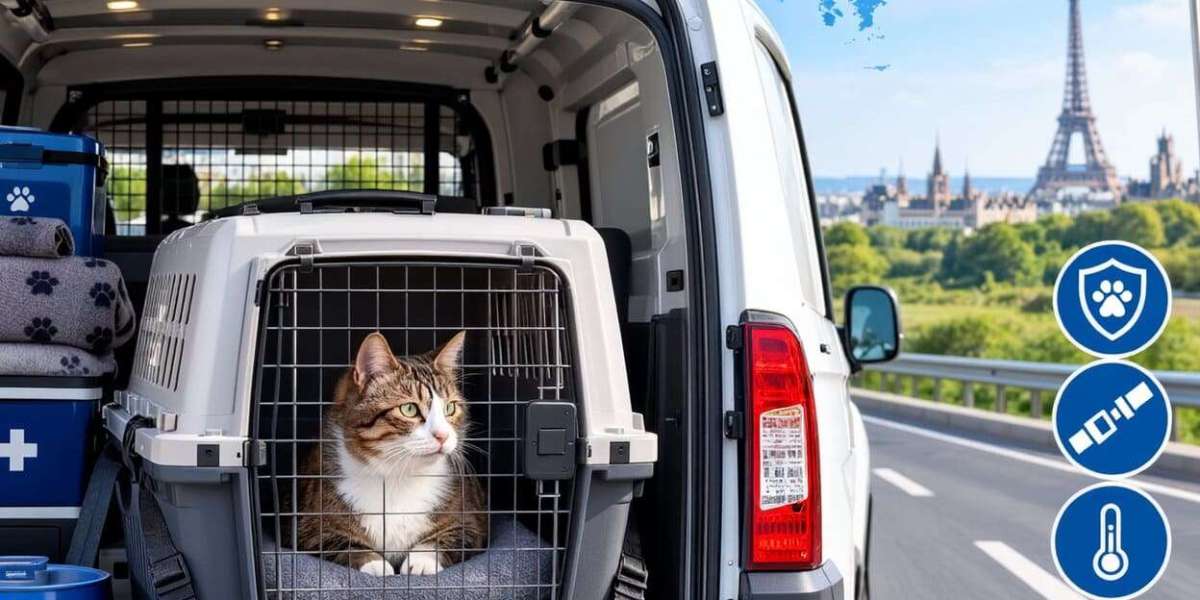

Moving a cat to a new home, arranging an adoption, or planning an international move can be challenging. Cats are often sensitive to unfamiliar places, strange sounds, and changes in their routine. That's why choosing a reliable cat transport service is important when your feline companion needs to travel safely and comfortably.
Whether you're moving house, collecting a kitten from a breeder, sending a cat to a family member, or relocating overseas, professional cat transportation can make the process easier. A suitable service helps organise the journey, manage collection and delivery, and consider your cat's individual needs throughout the trip.
Before booking, it's worth understanding how cat transport works, what to look for in a provider, and how to prepare your pet for travel.
What Is a Cat Transport Service and How Does It Work?
A cat transport service specialises in moving cats between locations. Depending on the provider, it may offer local collection, long-distance journeys, door-to-door delivery, and transport between destinations in the UK and Europe.
The process generally begins with a booking enquiry. You'll provide details about your cat, including its age, size, temperament, collection address, and destination. The provider can then explain the available travel options, estimated journey time, and cost.
Once the arrangements are confirmed, the driver collects your cat and transports it according to the agreed plan. Some services offer private journeys, while others use shared routes that may involve collecting or delivering other animals.
Before confirming a booking, ask how your cat will be secured during travel, whether the vehicle is suitable for animals, and how the company manages delays or unexpected situations. Clear answers can help you decide whether the service meets your expectations.
How to Find a Safe and Reliable Cat Transport Company?
Choosing the right cat transport company involves more than comparing prices. Your cat's comfort, safety, and welfare should come first.
Start by looking for a provider with experience transporting cats. Cats can become anxious during travel, so careful handling and suitable arrangements are essential. A professional company should be able to explain how it accommodates different temperaments and individual requirements.
Consider the following factors when comparing providers:
Experience with cats: Ask whether the company regularly transports cats and kittens.
Suitable vehicles: Check for secure transport arrangements, appropriate ventilation, and protection from extreme temperatures.
Carrier requirements: Confirm whether you need to provide a secure carrier or whether the company supplies suitable equipment.
Journey planning: Ask about estimated travel time, rest stops, and the handling of delays.
Communication: Find out whether updates are available during the journey.
Insurance and responsibility: Clarify what cover is provided and who is responsible for your cat during transport.
Transparent pricing: Request a detailed quote before confirming your booking.
Customer reviews can also help you assess reliability and communication. However, it's sensible to ask direct questions rather than relying on reviews alone.
How to Arrange Cat Transportation for a House Move?
Moving house can disrupt a cat's routine. Packing, unfamiliar smells, and changes in the home environment may cause stress, so arranging transport in advance can make moving day easier.
Begin by confirming the collection time and destination with the transport provider. If possible, keep your cat in a quiet, secure room while the rest of the house is being packed. This helps reduce the risk of escape and limits exposure to noise and activity.
Use a secure, well-ventilated cat carrier that your pet is comfortable entering. Familiar bedding may help, provided it can be used safely. Make sure the carrier closes securely and is suitable for the length of the journey.
Give the transport company clear instructions about your cat's temperament, health needs, and any handling concerns. If your cat is particularly nervous, discuss this before travel so the provider can explain what arrangements are possible.
At the destination, prepare a quiet room with fresh water, food, a litter tray, and a comfortable hiding place. Allow your cat to settle at its own pace rather than immediately introducing it to the entire house.
How to Choose a Kitten Transport Service?
Transporting a kitten requires extra care because young cats may be more vulnerable to stress and changes in routine. Before arranging a kitten transport service, consider the kitten's age, health, vaccination status, and readiness to travel.
Ask the breeder, rescue centre, or veterinary professional whether the kitten is fit for the planned journey. Very young kittens may have specific care requirements, and long-distance travel may not be suitable in every situation.
Choose a provider that understands the needs of young animals and can explain its handling procedures. The kitten should travel in an appropriately sized, secure carrier with suitable ventilation and protection from temperature extremes.
Provide the transport company with relevant feeding instructions, veterinary information, and emergency contact details. For longer journeys, ask how the provider manages welfare checks and what happens if the trip takes longer than expected.
If the kitten is travelling across borders, check the applicable minimum-age rules, vaccination requirements, and travel documentation before making a booking. These requirements can vary by destination.
How Does Long-Distance Cat Transport Work?
Long-distance cat transport may be necessary when moving between cities, relocating across the UK, or arranging delivery from a breeder in another region.
The journey can involve several hours on the road, so planning is important. Ask whether the service offers direct transportation or shared transport and how each option affects travel time.
A direct journey may reduce the number of stops, while a shared route may cost less. However, the most suitable option depends on your cat's temperament, health, and ability to cope with travel.
Before booking, ask the provider about secure carrier placement, ventilation, temperature management, welfare checks, and procedures for unexpected delays. Confirm the expected collection and arrival times, but allow some flexibility for traffic and other disruptions.
If your cat has a medical condition or experiences severe travel anxiety, consult your vet before the journey. Don't give sedatives or other medication unless a veterinary professional has advised that they are appropriate.
How to Arrange Cat Transport Between the UK and Europe?
International cat transportation involves additional requirements that should be checked before booking. Depending on the destination and route, your cat may need a microchip, a valid rabies vaccination, an animal health certificate, or other accepted travel documentation.
Requirements differ between countries and may change over time. The documents needed for entering one country may not be sufficient for another, so check the latest official guidance for your specific journey.
Ask the transport provider whether it offers assistance with travel planning and documentation. Clarify whether the company checks paperwork before departure or whether you must arrange and verify everything yourself.
You should also discuss the route, including any ferry crossings or other transport connections. Make sure you understand how your cat will be handled during each stage and who is responsible for the animal at border checks.
When comparing providers for UK and European journeys, UK and Europe Pet Taxi is one option to consider. Check the company's available routes, service details, pricing, and arrangements before making a decision.
How Much Does a Cat Transport Service Cost?
The cost of cat transportation depends on the distance, route, travel arrangements, and individual requirements. Local journeys generally involve different costs from long-distance or international transport.
Common factors that influence the price include:
Collection and delivery addresses.
Distance and estimated journey duration.
Private or shared transport.
Number of cats travelling.
Travel dates and collection times.
Ferry charges, tolls, or other route expenses.
Additional handling or waiting time.
International travel documentation and related services.
Ask for a written quote that clearly explains what is included. Check whether extra stops, schedule changes, or delays could result in additional charges.
You should also review the payment terms, deposit requirements, cancellation policy, and refund conditions before confirming your booking. Comparing quotes on the same basis makes it easier to understand which service offers the best value.
How to Prepare Your Cat for a Comfortable Journey?
Preparation can help your cat feel more secure during transportation. If possible, introduce the carrier well before the travel date and allow your cat to explore it at home. Placing familiar bedding inside may help make it feel less unfamiliar.
Before departure, check that the carrier is secure and clearly labelled with your contact information. Provide the transport company with your cat's name, identification details, relevant health information, and any special care instructions.
Discuss feeding, hydration, and litter arrangements with the provider, particularly for longer journeys. Cats have different needs, so the plan should reflect your pet's age, health, and travel duration.
If your cat has a history of travel sickness or severe anxiety, speak with your vet before travelling. A veterinary professional can advise you on suitable ways to manage the situation.
Finally, make sure someone is available to receive your cat at the destination. Having a quiet room ready with familiar essentials can help your pet settle after arrival.
How to Book the Best Cat Transport Service?
The best cat transport service combines experience, suitable travel arrangements, clear communication, and responsible animal care. Whether you're arranging a local cat taxi, moving house, or planning an international journey, taking time to compare providers can make a real difference.
Confirm the collection and delivery details, estimated journey time, total cost, and responsibility for your cat during transport. Ask about the vehicle, insurance arrangements, welfare procedures, and how the company responds to unexpected delays.
For international journeys, verify all travel documentation and entry requirements through the relevant official authorities before departure.
With careful planning and a suitable transport provider, moving your cat can be a more manageable experience. Prioritising safety and comfort helps give your feline companion a calmer journey and a smoother start in its new surroundings. Read more: Pet Taxi