
How Mobile Notaries Support Time-Sensitive Legal Filings in Bloomington, MN
Legal documents often require careful preparation, proper signatures, and notarization before they can be submitted to a court, government agency, financial institution, or another receiving organization. When a filing has a strict deadline, even a small documentation issue can create complications. For individuals, families, attorneys, and businesses in Bloomington, Minnesota, understanding how mobile notarization works can help make the document-signing process more manageable.
A mobile notary public in Bloomington, MN may help address practical challenges by traveling to an agreed-upon location to perform authorized notarial acts. This option can be particularly useful when a signer has difficulty traveling, multiple people need to coordinate a signing, or an important document must be prepared for submission.
However, notarization is only one part of the legal filing process. Understanding the notary's responsibilities, preparing documents correctly, and confirming the receiving organization's requirements are essential steps toward avoiding preventable problems.
Why Proper Notarization Matters for Legal Filings
Legal filings frequently involve documents that must meet specific execution requirements. Depending on the situation, these may include affidavits, sworn statements, powers of attorney, authorization forms, property-related documents, or other records requiring notarization.
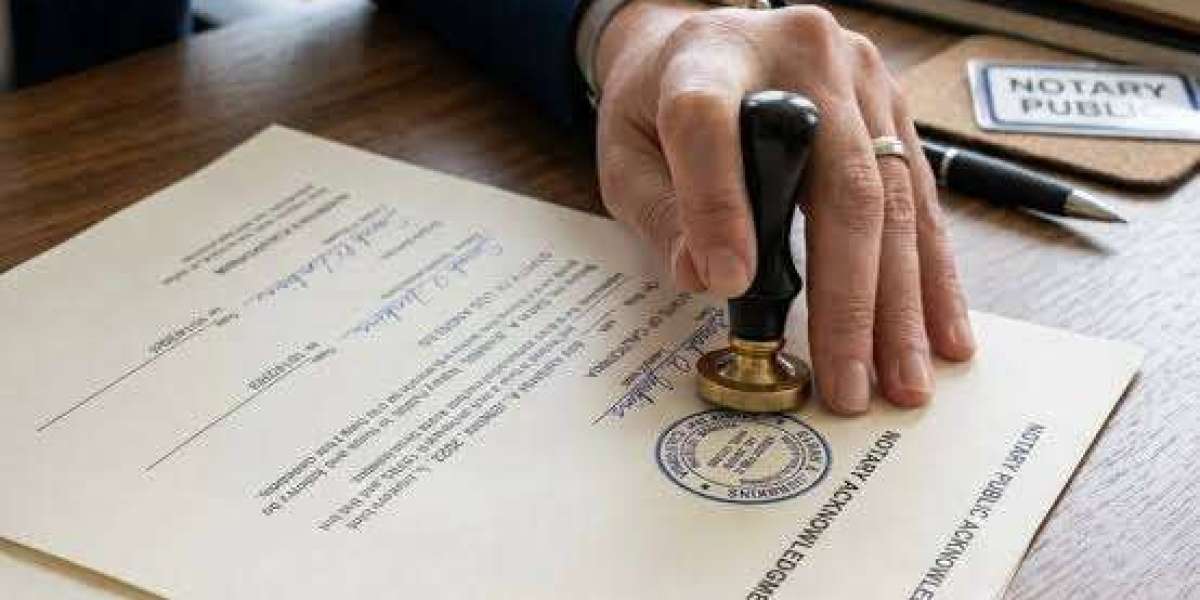
A notary public performs an official act intended to help establish the authenticity of a signature or the proper execution of a document. The specific procedure depends on the type of notarial act required.
For example, an acknowledgment generally involves a signer confirming that a signature was made voluntarily. A jurat generally requires the signer to sign and take an oath or affirmation before the notary.
These procedures serve different purposes. Selecting the correct notarial act is important because an incorrectly completed certificate may cause the receiving organization to question whether the document satisfies its requirements.
Notarization does not guarantee that a filing will be accepted or that the document meets every legal requirement. The signer should confirm the applicable instructions with the court, agency, attorney, or other organization responsible for receiving the paperwork.
How Mobile Notaries Help With Time-Sensitive Legal Documents
Providing a Convenient Signing Location
Travel can become a practical obstacle when a legal document requires notarization. Individuals may have work commitments, transportation limitations, mobility challenges, or responsibilities that make visiting a traditional notary location difficult.
Mobile notarization allows a notary to meet a signer at an agreed-upon location, subject to availability and applicable requirements. This may include a residence, office, or another suitable setting where the notarial act can be completed properly.
For Bloomington residents managing important legal paperwork, choosing a mobile notary public in Bloomington, MN can help simplify the logistics of arranging an in-person signing.
The convenience of a mobile appointment does not change the legal requirements for notarization. The signer must still satisfy the applicable identification, personal appearance, willingness, and other procedural requirements.
Supporting Affidavits and Sworn Statements
Affidavits and sworn statements may be used in legal proceedings, administrative matters, and other situations where a person must formally attest to information.
Depending on the document's requirements, a notary may administer an oath or affirmation and complete the appropriate jury. The signer should understand the statement before signing and should never be pressured to attest to information they believe is inaccurate.
Before arranging notarization, review the document instructions to determine whether the statement must be sworn, whether a particular certificate is required, and whether the receiving organization has additional rules.
When a filing involves substantive legal questions, an attorney can help explain the document's wording and legal implications. A notary's role is to perform authorized notarial acts, not to determine the truth of every statement or provide legal advice simply by virtue of holding a notary commission.
Helping Coordinate Signatures and Identification
Some legal documents involve multiple signers, each of whom may need to complete a separate notarial act. Others require witnesses in addition to notarization.
Mobile appointments can provide a practical setting for coordinating these arrangements when the relevant participants can attend at the same location. Nevertheless, requirements vary by document, and not every signer or witness can necessarily be substituted or represented by another person.
Before scheduling, confirm the number of signers, the identification each person must provide, whether witnesses are necessary, and whether each individual must appear personally before the notary.
Proper preparation can help prevent complications caused by missing participants, unsuitable identification, or incomplete signing instructions.
Reducing Preventable Documentation Errors
A legal filing may encounter difficulties when signatures, names, dates, or notarial certificates are missing or completed incorrectly. Mobile notaries must follow the applicable rules for the requested notarial act, including completing the relevant certificate and applying an official stamp or seal when required.
Signers can support a smoother process by reviewing the paperwork before the appointment. Check whether the document is complete, whether all required sections are present, and whether the names match the identification records.
Do not sign in advance when the required notarial act calls for signing in the notary's presence. If the instructions are unclear, ask the notary or the receiving organization before proceeding.
It is also important not to assume that a notary can correct legal wording, remove filing deficiencies, or determine whether a document complies with court rules. Those responsibilities may require guidance from the issuing organization or a qualified legal professional.
Preparing Legal Documents for Notarization in Bloomington
Preparation is especially important when a document is connected to a filing deadline. The following steps can help individuals organize their paperwork.
Confirm the filing requirements. Review the instructions provided by the court, government agency, attorney, or receiving institution. Identify whether notarization is required and which notarial act must be performed.
Review the document. Check for missing pages, incomplete information, inconsistent names, and additional forms. Avoid making unauthorized changes to legal documents.
Prepare acceptable identification. Ask the notary which identification methods are permitted for the specific transaction. Do not assume that every identification document will be accepted in every circumstance.
Confirm witness requirements. Determine whether witnesses are needed, who may serve as a witness, and whether they must meet any specific conditions.
Arrange the signing. Contact a local notary to discuss the document type, meeting location, participants, and requirements. Confirm that the notary can perform the requested act under Minnesota law.
Review the completed notarization. Check that the necessary signatures and notarial certificate are present. Follow the receiving organization's instructions for submitting the document.
These steps can help reduce avoidable errors, although they cannot guarantee acceptance of a legal filing.
Choosing a Mobile Notary Public in Bloomington, MN
Selecting an appropriate notary involves more than finding someone who can travel to a convenient location. The notary must be properly commissioned and able to perform the requested act in accordance with Minnesota law.
Consider the following factors when evaluating a mobile notary:
Valid credentials: Verify that the notary holds an appropriate Minnesota commission.
Document familiarity: Ask whether the notary can perform the specific notarial act required for the document.
Clear communication: Confirm identification requirements, signing procedures, and any applicable witness arrangements.
Location suitability: Establish a meeting place where participants can complete the required procedure without unnecessary interruptions.
Professional boundaries: Choose a notary who explains the process clearly without making unsupported promises about legal outcomes or filing acceptance.
For individuals seeking a mobile notary public in Bloomington, MN, contacting a local provider can help clarify whether mobile notarization is appropriate for the document and what preparation may be necessary.
When the filing involves complicated legal requirements, it is advisable to consult an attorney or the receiving organization rather than relying on the notary to interpret legal obligations.
Understanding Minnesota Notary Requirements
Minnesota notaries must comply with applicable state laws governing their authority and conduct. Requirements concerning identity verification, personal appearance, notarial certificates, and the particular act being performed should be considered before any document is signed.
Minnesota's notary laws and official guidance are useful starting points for understanding these obligations. The Minnesota Secretary of State provides information about notary commissions and relevant procedures through its official website.
Residents can consult the Minnesota Secretary of State's notary resources at sos.mn.gov and seek legal guidance when a document's requirements are unclear.
It is also important to distinguish between notarization and legal filing. A notary may properly complete a notarial act without determining whether the document satisfies every court rule, statutory requirement, or administrative condition. The signer remains responsible for following the instructions of the organization receiving the filing, with professional legal assistance when necessary.
Arrange Mobile Notarization for Your Legal Paperwork
When legal documents require notarization, planning the signing arrangements can help reduce logistical difficulties and prevent avoidable documentation errors. Mobile notarization may be a practical option for Bloomington residents who prefer to meet a notary at an agreed-upon location.
If you need a document notarized, consider contacting a local mobile notary to discuss the document type, identification requirements, witness arrangements, and whether the requested notarial act can be performed. Confirm the details before proceeding, especially when the paperwork is connected to a court filing or another formal submission.
Taking these steps can help you prepare your documents more confidently while keeping the filing requirements and the notary's responsibilities clear.
Frequently Asked Questions
1. How can a mobile notary help with legal filings in Bloomington, MN?
A mobile notary may travel to an agreed-upon location to perform an authorized notarial act, helping signers address practical challenges associated with completing documents. The signer must still meet the applicable identification and signing requirements and confirm the filing rules with the receiving organization.
2. Which legal documents may require notarization in Minnesota?
Depending on the circumstances, affidavits, sworn statements, powers of attorney, certain real estate documents, and authorization forms may require notarization. Requirements vary by document and receiving organization, so the necessary notarial act should be confirmed before signing.
3. Does notarization guarantee that a court will accept a legal filing?
No. Notarization confirms that a specified notarial act was performed according to the applicable procedure, but it does not guarantee legal validity or filing acceptance. Courts and other receiving organizations may impose additional requirements concerning document wording, signatures, supporting materials, and submission procedures.