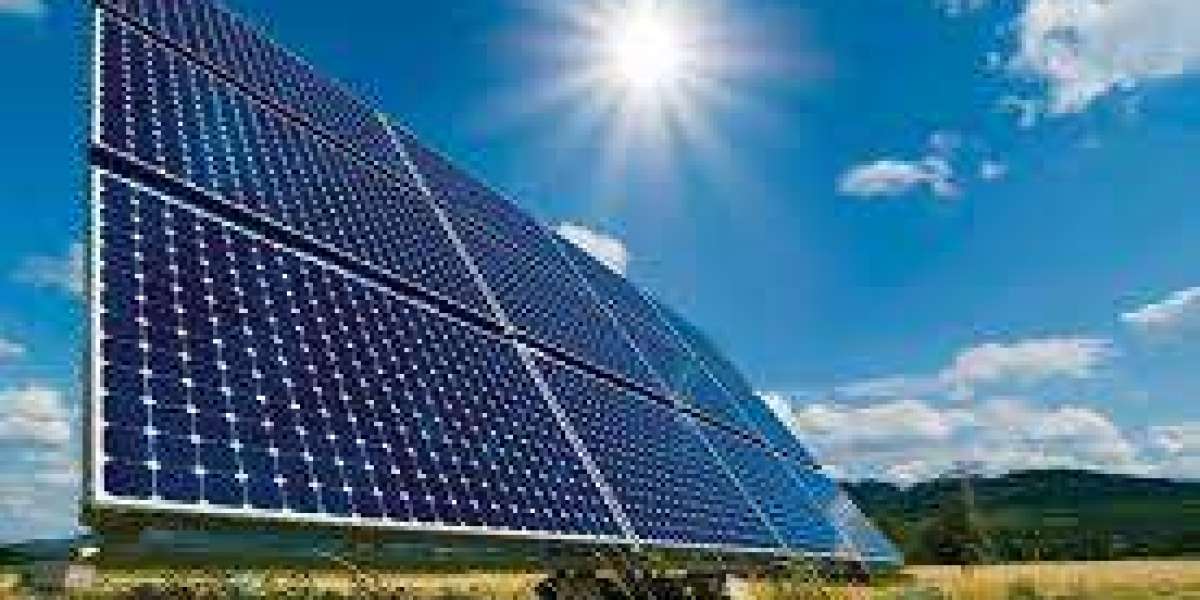

Businesses across Pakistan are looking for ways to reduce electricity bills, manage rising energy costs, and maintain a reliable power supply. Commercial solar solutions in Pakistan offer a practical way to generate clean electricity and improve long-term energy efficiency. From offices and shopping centers to factories, warehouses, schools, and hospitals, commercial solar systems can support different business energy needs.
DSG Energy provides solar energy solutions designed to help businesses explore renewable power and reduce their dependence on conventional electricity.
Why Businesses Need Commercial Solar Solutions in Pakistan
Electricity costs can affect business profitability, especially for companies that operate during long working hours or use energy-intensive equipment. Commercial solar power allows businesses to generate electricity from sunlight and use it to support daily operations.
A properly designed solar system can help businesses:
Reduce monthly electricity expenses.
Lower dependence on grid electricity.
Improve long-term energy cost planning.
Support environmental sustainability goals.
Make better use of available rooftop or property space.
Reduce exposure to future electricity price increases.
The actual savings depend on the system size, electricity consumption, installation quality, sunlight availability, and applicable electricity billing rules.
Types of Commercial Solar Systems
Different businesses have different energy requirements. Selecting the right system begins with understanding the property's electricity usage, operating hours, and available installation space.
1. On-Grid Commercial Solar Systems
On-grid solar systems connect to the electricity grid. Solar panels generate power during daylight hours, allowing businesses to use solar electricity while reducing the amount of electricity they need to purchase from the grid.
These systems may suit offices, retail stores, educational institutions, and commercial buildings with consistent daytime electricity consumption. Grid-connected systems generally do not provide backup during a grid outage unless they include compatible backup equipment and are designed for that purpose.
2. Hybrid Commercial Solar Systems
Hybrid systems combine solar panels with battery storage and a grid connection. Depending on the configuration, stored energy can support selected equipment when solar production is low or grid electricity is unavailable.
This option may be suitable for businesses that need greater energy flexibility or backup for essential operations. The battery capacity should be selected according to the required backup duration and the equipment's power demand.
3. Off-Grid Commercial Solar Systems
Off-grid systems operate without relying on a conventional electricity grid connection. They typically require battery storage and careful system sizing to meet electricity needs when sunlight is limited.
These systems may be considered for remote commercial facilities, agricultural operations, and locations where grid access is unavailable or unreliable. Proper planning is important to avoid power shortages during periods of low solar generation.
Which Businesses Can Benefit from Commercial Solar?
Commercial solar power can support many types of organizations throughout Pakistan.
Offices and corporate buildings: Solar electricity can help cover daytime lighting, computers, air conditioning, and other office equipment.
Factories and manufacturing units: Businesses with high electricity consumption may benefit from systems designed around their production schedules and machinery requirements.
Shopping malls and retail stores: Solar panels can help meet part of the electricity demand for lighting, cooling, and daily retail operations.
Warehouses and distribution centers: Large rooftops may provide suitable space for solar installations, subject to structural assessments and shading conditions.
Schools and universities: Educational institutions can explore solar power to manage electricity costs associated with classrooms, laboratories, lighting, and cooling.
Hospitals and healthcare facilities: Solar systems can support suitable electrical loads, while critical medical equipment requires carefully planned backup and power protection.
Hotels and restaurants: Solar generation may help meet daytime electricity requirements for kitchens, refrigeration, lighting, and building services.
How to Choose the Right Commercial Solar System
Choosing a commercial solar installation requires more than selecting a particular number of panels. Businesses should assess their electricity usage and operational priorities before making an investment.
Review Electricity Bills
Start by reviewing recent electricity bills to understand monthly consumption, peak demand, and the cost of electricity. This information helps determine whether a solar system can match the business's energy profile.
Evaluate Available Space
Roof size, orientation, shading, and structural strength can affect solar panel placement. A professional assessment can identify suitable installation areas and potential limitations.
Select Quality Equipment
Solar panels, inverters, mounting structures, protection devices, and electrical components all contribute to system performance. Businesses should compare equipment specifications, warranty terms, and service support before making a decision.
Consider Backup Requirements
Not every commercial property needs batteries. Businesses that mainly want to reduce daytime electricity costs may consider an on-grid system, while operations requiring backup may need a hybrid system or another suitable power solution.
Compare the Complete Proposal
A solar proposal should clearly explain the system capacity, expected energy generation, equipment, installation scope, warranties, maintenance requirements, and estimated financial benefits. Comparing complete proposals makes it easier to evaluate long-term value.
Factors That Affect Commercial Solar Installation Costs
The cost of a commercial solar system in Pakistan varies according to the project's size and technical requirements. Important factors include:
System capacity: Larger installations generally require more panels and supporting equipment.
Solar panel technology: Panel efficiency, specifications, and warranty terms influence equipment selection.
Inverter type: The inverter must match the system design and the property's electrical requirements.
Mounting and installation: Rooftop conditions, structural work, cable routes, and safety requirements can affect project costs.
Battery storage: Adding batteries can increase the initial investment but may provide backup capabilities.
Electrical upgrades: Some properties may require changes to distribution equipment or protection systems.
Monitoring and maintenance: Monitoring tools and ongoing service can affect long-term operating costs.
Businesses should request a site-specific quotation rather than relying only on a general price estimate. The best option is one that meets the property's energy needs while offering a reasonable long-term return.
Benefits of Commercial Solar Solutions for Businesses
Lower Electricity Expenses
Solar panels generate electricity that businesses can use during daylight hours. When solar production matches the property's consumption, the business may purchase less electricity from the grid.
More Predictable Energy Costs
Generating a portion of electricity on-site can help businesses plan their energy expenses. Actual financial benefits depend on consumption patterns, system performance, tariffs, and applicable billing arrangements.
Improved Sustainability
Solar energy produces electricity without direct emissions during operation. Businesses can use solar installations as part of broader efforts to reduce their environmental impact.
Better Use of Rooftop Space
Commercial buildings often have large rooftops that may be suitable for solar panels. Using this space to generate electricity can add practical value to an existing property.
Long-Term Energy Planning
A well-designed solar installation can serve as a long-term energy asset. Regular monitoring, appropriate maintenance, and timely repairs help support reliable performance.
Why Consider DSG Energy for Commercial Solar Solutions?
Selecting a solar provider is an important step for any commercial project. Businesses should look for a provider that understands their energy requirements and can explain the technical and financial aspects of the proposed system.
DSG Energy offers solar energy solutions for different energy needs. Businesses exploring Commercial solar solutions in Pakistan can review the available services and discuss their requirements before deciding on a system.
When evaluating DSG Energy or any solar provider, consider the following:
Assessment of current electricity consumption.
System design based on business requirements.
Clear information about panels, inverters, and other equipment.
Installation planning and electrical safety.
Warranty details and after-sales support.
Monitoring and maintenance options.
Transparent project costs and estimated savings.
You can learn more about the available services on the DSG Energy Commercial Solar Solutions page.
Steps to Install a Commercial Solar System
A structured installation process helps businesses make informed decisions and avoid unnecessary costs.
Initial consultation: Explain your electricity requirements, operating hours, and energy goals.
Energy assessment: Review electricity bills, load requirements, and consumption patterns.
Site inspection: Assess rooftop space, shading, structural suitability, and electrical infrastructure.
System design: Determine suitable capacity, equipment, and whether batteries are necessary.
Quotation and planning: Review the project cost, expected generation, installation timeline, and warranty conditions.
Installation and testing: Ensure the system is installed and tested according to applicable technical and safety requirements.
Monitoring and maintenance: Track performance and arrange inspections or servicing when required.
Grid-connected systems must also meet the relevant utility and regulatory requirements in force at the time of installation.
Frequently Asked Questions
1. What are commercial solar solutions in Pakistan?
Commercial solar solutions are solar power systems designed for businesses, offices, factories, retail stores, schools, hospitals, warehouses, and other commercial properties. They can help reduce grid electricity consumption and support long-term energy planning.
2. How much does a commercial solar system cost in Pakistan?
The cost depends on system capacity, equipment quality, installation conditions, battery requirements, and electrical upgrades. A site inspection and customized quotation provide a more reliable estimate.
3. Is commercial solar suitable for small businesses?
Yes. Small offices, shops, restaurants, and other businesses can consider solar power if their electricity consumption, available space, and budget make the investment practical.
4. Should a business choose an on-grid or hybrid solar system?
An on-grid system may suit businesses focused on reducing daytime electricity costs. A hybrid system may be more appropriate when backup power is required. The right choice depends on the property's load requirements and budget.
5. Do commercial solar panels require maintenance?
Yes. Periodic inspections, cleaning when necessary, inverter checks, and performance monitoring can help maintain system efficiency and identify problems early.
Conclusion
Commercial solar power offers Pakistani businesses an opportunity to reduce grid electricity consumption, manage operating costs, and support more sustainable operations. The right system depends on electricity demand, available installation space, equipment quality, and backup requirements.
Before investing, compare system designs, warranties, installation standards, and expected financial benefits. Explore DSG Energy's commercial solar solutions to learn more about options for your business.