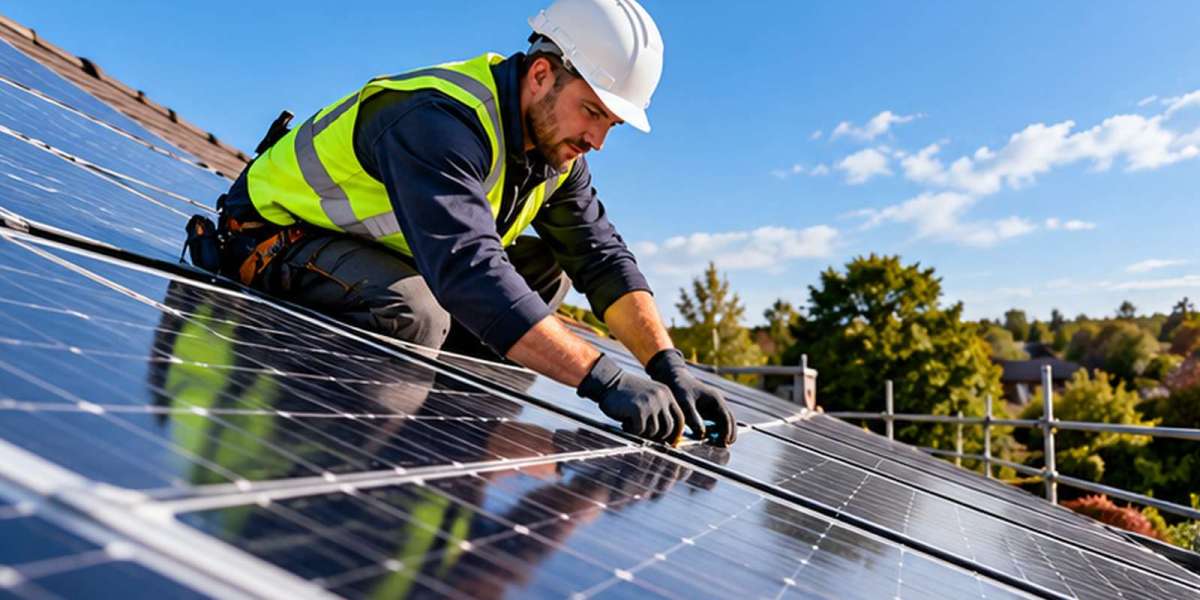

Many homeowners are excited about generating renewable electricity but are uncertain about the permissions needed before panels can be installed. The good news is that rooftop solar installations often fall within permitted development rules, although important exceptions apply.
Speaking with an experienced solar installation company can help you understand your property's requirements before ordering equipment or arranging scaffolding.
Is Planning Permission Always Necessary?
For many ordinary homes in England, appropriately positioned rooftop solar panels can be installed without a full planning application because they qualify as permitted development.
However, this is not an unconditional right. Restrictions can relate to where panels sit, how far they project from the roof and whether the property has a special designation. The rules also differ across England, Scotland, Wales and Northern Ireland, so guidance for one nation should not automatically be applied to another.
What If Your Home Is Listed or in a Conservation Area?
Historic buildings and protected locations may require additional checks. Listed building consent, planning permission or both may be needed for certain projects.
Conservation-area rules can also affect where equipment is placed. A homeowner should contact the local planning authority when a property has heritage status, is subject to a special restriction or lies within a protected area.
If you are a leaseholder, permission from a freeholder or management company may be required separately from planning rules.
Do Building Regulations Still Apply?
Yes. Whether or not planning permission is required, a roof must be suitable for the added equipment. Solar mounting arrangements must take structural safety, wind loading, roof condition and weatherproofing into account.
The electrical installation must also meet relevant safety requirements. Installers should explain the certificates and commissioning information that will be provided when the work is complete.
What About the Electricity Network?
Solar installations may require notification to, or approval from, the local distribution network operator. The process depends on the system's electrical characteristics and the applicable connection requirements.
Your installer should identify this at the design stage, rather than leaving it until the panels have been fitted.
What Should You Check Before Installation?
Ask for a property survey and a written design showing the proposed panel positions. Confirm whether any heritage or planning restrictions have been considered, whether the roof is structurally suitable and who will handle network paperwork.
You should also retain your quotation, equipment specifications, electrical documents and relevant installation certificates for future reference.
Final Thoughts
Solar panel planning requirements are manageable when checked early. The safest approach is to confirm your property's individual circumstances before work begins.
Eco Energy Services helps homeowners explore tailored solar PV installations and understand the practical steps involved in fitting a system to their home. Arrange a property assessment to discuss your options and the checks needed for your project.