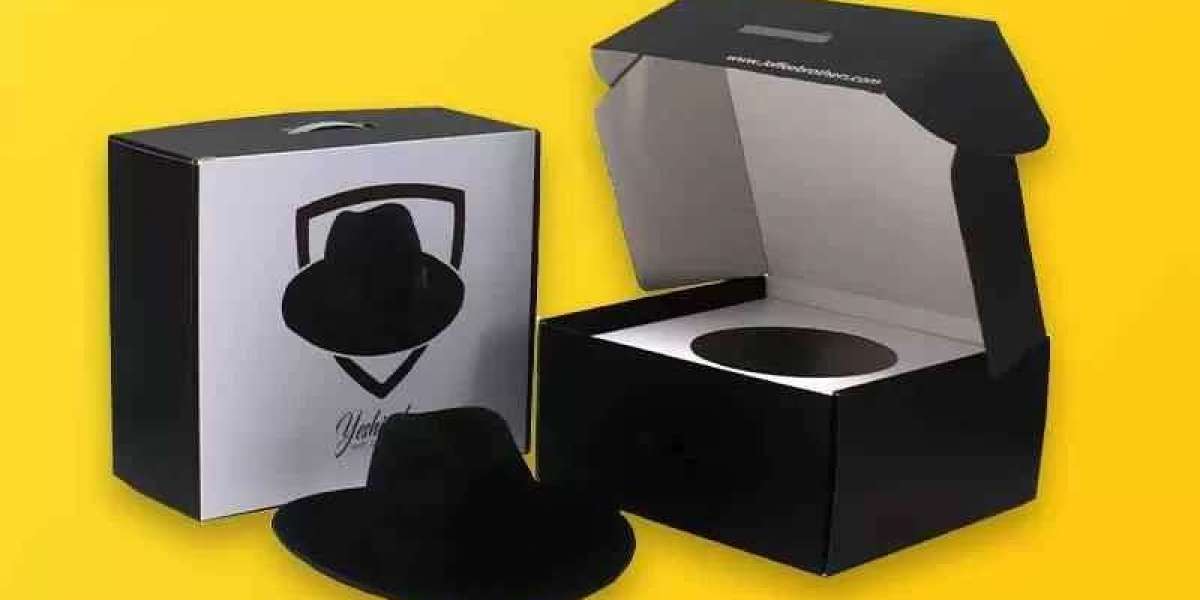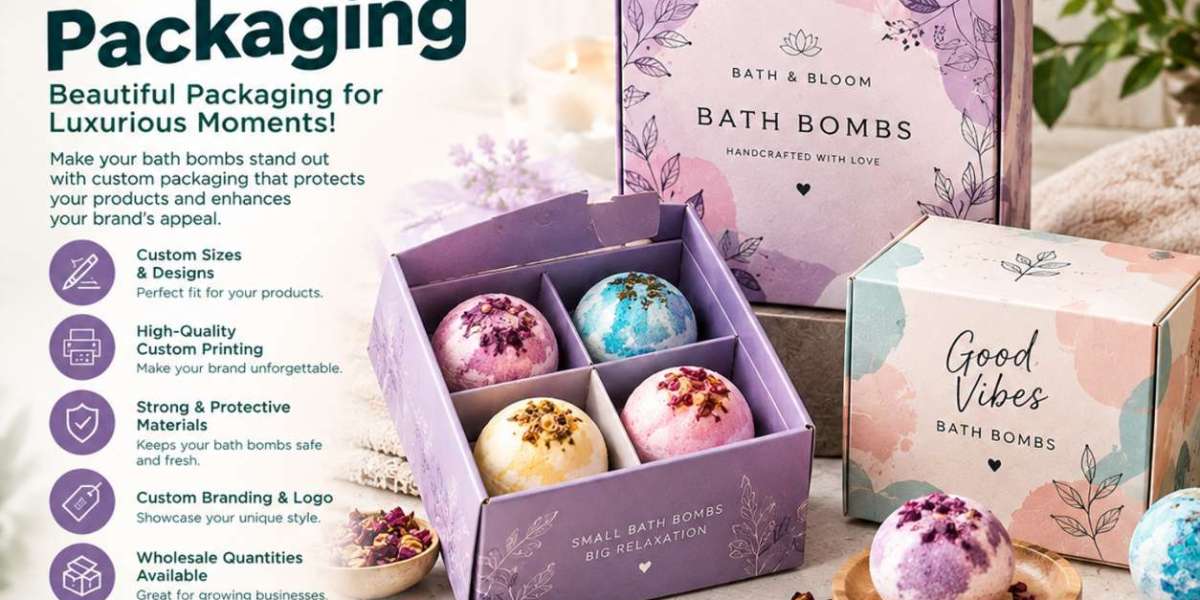

Online shoppers expect quick delivery, clean packaging, and products that arrive in one piece. Brands that tighten up packaging waste also save money and stand out with a professional look. The model is simple: smaller, snugger packaging fits items better, reduces damage, and makes a memorable impression with customers. You can see this shift across categories from cosmetics to electronics and fashion. Pair that with smarter inserts and you start to shift both costs and perception in your favor.
As merchants, we juggle product size variety, shipping costs, and the need to protect items. A careful approach to packaging design can align with your brand and logistics. The result is a smoother operation and happier customers. Below is a practical guide to understanding and applying right-sized packaging in e-commerce.
Introduction
In the world of online retail, packaging is more than a box. It’s a first-hand touchpoint that signals care and reliability. When you tailor packaging to fit each item, you cut waste and boost customer satisfaction. That combination matters for repeat orders and word-of-mouth mentions. The idea is simple: right-sized packaging protects while using only what you need.
For brands exploring smarter packaging, right-sized custom packaging can be a practical starting point. The link below points to resources and options that many teams find helpful as they test ideas and measure results. right-sized custom packaging options are accessible and scalable as you grow.
Understanding Right-Sized Packaging
Right-sized packaging means choosing boxes, inserts, and cushioning that fit the product precisely. It reduces empty space and unnecessary material. It also helps packaging align with the product’s shape and fragility.
There are three paths to choose from. Standard packaging uses off-the-shelf sizes. Custom packaging is built for a specific SKU. Right-sized packaging sits between these, focusing on the smallest practical fit for a range of items. Think modular inserts that adapt to different shapes rather than one rigid box for everything.
To judge success, track size accuracy, packaging weight, material usage, and damage rates. Start with a baseline, then compare before-and-after results as you adjust SKUs and packaging configurations.
Business Benefits for E-Commerce Brands
Cost savings come from using less material and lowering dimensional weight during shipping. Fewer materials mean lighter shipments and lower freight bills. It also reduces waste handling costs and space requirements in warehouses.
Better order accuracy and protection cut post-purchase headaches. When items fit well, items don’t shift and break. That translates to fewer claims and faster returns processing.
Professional packaging communicates care. A tidy presentation, clear branding, and protective components all reinforce trust. Customers remember that moment of opening your package and often connect it to your product’s value.
Environmental and Sustainability Impact
Choosing the right size also trims waste. Less air in the box means less filler and fewer discarded materials. Lighter packages can cut carbon emissions tied to shipping, especially on high-volume orders.
Right-sized packaging supports ESG goals by cutting material use and waste. It’s easier to demonstrate progress with clear metrics like material reduction and returns rate improvement.
Compliance matters. Some brands pursue certifications for sustainable packaging or recyclability. Knowing what your suppliers offer helps you plan for audits and reporting.
Customer Experience and Loyalty
The unboxing experience matters. A neat package with clear branding and simple assembly feels thoughtful. It can turn a one-time buyer into a repeat customer.
Fragile items benefit from protective inserts that block movement without taking up extra space. Oversized items can still feel premium with tailored packaging that minimizes layers while preserving safety.
Returns are affected too. Right-sized packaging makes return shipments simpler for customers and easier to process in warehouses, reducing handling time and confusion.
Choosing the Right Approach
Assess your product mix and sizing variability. If you sell a few core shapes, modular inserts and flexible boxes may cover most needs. A smaller range of sizes often yields easier operations than a dozen custom SKUs.
Options include flexibles, modular inserts, and specialized boxes. Flexibles cover a broad range with adaptable shapes. Inserts lock items in place without bulk. Custom boxes remain the best fit for standout items or high-valued products.
Choose suppliers who can scale with you. Look for those with flexibility in tooling, testing capabilities, and quick lead times so you can adjust as your catalog changes.
Implementation Steps
Start with data collection. Gather dimensions, weights, and fragility for top SKUs. Use this data to model how different packaging fits and protects items. You’ll want a mix of practical tests and pilot runs.
Prototype, test, and iterate. Build a few box-and-insert configurations, run them through real packaging lines, and track damage and customer feedback. Tweak until you reach steady results.
Integrate with warehouse operations and ERP. Ensure picking, packing, and labeling flows align with new sizes. A smooth handoff reduces bottlenecks and errors.
Design Best Practices
Branding should be visible but not wasteful. A bold logo, simple color palette, and legible copy help customers recognize your brand instantly. The tactile feel of a sturdy box and smooth inserts adds perceived value.
Protect without excess. Use cushioning that stops movement but avoids bulk. Keep packaging materials simple to recycle and easy to open with minimal waste.
Include clear inserts with value. A thank-you note, product care tips, or easy-to-follow return instructions add utility and curb confusion on arrival.
Cost Considerations and ROI
Upfront costs for tooling and samples may be higher, but long-term savings come from reduced material use and lower shipping costs. A compact setup can quickly pay for itself with volume growth.
Break-even timelines depend on order volume, SKUs, and logistics costs. Scenario planning helps you compare the traditional packaging path against right-sized options across peak periods.
Benchmarks from leading brands show steady reductions in packaging weight and returns when right-sized approaches are adopted. Real-world numbers vary, but the trend is clear: less waste, happier customers.
Potential Challenges and How to Overcome Them
Supply chain constraints can affect lead times for custom boxes. Build some buffer into orders and maintain a few adaptable sizes as a fallback.
Returns require a plan. If items return in original packaging, you can reuse boxes or apply standardized, protective inserts to streamline processing.
Consistency across SKUs is hard but doable. Start with best-sellers and gradually expand to other items, keeping a core set of sizes that cover most needs.
The Future of E-Commerce Packaging
Materials are evolving toward sustainability and recyclability. Simple, recyclable designs keep disposal easy for customers while maintaining protection.
Automation and AI can help sizing. Machine-assisted packaging suggestions speed up testing and reduce human guesswork. This can scale with your catalog as it grows.
Global marketplaces push standardization. Clear packaging specs and scalable options help you stay competitive when selling across borders and channels.
Practical Checklist for Brands
- Audit top SKUs for size variability and fragility.
- Define a baseline set of packaging sizes and inserts.
- Set measurable goals for material use, weight, and damage rates.
- Test prototypes with real orders and collect feedback.
- Align packaging changes with warehouse flows and ERP data.
Conclusion
Right-sized packaging reshapes cost, sustainability, and customer delight in one move. You gain a more predictable operation and a stronger brand impression with every shipment. Testing small, learning fast, and scaling gradually pays off as you see results in returns, reviews, and repeat orders.
FAQs
What is right-sized packaging?
Right-sized packaging fits the product snugly with minimal extra materials. It reduces waste and helps protect items during transit, while keeping handling simple for warehouses.
Will right-sized packaging hurt product protection?
Not if you choose the right inserts and box designs. Proper cushioning and snug fits keep items stationary and shield them from impact.
How can I measure packaging effectiveness?
Track material use, package weight, dimensional weight, damage rates, and customer feedback. Compare before and after changes to see real impact.
What about fragile items?
Use modular inserts and precise fits. A well-chosen insert holds delicate items in place, reducing breakage during transit.
How do I start testing?
Begin with your top-selling SKUs. Create a couple of prototype configurations and run a controlled pilot. Measure results and iterate quickly.