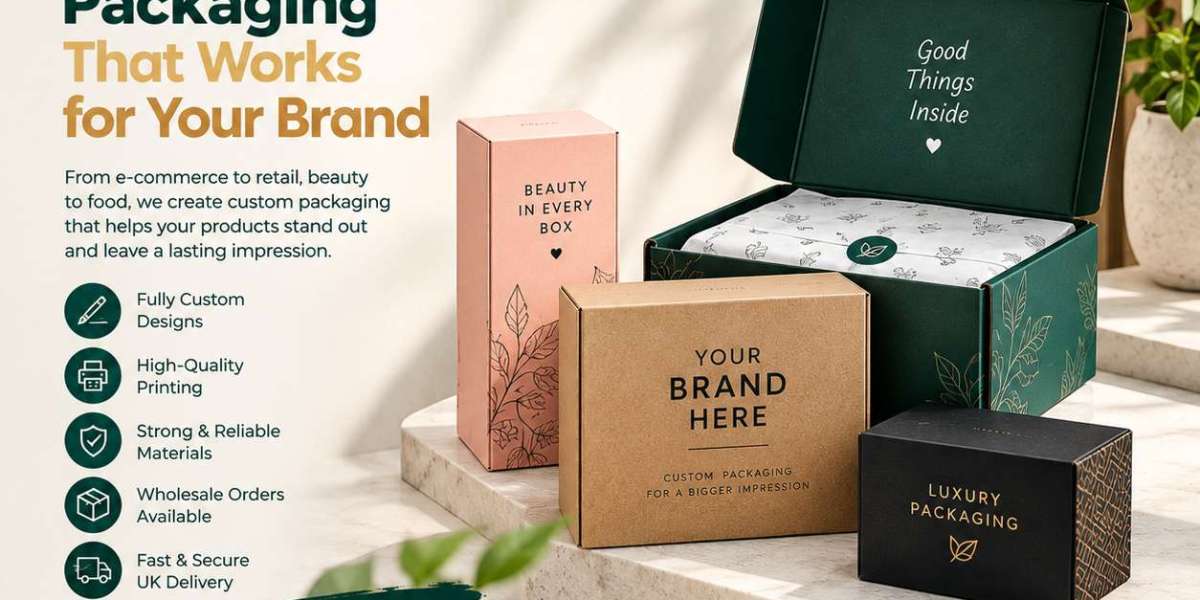

Brand packaging shapes first impressions. It signals quality, tells a story, and guides buyers toward trust. Good packaging can drive repeat purchases and reduce returns. It also helps products stand out in crowded shelves and online listings. This guide dives into ideas for cosmetics, food, and retail items, with practical tips you can apply quickly.
From choosing materials to unlocking clever display strategies, the goal is to align packaging with brand values and consumer needs. The sections that follow cover cosmetic, food, and retail packaging, then look at shared considerations like sustainability and testing. The path from concept to production is laid out with real-world tips and simple checklists.
Understanding Your Brand and Audience
Your brand values shape every packaging choice. Consistency across color, typography, and form helps shoppers recognize your products at a glance. Start by naming the core promises you want your packaging to convey—quality, affordability, or luxury, for example.
Audience thinking matters. Build buyer personas based on who buys, why they buy, and where they shop. Consider moments that influence a purchase, like gifting, daily routines, or impulse buys. Clear needs lead to clear design decisions.
Regulatory checks and sustainability commitments cannot be afterthoughts. Labeling must be legible and compliant. If your brand commits to greener practices, reflect that in material choices and end-of-life messaging. Consumers reward transparency and responsibility.
Cosmetic Packaging: Elevating Shelf Presence
Choosing materials that communicate premium quality starts with tactile confidence. Matt finishes, subtle textures, and protected inks can signal luxury without shouting. Think about how the container feels in the hand as much as how it looks on the shelf.
Color psychology and typography influence perception quickly. Gentle neutrals often read as sophisticated, while bold accents can convey energy. Pair legible type with a clean layout. A simple label with a strong brand mark travels well across product lines.
Practicality vs. luxury includes cap design, tamper evidence, and usability. A satisfying seal, easy open, and a resealable option can boost user satisfaction. Consider airless pumps for active ingredients to preserve formulas and reduce contamination risk.
Innovations in cosmetic packaging include recyclable plastics, refill programs, and responsible closures. Reusability and refillability can cut waste while encouraging brand loyalty. Test a refill option on one SKU and measure uptake over a few months.
Case studies offer quick inspiration. A compact airless bottle with premium embossing, a magnetic closure, and a refill-ready system created a premium unboxing moment that customers remembered. Another brand used recyclable aluminum and a minimalist label to suggest sustainable luxury.
Food Packaging: Freshness, Safety, and Appeal
Selecting food-safe materials and barrier properties protects flavors and textures. Consider moisture, oxygen, and temperature in your packaging decisions. A strong seal and appropriate film thickness keep products fresh longer.
Labeling clarity and allergen information matter for trust. Clear typography and readable ingredient lists reduce shopper hesitation. If you must include allergen details, place them where customers expect to find them and keep the language simple.
Convenience features drive repeat purchases. Easy-open pouches, portion-controlled sachets, and resealable lids make day-to-day use simpler. A packaging design that supports quick portioning can reduce waste for households and food service.
Sustainability strategies for food packaging include compostable, recyclable, and reusable options. Communicate end-of-life choices clearly on the package. When possible, show a simple recycling icon and a brief disposal note to help consumers act correctly.
Design tactics to convey freshness and flavor profiles rely on color cues, transparent windows, and appetizing product photography. A clear window lets customers see the product, while color accents hint at taste notes and quality.
Retail Product Packaging: Noticeable In-Store Impact
Design for versatile display environments means packaging should perform on shelf, peg, and online thumbnails. A tall, eye-catching silhouette with strong contrast helps products stand out in a busy aisle. Make sure the core message remains readable from a distance.
Structural packaging ideas like fold packs, gussets, and multipacks add value without bloating cost. Use packaging geometry to maximize space on shelves and during shipping, keeping protection intact while reducing waste.
Sensorial cues beyond visuals include texture, embossing, and even a light scent for certain categories. A soft velvet touch on a lid or a gentle embossing can create a memorable tactile moment that complements the brand story.
Brand storytelling through packaging systems and color families builds a cohesive family look. A single color family across products creates recognition and can simplify replenishment for retailers. Plan your color palette early and map it across categories.
Practical tips for cost control without sacrificing quality include simplifying print runs, standardizing components, and choosing reliable suppliers. Small outsourcing tweaks can lower unit costs without reducing the perceived value.
Functional Considerations Across All Categories
Tamper-evidence, durability in transit, and returnability are baseline checks. Seal integrity should be testable with at least one drop and a shake test during development. A return-friendly design reduces waste and returns hassles.
Temperature tolerance and shelf life implications matter. Some products need insulation or thermo-regulated packaging to maintain quality during transport and storage. Plan for peak temperature scenarios in the supply chain.
Print quality, finishes, and print-on-demand opportunities give you flexibility. A small batch of limited-edition SKUs can be produced to test reactions before committing to large runs. High-quality finishes keep the look premium while staying within budget.
QR codes, augmented reality, and interactive packaging elements engage tech-savvy shoppers. A simple AR experience showing product usage can enhance comprehension and delight without overpowering the design.
Sustainability and Ethical Packaging
Life cycle thinking starts with material selection and ends with end-of-life options. Weigh environmental impact at each stage, from sourcing to disposal. Lightweighting can reduce transport emissions and costs.
Take-back programs and refill schemes encourage ongoing relationships with customers. A straightforward return-and-refill loop simplifies participation and reduces waste. Tie these programs to clear incentives and easy participation.
Certifications communicate responsibility to consumers. Look for third-party seals that align with your values and product category. Display them clearly where buyers expect to see them on the pack.
Creative Concepts: Fresh Packaging Ideas by Category
Cosmetic ideas include compact systems with magnetic closures and premium unboxing experiences. A compact palette with a magnetic lid creates a satisfying, premium moment for customers.
Food ideas feature portion-control packaging and clear pastry windows. Minimalist labeling can help focus attention on the product’s natural appeal and flavor cues.
Retail ideas revolve around reusable containers and modular packaging ecosystems. A cohesive system supports cross-sell across a product line and reduces waste through reuse.
Process and Workflow
From concept to prototype, start with low-fidelity sketches and quick mockups. This helps test ideas early before heavy investment.
Supplier and material selection checks include verifying certifications, lead times, and minimums. Build a simple decision matrix to compare options quickly.
Testing should cover drop, liquid leakage, and heat seal integrity. Document results and adjust designs to address any weaknesses.
Compliance and documentation timelines require keeping records up to date. Align testing, approvals, and packaging artwork with your production calendar to avoid delays.
Budgeting and Timeline
Costs vary by material, print technique, and design complexity. Start with a base budget and add a buffer for unexpected changes in supply or labor.
Phase-wise development timelines map ideation, prototype, testing, and production. Set milestones you can actually hit and review progress regularly.
Risk management and contingency planning protect timelines. Have backup suppliers and alternative finishes ready in case of shortages.
Case Studies and Inspiration
A cosmetic brand transformation through packaging shows how unified visuals can lift perceived value. A refreshed system with strong typography and premium finishes created a more cohesive feel across products.
A food product’s packaging redesign improved sustainability by moving to recyclable materials and reducing packaging weight. The change kept flavor and freshness intact while cutting waste.
A retail product line with a cohesive packaging system demonstrates how color families and modular components build a recognizable family look. The system simplified shelving and online thumbnails alike.
How to Start Your Custom Packaging Project
Ask key questions to define goals and constraints. Clarify what the packaging must do, for whom, and under what conditions it will travel and be stored.
Choosing the right packaging partner comes down to fit as much as capability as cost. Look for a partner who listens, offers practical options, and shares a realistic timeline.
Next steps include assembling a brief, gathering samples, and outlining an iterative plan with milestones. A small pilot run helps catch issues early.
Conclusion
Packaging strategy weaves brand, product, and shopper behavior into a single experience. Trying ideas, testing with real customers, and refining based on feedback leads to stronger results.
Prototyping and testing with real customers can reveal surprising insights. Small, thoughtful changes often deliver the biggest returns over time.
FAQs
Why is packaging design important for a cosmetics brand?
Packaging communicates quality, sets expectations, and helps products feel premium. It also signals the brand tone to shoppers from a distance on shelves and online.
What materials work well for food packaging while staying sustainable?
Materials like recyclable films, compostable options, and reusable containers can balance freshness with responsibility. Choose barriers that suit the product and store lifespans.
How can I test packaging ideas quickly before a full launch?
Start with small mockups and a pilot run. Collect feedback from target customers and retailers, then adjust design and materials accordingly.
What role do color and typography play in shelf impact?
They guide recognition and convey the brand mood. Strong contrast and legible type help shoppers find and understand products fast.
How do I keep costs under control without hurting quality?
Standardize components, pilot with limited SKUs, and negotiate materials that meet performance needs. Focus on efficient production steps and reliable suppliers.