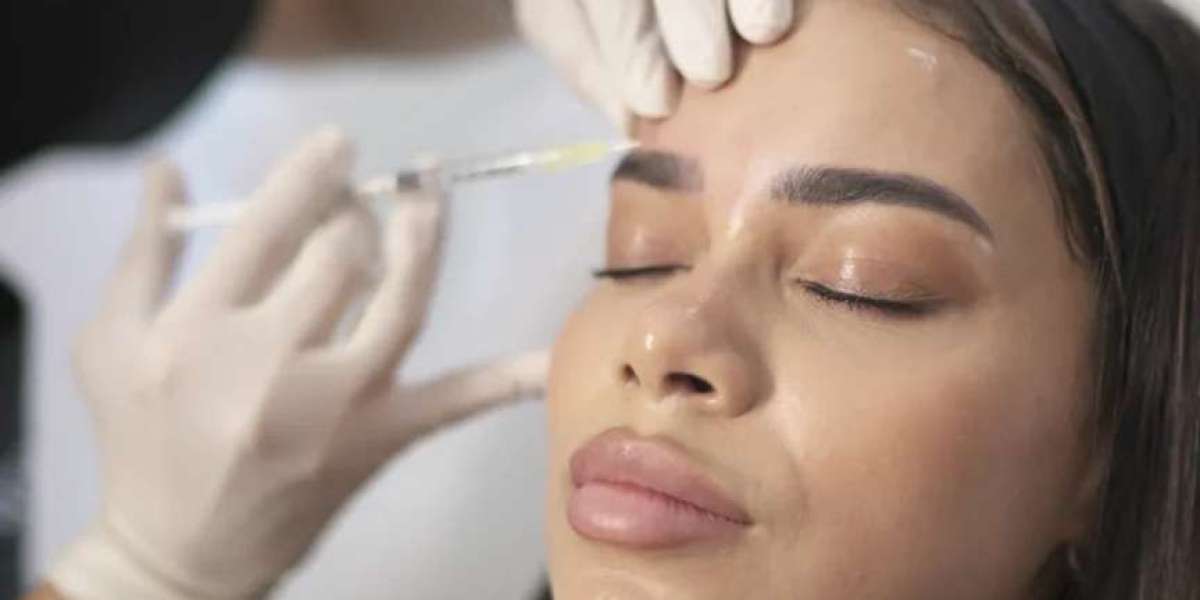

Choosing an aesthetic treatment is a personal decision that begins with understanding your facial features, identifying your concerns, and deciding what kind of results you would like to achieve. Botox is a widely recognised cosmetic treatment used to soften certain expression lines by temporarily relaxing targeted muscles. When planned carefully, it can help create a refreshed appearance while preserving the natural character of the face.
For individuals considering Botox in Dubai, understanding the different treatment areas and the importance of personalised aesthetic planning can make the consultation process more productive. Rather than following a standard injection pattern, a tailored approach considers facial anatomy, muscle movement, skin characteristics, and individual preferences.
Perla Dermatology Clinic provides a starting point for exploring specialist-led aesthetic care in Dubai. Learning about the treatment process, the factors that influence pricing, and how to select a qualified practitioner can help you make an informed decision that reflects your personal goals.
Understanding Botox and How It Works
What Is Botox?
Botox is a brand name for a formulation of botulinum toxin type A. In cosmetic medicine, it is used to temporarily reduce activity in selected muscles that contribute to dynamic wrinkles. Dynamic wrinkles develop through repeated facial movements, such as frowning, raising the eyebrows, and smiling. As these movements occur over time, lines may become more noticeable, particularly around the forehead, between the eyebrows, and at the outer corners of the eyes.
Botox works by temporarily interrupting the nerve signals that stimulate targeted muscles to contract. With reduced muscle activity, the appearance of certain expression lines may soften. The treatment does not add volume to the face or directly replace lost collagen. Its purpose is different from that of dermal fillers and skin-rejuvenation procedures, making an appropriate assessment important when choosing an aesthetic treatment.
Why Personalised Treatment Matters
Every face has a unique combination of muscle strength, facial proportions, eyebrow position, and expression patterns. Two people with similar forehead lines may need different treatment approaches because their muscles and facial anatomy are not identical. A personalised plan considers these differences instead of relying on a fixed number of injections or a standard dose for everyone.
The aim is to address the individual's main concerns while maintaining facial balance and natural movement. For some people, this means softening prominent frown lines. Others may prefer a subtle improvement in forehead lines or crow's feet. A thorough consultation helps establish which areas may benefit from treatment and what results are realistic.
Common Botox Treatment Areas
Forehead Lines
Forehead lines are horizontal creases that often appear when the eyebrows are raised. They can become more visible during conversation, when expressing surprise, or when concentrating.
Botox may help soften these lines by reducing activity in the muscles responsible for raising the eyebrows. However, forehead treatment requires careful planning because these muscles also contribute to eyebrow position. A practitioner assesses the forehead alongside the eyebrows and surrounding facial muscles to develop a balanced treatment plan. The desired outcome is usually smoother-looking skin without unnecessarily restricting natural expression.
Frown Lines Between the Eyebrows
Frown lines, sometimes called glabellar lines or “11 lines,” develop between the eyebrows. They may become noticeable when a person frowns, squints, or concentrates.
These lines can sometimes create an expression that appears more serious or tense than intended. Botox can temporarily relax the muscles responsible for these movements and reduce the prominence of the lines. Treatment planning considers muscle strength, the depth of the lines, and the patient's natural expression. Lines that remain visible when the face is relaxed may respond differently from those that appear mainly during movement.
Crow's Feet Around the Eyes
Crow's feet are fine lines that appear around the outer corners of the eyes, particularly when smiling or squinting. They are a common concern for individuals interested in facial rejuvenation.
Botox may soften these lines by reducing activity in the muscles surrounding the eyes. The treatment plan should take account of the individual's smile, eye shape, and preferred level of movement.
A personalised approach focuses on improving the appearance of the targeted lines while respecting the natural expression of the eyes.
Bunny Lines Around the Nose
Bunny lines are small creases that appear along the sides or bridge of the nose when a person scrunches their nose or smiles. In selected cases, Botox may be considered to reduce the muscle activity contributing to these lines. Whether treatment is appropriate depends on the patient's facial movements and the relationship between the nose and surrounding muscles.
This is an area where careful assessment is especially important because nearby muscles contribute to other facial expressions.
Brow Position and Facial Balance
Some people explore Botox to address specific concerns about eyebrow position. By selectively relaxing certain muscles, a practitioner may be able to create a subtle change in the appearance of the brows.
The result depends on the balance between muscles that raise and lower the eyebrows. Treatment should therefore be planned around the person's existing anatomy rather than a standardised brow shape. A consultation helps establish whether Botox is suitable for the desired outcome or whether another approach would be more appropriate.
Chin Dimpling and Lower-Face Concerns
The chin may develop a dimpled or uneven appearance when the underlying muscles contract. Some individuals also notice downward movement around the corners of the mouth when making certain expressions.
In selected cases, Botox may be used to address muscle-related chin dimpling or specific lower-face concerns. These treatments require a detailed understanding of facial anatomy because the muscles in this area contribute to speaking, eating, smiling, and other everyday movements. A qualified practitioner determines whether treatment is suitable and explains the expected changes before proceeding.
Jawline and Masseter Muscles
The masseter muscles are located along the sides of the jaw and play an important role in chewing. In selected patients, treatment targeting these muscles may be considered when they are particularly prominent or when there is a relevant medical indication.
Botox may reduce masseter muscle activity over time, potentially changing the appearance of the lower face. The outcome depends on the underlying cause of jaw prominence, muscle size, and individual anatomy.
Not every concern about jawline definition is related to muscle size. A consultation helps distinguish muscle-related concerns from those associated with bone structure, skin laxity, or changes in facial volume.
Neck Bands
Vertical bands can become more noticeable in the neck as the platysma muscles contract. Selected patients may consider botulinum toxin treatment to soften the appearance of these bands. The suitability of treatment depends on the individual's neck anatomy, the prominence of the bands, and their aesthetic goals. The practitioner should explain what can realistically be achieved and whether another approach may be more appropriate.
Excessive Sweating
Botulinum toxin also has medical applications beyond facial aesthetics. It may be used to treat excessive sweating, known as hyperhidrosis, in appropriate areas such as the underarms. This treatment works by temporarily reducing the nerve signals that stimulate sweat glands. The assessment and treatment plan differ from those used for facial wrinkles.
Patients interested in this application should discuss their symptoms and treatment goals with a qualified medical professional.
How a Personalised Botox Plan Is Created
Step 1: Understanding Your Aesthetic Goals
The first step is to identify what you would like to improve. Rather than simply asking for Botox, consider the specific concern that has led you to explore treatment.
For example, you might want to soften forehead lines, reduce the appearance of frown lines, or maintain a refreshed look while preserving your natural smile.
It is equally important to explain what you do not want. If maintaining eyebrow movement or a natural-looking expression is a priority, communicate this during your consultation.
Clear expectations help the practitioner recommend a suitable approach.
Step 2: Assessing Facial Anatomy and Muscle Movement
A qualified practitioner examines the relevant facial areas at rest and during movement. This assessment helps identify the muscles contributing to the lines or expression changes you want to address.
The practitioner may evaluate:
The strength and activity of targeted muscles.
The position and movement of the eyebrows.
The depth and location of expression lines.
The relationship between the upper, middle, and lower face.
Your previous experience with aesthetic treatments.
These observations provide the foundation for an individual treatment plan. They also help the practitioner decide whether Botox alone is likely to address your concern.
Step 3: Selecting Appropriate Treatment Areas
Not everyone needs treatment in multiple facial areas. Some people may benefit from focusing on one specific concern, while others may wish to address several related areas.
For example, forehead lines and frown lines may be assessed together because the muscles involved influence eyebrow position and overall expression. Crow's feet may be considered separately or as part of a broader plan.
The practitioner should explain why each proposed area is being considered and how the treatment may influence nearby facial movements. A personalised plan avoids treating areas that do not contribute meaningfully to the patient's concerns.
Step 4: Establishing the Treatment Approach
The appropriate amount of botulinum toxin depends on the product, treatment area, muscle strength, anatomy, and intended result. There is no single dose that suits everyone.
Your practitioner determines the injection locations and amount required after assessing your needs. The treatment plan should also reflect your preference for subtle improvement or more pronounced softening of selected lines. Patients should receive a clear explanation of the planned treatment before giving their consent.
Step 5: Reviewing the Results
Botox results develop gradually rather than appearing immediately. Early changes may become noticeable within several days, while the full effect often develops over approximately one to two weeks. The timing varies between individuals and treatment areas. A follow-up appointment can help assess the outcome and determine whether the treatment has met the agreed goals.
Reviewing the results also gives the practitioner an opportunity to understand how your facial muscles respond, which can inform future treatment planning.
Botox Cost in Dubai: What Determines the Price?
Understanding the Cost of Treatment
The Botox Cost In Dubai can vary according to the treatment area, amount of product required, product brand, practitioner qualifications, and clinic pricing structure.
A small treatment area may cost less than a plan involving several areas or larger muscles. However, the lowest advertised price does not necessarily represent the best value for an individual patient's needs. For this reason, it is helpful to compare treatment plans rather than looking at the headline price alone.
Factors That Influence Botox Pricing
Several factors can affect the total price of treatment. Number of treatment areas: Treating one area generally differs in cost from treating the forehead, frown lines, and crow's feet together. Amount of product required: Muscle strength and the treatment objective influence how much product the practitioner recommends.
Product selection: Different botulinum toxin products have different dosing units, so their units are not directly interchangeable. Practitioner's qualifications: Relevant medical training, clinical experience, and knowledge of facial anatomy are important considerations when selecting a provider. Consultation and follow-up: Ask whether the quoted price includes the initial assessment, review appointment, and any planned follow-up.
How to Compare Treatment Quotes
Before choosing a treatment plan, request a clear breakdown of the proposed service. Ask which product will be used, which areas are included, how the price is calculated, and whether follow-up is included. Published prices across Dubai clinics vary considerably, and advertised offers may cover different areas or products. Consequently, there is no single price that applies to every Botox treatment.
Perla Dermatology Clinic is one place to contact for information about consultations and aesthetic treatment options. Ask the clinic directly for its current pricing and a quotation based on your individual treatment plan rather than assuming a standard price.
How to Choose the Best Botox Doctor in Dubai
Check Qualifications and Professional Licensing
When searching for the Best Botox Doctor In Dubai, begin by verifying the practitioner's qualifications and relevant professional licence. Dubai Health Authority guidance identifies the professional categories permitted to perform specified botulinum toxin procedures and sets out relevant training requirements for different practitioners. Patients should verify that their chosen physician is authorised to perform the intended treatment.
Look for Knowledge of Facial Anatomy
Botox treatment involves more than identifying wrinkles. The practitioner needs to understand how facial muscles interact and how reducing activity in one area can affect nearby movements. A careful assessment helps guide treatment decisions, especially when treating the forehead, eyebrows, and lower face.
Choose a Doctor Who Listens to Your Preferences
A good consultation should give you time to explain your concerns and ask questions. Your practitioner should discuss the proposed treatment, expected results, and alternatives where appropriate. Avoid assuming that a larger treatment plan will necessarily produce a better outcome. The most appropriate plan is the one that suits your individual anatomy and goals.
Prioritise Transparent Communication
Before treatment, you should understand the areas being treated, the product selected, the expected timeline, the price, and the aftercare instructions.
Perla Dermatology Clinic offers a starting point for people researching specialist-led Botox treatment in Dubai. Contact the clinic to confirm the available consultation options and the credentials of the physician who would assess your needs.
Preparing for Your Botox Consultation
Bring Information About Previous Treatments
If you have received Botox or another aesthetic treatment before, share details about the areas treated, approximate dates, and the results you experienced. This information can help your practitioner understand your preferences and make better-informed recommendations.
Explain Your Daily Facial Expressions
Think about when your lines are most noticeable. You may see them when smiling, concentrating, raising your eyebrows, or making other expressions. Explaining these patterns helps the practitioner distinguish movement-related lines from concerns that may have another underlying cause.
Ask Questions Before Making a Decision
Consider asking the following questions during your consultation:
Which treatment areas are most relevant to my concerns?
How will the proposed plan preserve my natural facial expression?
When should I expect to see the results?
How long might the results last?
What is included in the total treatment cost?
When should I return for a review?
Taking time to understand these details can make the consultation more useful and help you decide whether to proceed.
Frequently Asked Questions About Botox in Dubai
1. Which areas of the face can Botox treat?
Common cosmetic treatment areas include forehead lines, frown lines between the eyebrows, and crow's feet around the eyes. Selected patients may also be considered for treatment of bunny lines, chin dimpling, certain lower-face concerns, or specific brow-related concerns. Suitability depends on individual anatomy and the practitioner's assessment.
2. How much does Botox cost in Dubai?
The Botox Cost In Dubai depends on the product, number of treatment areas, amount required, practitioner, and clinic pricing. Request an individual quotation that clearly explains what is included before making a decision.
3. How do I find the Best Botox Doctor In Dubai?
Check the physician's qualifications, professional licence, relevant experience, and understanding of facial anatomy. Choose a practitioner who listens to your preferences, explains the treatment plan clearly, and sets realistic expectations.
4. How long does it take to see Botox results?
Initial changes may appear within several days, with results generally developing further over approximately one to two weeks. The timeline varies according to the individual, product, and treatment area.
5. Can Botox provide natural-looking results?
Botox may provide a refreshed, natural-looking appearance when the treatment plan is tailored to the individual's facial anatomy and goals. The practitioner considers muscle movement, eyebrow position, and the desired degree of wrinkle softening to help preserve natural expression.
Conclusion
Understanding Botox treatment areas and personalised aesthetic planning is an important part of making an informed decision about facial rejuvenation. From forehead lines and frown lines to crow's feet and selected lower-face concerns, Botox can temporarily soften certain expression lines when the treatment is appropriate for the individual.
When exploring Botox in Dubai, focus on a qualified physician, a thorough consultation, clear treatment recommendations, and transparent pricing. Understanding the factors that influence the Botox Cost In Dubai can also help you compare options according to the quality and suitability of the proposed care rather than price alone.
Choosing the Best Botox Doctor In Dubai means finding a professional who understands your facial anatomy, respects your preferences, and develops a plan around your individual needs. Perla Dermatology Clinic can be a starting point for enquiries about aesthetic consultations and available treatments. A personalised approach, realistic expectations, and clear communication can help you make a confident decision about achieving a refreshed appearance while maintaining your natural facial character.