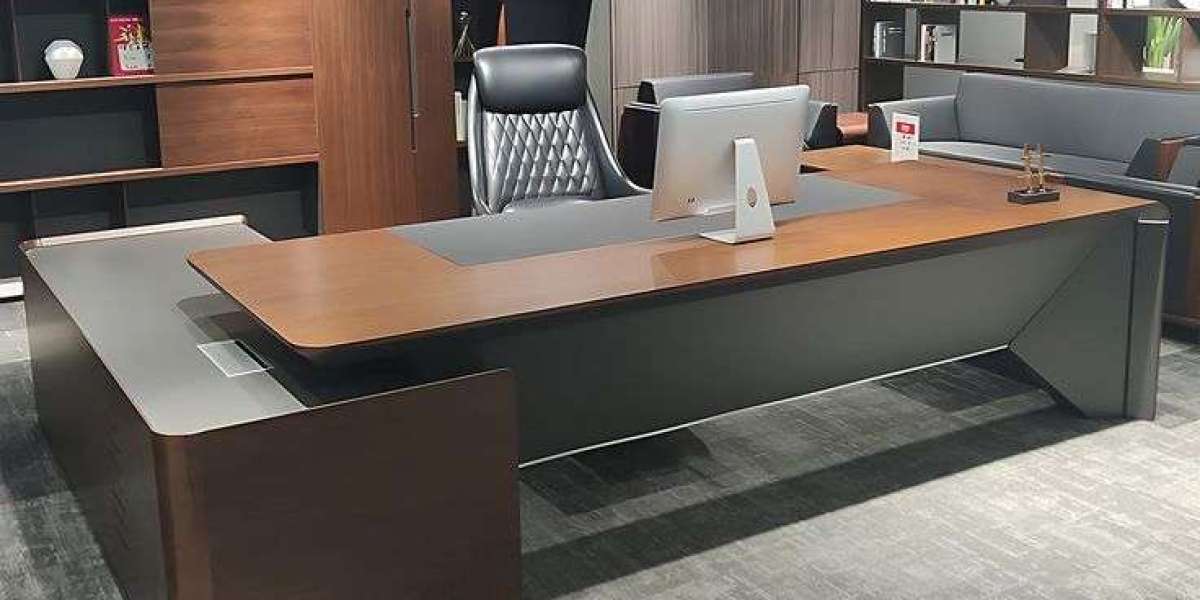

Why the Right Seating Matters in a Professional Office
A well-designed workplace should support employee comfort, efficient work habits, and a professional atmosphere. Furniture plays an important role in achieving these goals, especially when employees spend several hours working at desks, attending meetings, or handling administrative tasks. Choosing a suitable Office chair can help employees maintain a comfortable sitting position while creating a workspace that looks organized and welcoming. Businesses should consider more than appearance when selecting seating. Important factors include back support, seat height, material quality, adjustability, and compatibility with existing desks. A carefully selected chair can also help organizations make better use of their available space and maintain a consistent interior design. Whether you are setting up a small office, furnishing a corporate headquarters, or upgrading a home workspace, understanding the basics of office seating can make the purchasing process easier. By evaluating employee needs and workplace requirements before making a decision, businesses can choose furniture that offers practical value and supports everyday activities.
Understanding Ergonomic Seating for Everyday Work
Ergonomics focuses on designing workspaces and equipment around the needs of the people who use them. In an office environment, this means selecting furniture that allows employees to work comfortably without placing unnecessary strain on their bodies. A supportive chair should provide a suitable backrest, adjustable seat height, and enough space for the user to sit naturally. Lumbar support is particularly useful because it helps support the lower back's natural curve. Adjustable armrests can also help employees position their arms comfortably while typing or using a mouse. However, ergonomic features should be considered alongside the complete workstation setup. A suitable chair cannot compensate for a desk that is too high, a monitor positioned incorrectly, or a lack of movement throughout the day. Employees should have opportunities to stand, stretch, and change positions regularly. Businesses that combine appropriate furniture with sensible working habits can create a more comfortable environment for different tasks and working styles.
Exploring Seating Options for Different Office Departments
Different departments often require different types of seating because their responsibilities and working environments are not identical. Administrative employees may benefit from task chairs with adjustable settings that support computer work and document handling. Managers may prefer executive seating with a more substantial backrest and a design that complements their office furniture. Meeting rooms generally require chairs that provide reasonable comfort during discussions without taking up excessive space. Reception areas need seating that creates a welcoming impression for clients, suppliers, and other visitors. Training rooms may require lightweight chairs that can be rearranged quickly when the room serves different purposes. For shared workstations, adjustable models can accommodate employees with different body dimensions and preferences. Businesses should evaluate the frequency of use, available floor area, and specific responsibilities associated with each department. Instead of purchasing the same model for every location, selecting suitable designs for individual tasks can improve the functionality of the entire workplace.
Features That Make Office Seating More Practical
Before purchasing new furniture, buyers should identify the features that will make the greatest difference to everyday use. Adjustable seat height is an essential consideration because it helps employees position their feet comfortably while keeping their shoulders relaxed. A properly designed backrest should provide support without restricting natural movement. Seat depth also matters, as users need sufficient thigh support while retaining comfortable space behind their knees. Swivel functions and smooth-rolling wheels can make it easier to reach different parts of a workstation, provided the floor surface and surrounding space are suitable. Some models include adjustable tilt mechanisms that allow users to change their sitting position during the day. The chair's base and frame should also feel stable, with components appropriate for the expected workload. Buyers should review the manufacturer's weight capacity, product dimensions, adjustment range, and warranty information before placing an order. Testing a model in person, when possible, can help determine whether its features suit the intended users and daily activities.
Selecting Materials for Comfort and Easy Maintenance
Material selection affects the appearance, comfort, and maintenance requirements of office seating. Mesh is often considered for modern workplaces because it allows airflow through the backrest. This feature can be useful in warm environments where employees value ventilation. Fabric seating offers many colors and textures, making it easier to coordinate furniture with corporate branding and interior finishes. However, fabric surfaces may require more careful cleaning when exposed to dust, food, or accidental spills. Synthetic leather is another option for executive offices and reception areas because it creates a polished appearance and is generally easy to wipe clean when maintained according to product instructions. Natural leather may offer a distinctive finish, but its cost and care requirements should be considered before purchasing. Metal and plastic components also influence the chair's weight, stability, and overall durability. In the Philippines, office managers should consider room temperature, humidity, ventilation, and cleaning routines when comparing materials. The best choice is one that balances comfort, appearance, durability, and the practical needs of the workplace.
Planning Office Furniture Around Available Space
A comfortable chair should fit naturally into the office layout without blocking walkways or making workstations difficult to access. Before ordering furniture, measure the desk height, workstation width, and available space behind each seat. Employees need enough room to move their chairs, stand up safely, and reach frequently used equipment. In compact offices, streamlined designs can help preserve open floor space and make the environment feel less crowded. Larger offices may accommodate wider executive seating, provided the furniture does not interfere with circulation. The arrangement of desks should also allow employees to access storage cabinets, printers, meeting areas, and shared equipment conveniently. Businesses planning an office renovation should review their complete furniture requirements before purchasing individual items. Coordinating chairs with desks, filing cabinets, reception counters, and conference tables can create a consistent appearance while improving daily workflow. A well-planned layout also helps organizations identify how many workstations can fit comfortably within the available area.
Balancing Purchase Price With Long-Term Value
Furniture budgets should reflect both immediate requirements and the expected cost of ownership. A low-priced chair may appear attractive initially, but it may not offer the adjustments, construction quality, or warranty coverage needed for frequent use. At the same time, an expensive model is not necessarily the best option for every employee or department. Businesses should compare products according to their intended purpose, material quality, comfort features, and expected maintenance needs. For larger purchases, requesting quotations from multiple suppliers can help buyers understand available options and compare costs more accurately. Quotations should identify the product model, quantity, unit price, delivery charges, assembly costs, and warranty conditions. Companies should also ask about bulk-order availability and delivery schedules when furnishing several departments at once. Setting a clear budget for different seating categories helps prevent unnecessary spending while ensuring that essential requirements are not overlooked. A balanced purchasing decision focuses on dependable performance and suitability rather than price alone.
Maintaining Office Chairs to Extend Their Useful Life
Routine maintenance can help businesses keep their furniture clean, functional, and presentable. Dust and debris should be removed regularly, with cleaning methods selected according to the manufacturer's instructions. Fabric surfaces may require vacuuming or appropriate upholstery cleaning, while mesh and synthetic leather should be cleaned using suitable products. Employees should avoid placing excessive weight on armrests or leaning in ways that place unnecessary pressure on the chair's frame. Wheels and adjustment mechanisms should be inspected periodically to identify dirt buildup, loose components, or signs of wear. Any damaged parts should be repaired or replaced according to the manufacturer's recommendations. Businesses can establish simple inspection schedules for heavily used workstations and shared seating areas. Staff members should also be encouraged to report unstable bases, broken wheels, and faulty adjustment controls promptly. These measures can help identify problems before they become more serious and reduce avoidable furniture replacement costs. Proper maintenance is particularly useful for organizations that furnish multiple offices or operate busy customer-facing environments.
Choosing Office Furniture for Businesses in Manila
Companies in Manila and nearby business districts often need furniture that suits their available space, working arrangements, and professional image. A small startup may prioritize compact seating and flexible workstation arrangements, while a large corporation may require consistent furniture across multiple departments. Architects and interior designers may focus on matching furniture dimensions, materials, and finishes with the overall office concept. Procurement teams may place greater emphasis on quotations, order quantities, delivery schedules, and warranty conditions. Regardless of the business type, it is useful to prepare a list of requirements before contacting a supplier. Include the number of seats needed, preferred materials, essential adjustment features, estimated budget, and delivery location. Request detailed product specifications rather than relying entirely on photographs or general descriptions. If employees will use the furniture for extended periods, consider allowing them to test sample models before finalizing a large order. Careful preparation makes it easier to compare available options and select products that meet the practical needs of the organization.
Creating a Productive and Welcoming Workplace
An effective workplace combines comfortable furniture, thoughtful organization, and a layout that supports everyday tasks. Seating should complement desk dimensions, provide appropriate support, and allow employees to move comfortably throughout the day. Businesses should also consider the needs of visitors, managers, administrative teams, and employees who use shared workstations. When selecting an Office chair, buyers should compare adjustability, construction quality, materials, dimensions, and warranty coverage before making a final decision. Regular maintenance and proper workstation arrangements can further support comfort and help preserve furniture quality. It is also worth reviewing the office layout periodically as teams grow or work responsibilities change. These small planning steps can help organizations maintain a professional environment without making unnecessary purchases. For businesses seeking furniture solutions in the Philippines, careful research and a clear understanding of workplace priorities can make the entire process more efficient.
In conclusion, choosing suitable office seating requires a balance of comfort, functionality, durability, and cost. Businesses should evaluate the needs of their employees, measure available space, compare product specifications, and establish a realistic purchasing budget. They should also consider cleaning requirements and maintenance arrangements to protect their investment over time. Whether furnishing a new workspace or replacing outdated furniture, informed decisions can help create a professional setting that supports everyday productivity. Manila office furniture den is one brand businesses can consider when exploring office furniture options that align with their workplace requirements. By prioritizing practical features and thoughtful planning, organizations can build a comfortable, organized, and welcoming office environment.