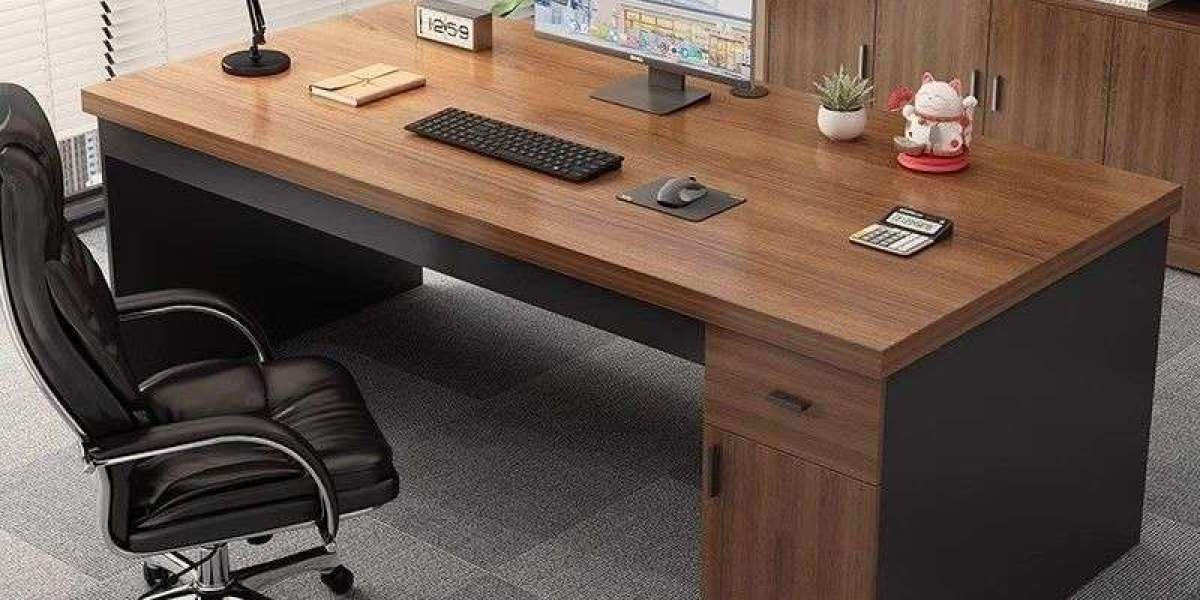

Creating a Workplace That Supports Business Growth
A successful workplace depends on more than skilled employees and effective management. The physical environment also influences how people work, communicate, and organize their daily responsibilities. Businesses need a workspace that offers comfort, supports productivity, and reflects their professional identity. From small offices to large corporate facilities, every organization benefits from thoughtful furniture selection. The right desks, chairs, cabinets, and meeting tables can help employees complete tasks efficiently while keeping essential items within easy reach. When planning a new workspace, business owners should consider employee requirements, available floor space, future expansion, and the company's budget. These factors help create an environment that remains practical as business operations change. Office furniture is an important investment because it affects daily comfort, workspace organization, and the overall appearance of a business. By selecting suitable furniture from the beginning, companies can reduce unnecessary expenses and establish a professional environment that meets the needs of employees, managers, clients, and visitors.
Selecting the Right Desks for Different Work Activities
Desks are among the most important pieces of furniture in any workplace because employees use them throughout the working day. However, not every desk is suitable for every role. Administrative employees may need spacious work surfaces for documents, computers, and office supplies, while managers may prefer executive desks with additional storage and a more formal appearance. Creative professionals often benefit from larger tables that accommodate multiple screens, design materials, or collaborative projects. Compact desks can be useful in smaller offices where floor space is limited. Before purchasing desks, measure the available area and determine how much working space each employee requires. Consider the placement of computers, monitors, keyboards, telephones, and other frequently used equipment. Cable management features can also help keep workstations organized and reduce visible clutter. Businesses should pay attention to desk height, legroom, surface durability, and storage options. A suitable desk should support the employee's daily responsibilities without making the workspace feel crowded. Choosing the right design for each department helps create a balanced office layout and improves the practical use of available space.
Improving Employee Comfort With Supportive Seating
Comfortable seating is essential for employees who spend long periods working at computers, attending meetings, or completing administrative tasks. An unsuitable chair can make it difficult to maintain a comfortable working position and may contribute to physical discomfort during extended periods of sitting. Businesses should therefore evaluate seating options according to their intended use. Ergonomic office chairs often include adjustable seat heights, backrests, armrests, and lumbar support features. These adjustments allow employees to find a position that better suits their body and workstation. Visitor chairs have different requirements because they should provide convenient seating without occupying too much room in reception areas or meeting rooms. Conference chairs should offer suitable support while allowing participants to sit comfortably during discussions. Materials also deserve attention. Breathable fabric may be appropriate for everyday seating, while easy-to-clean upholstery can be useful in shared environments. When comparing chairs, check their construction, stability, adjustment mechanisms, and warranty conditions. Encouraging employees to adjust their chairs correctly and take regular movement breaks can further support a healthier working routine.
Planning an Office Layout for Better Movement
An organized office layout helps employees move around comfortably and access the equipment they need. Poor furniture placement can create crowded walkways, restrict chair movement, and make shared areas difficult to use. Before arranging desks and cabinets, prepare a basic floor plan that identifies doors, windows, power outlets, emergency exits, and frequently used pathways. Place workstations where employees can access essential equipment without creating unnecessary obstacles. Departments that collaborate regularly may benefit from nearby seating arrangements, while employees who handle confidential information may need more separation. Meeting rooms should provide enough space for chairs to move and participants to enter or leave comfortably. Reception areas should remain welcoming and accessible to visitors. Businesses with limited floor space can consider compact desks, vertical shelving, mobile storage units, and modular workstations. These options help make better use of the available area without filling every corner with furniture. An effective layout should also allow for future changes, such as additional employees or new equipment. Planning ahead reduces the likelihood of expensive rearrangements and supports a more efficient working environment.
Choosing Materials That Match Everyday Office Demands
Furniture materials influence appearance, durability, maintenance, and overall cost. Businesses should understand these differences before deciding which products offer the best value for their requirements. Engineered wood is commonly used in desks and cabinets because it can provide a practical balance between appearance and affordability. Laminate finishes are useful for many work surfaces because they are generally easy to clean and available in different colors and textures. Metal frames can offer dependable structural support when properly designed and manufactured. Glass elements may suit selected meeting tables or reception furniture, although they require appropriate handling and regular cleaning. Upholstery materials also matter because frequently used chairs must withstand daily wear. When inspecting furniture, look beyond the surface finish and check the joints, edges, frame stability, hardware, and weight capacity. Ask suppliers about cleaning instructions, replacement parts, and product warranties. Businesses should also consider how the furniture will be used. A reception desk may have different durability requirements from a private office table, while a shared workstation may need to withstand more frequent use. Selecting materials according to their purpose helps businesses avoid unnecessary repairs and replacements.
Office furniture for Flexible and Collaborative Workplaces
Modern businesses increasingly need spaces that accommodate individual tasks, team discussions, and changing work arrangements. This makes flexibility an important consideration when selecting Office furniture for a growing organization. Modular desks, movable tables, and adaptable storage systems allow businesses to reorganize their work areas without replacing every item. Shared workstations can support employees who work in the office on different days, while collaborative tables provide a convenient place for brainstorming and group projects. Mobile pedestals can be moved when necessary, making them useful for teams with changing seating arrangements. Adjustable desks may also provide employees with more options for organizing their working positions. However, flexibility should not come at the expense of comfort or stability. Each workstation still needs adequate space, suitable seating, and convenient access to power and equipment. Businesses should assess their actual working patterns before investing in specialized products. For example, a company with frequent team meetings may benefit more from flexible meeting tables than from adding individual desks. By selecting adaptable products that address real operational needs, organizations can make future workspace changes simpler and more cost-effective.
Storage Solutions That Keep Offices Organized
Storage plays an important role in maintaining an orderly and professional workplace. Without suitable storage, documents, stationery, electronic accessories, and other supplies can accumulate on desks and reduce the space available for important tasks. Filing cabinets are useful for organizing paper records, while cupboards and shelves can hold office supplies, reference materials, and equipment. Lockable storage units may be appropriate for confidential documents or valuable items, depending on the organization's security requirements. Mobile pedestals provide convenient access to frequently used materials without requiring large cabinets beside every desk. Businesses that manage substantial paperwork should consider the volume, accessibility, and security of their records before choosing a storage system. Digital workplaces may require less paper storage but still need designated spaces for devices, cables, and shared equipment. Labels and consistent filing practices can make storage systems easier to use. It is also helpful to review stored materials periodically and remove items that are no longer required, following the organization's record-retention policies. Combining suitable storage furniture with clear organizational procedures helps employees find essential materials quickly and maintain cleaner work surfaces.
Balancing Furniture Quality With Business Budgets
Budget planning helps businesses purchase the furniture they need without placing unnecessary pressure on their finances. The lowest-priced option is not always the most economical choice, particularly when a product requires frequent repairs or replacement. Instead, compare the initial price with expected durability, warranty coverage, maintenance requirements, and suitability for daily use. Begin by preparing a list of essential furniture for each department. Include desks, chairs, storage units, meeting tables, and reception seating where required. Measure each area and estimate the number of items needed before requesting quotations from suppliers. Remember to include delivery, installation, and any additional service charges in the overall budget. Businesses can prioritize essential workstations first and purchase decorative items later if funds are limited. Buying multiple items from one supplier may simplify coordination, although it is still important to compare product quality and prices. Request written quotations with clear specifications so that different offers can be evaluated fairly. A structured purchasing process allows companies to make informed decisions, avoid unnecessary spending, and create a functional office within their available resources.
Designing a Professional Reception and Meeting Area
Reception areas and meeting rooms are important parts of a business because they often shape visitors' first impressions. A clean reception desk, comfortable visitor seating, and organized surroundings can make clients feel welcome. The furniture should match the size of the area while leaving enough room for people to enter, wait, and move around. Reception counters should provide a practical working surface for staff and space for essential equipment. Visitor chairs should be comfortable, stable, and easy to maintain. Meeting rooms require a different combination of furniture. The table should accommodate the usual number of participants, while chairs should provide suitable support during discussions. Businesses that conduct presentations may need space for screens, laptops, cables, and other equipment. Smaller offices can use multipurpose tables that support both meetings and collaborative work. Coordinating furniture finishes with the company's existing interior can create a consistent professional appearance. However, the layout should always prioritize accessibility and usability over decoration. A well-planned reception or meeting area supports communication, improves visitor comfort, and helps the workplace reflect the company's standards.
Maintaining Furniture and Extending Its Useful Life
Regular care helps businesses protect their furniture investment and maintain a presentable working environment. Dust and clean surfaces according to the manufacturer's instructions, and use appropriate cleaning products for wood, laminate, metal, glass, and upholstery. Avoid excessive moisture on materials that may be damaged by water. Employees should report loose screws, damaged edges, unstable chairs, and broken components as soon as possible. Prompt repairs can prevent minor problems from becoming more expensive or creating safety concerns. Furniture should also be moved carefully to avoid damaging floors, wheels, and structural joints. Businesses can establish a simple inspection schedule for workstations, meeting rooms, reception areas, and storage units. Frequently used chairs and shared desks may need more regular checks than furniture in less active areas. When equipment or furniture is no longer suitable, consider whether it can be repaired, repurposed, donated, or responsibly recycled. Maintenance records can help managers identify recurring problems and determine when replacement is necessary. These practices support a cleaner office, improve furniture longevity, and help businesses manage their resources more effectively.
Making Informed Furniture Choices for Long-Term Success
Selecting furniture requires a clear understanding of how employees work, how the office is organized, and what the business expects to achieve in the future. Companies should evaluate comfort, durability, design, storage capacity, flexibility, and affordability together rather than focusing on a single feature. A well-planned workspace can support better organization, provide suitable areas for collaboration, and create a professional environment for employees and visitors. Businesses should also review their furniture requirements as teams grow, technology changes, and working arrangements evolve. Investing in practical products that match actual needs can help reduce unnecessary expenses and make everyday tasks easier. For businesses exploring workspace ideas and furniture options, Queens arts and trends can be included in the process of researching suitable choices for a functional and attractive office. Ultimately, successful furniture planning is about creating a workplace that supports people, accommodates business activities, and remains useful over time.